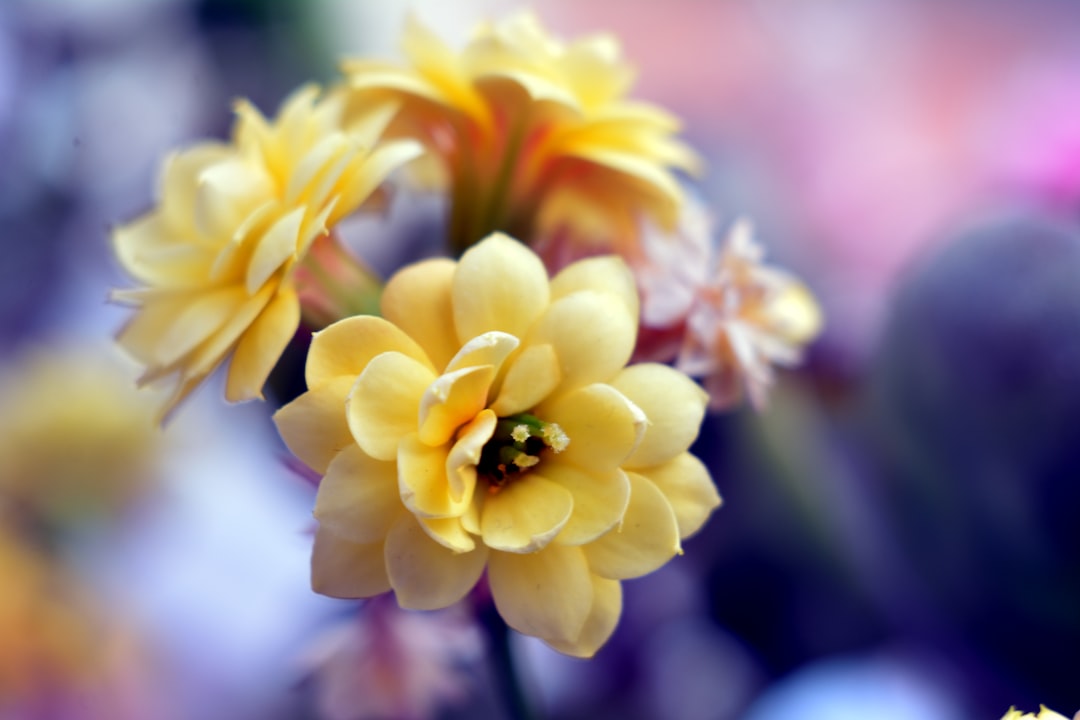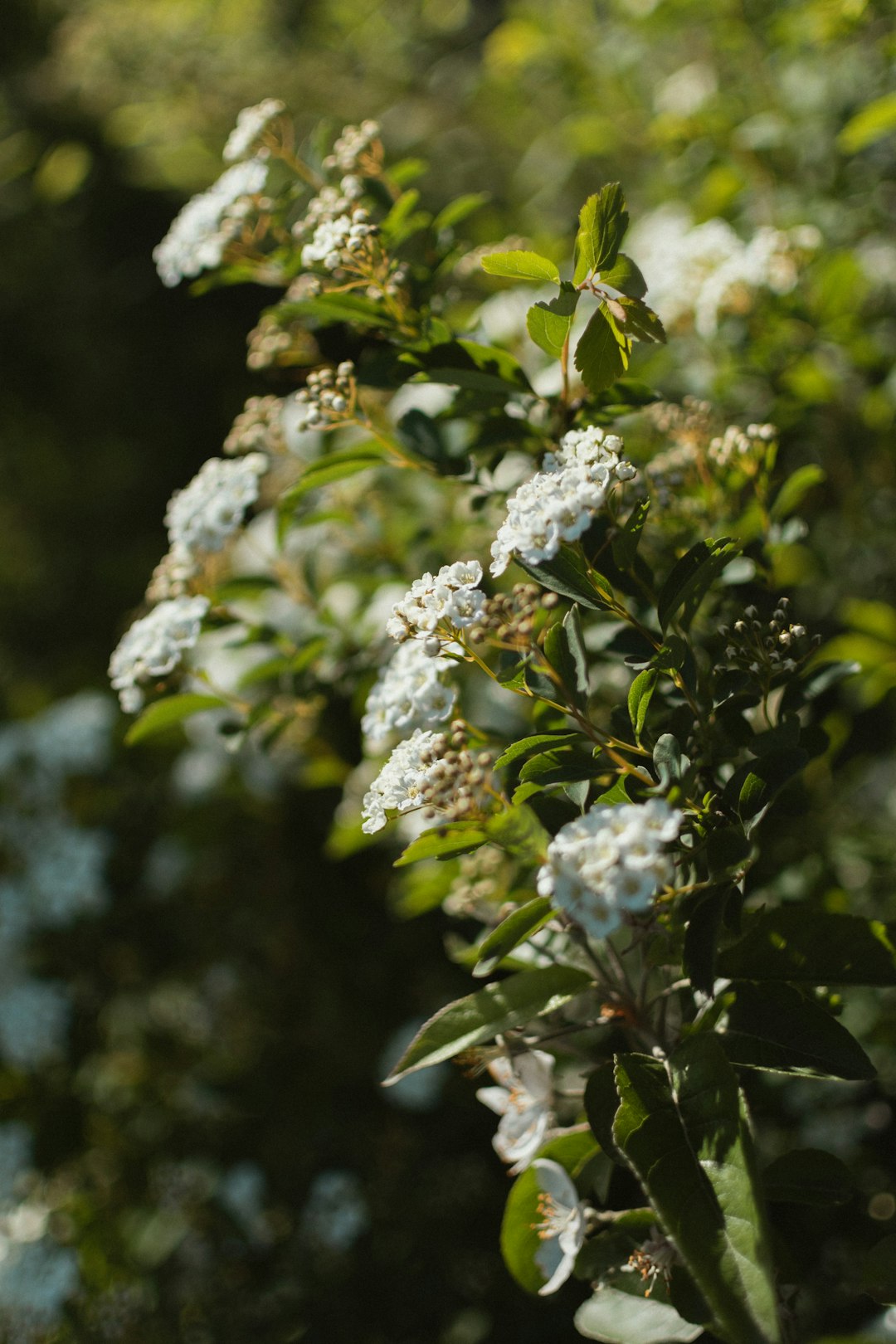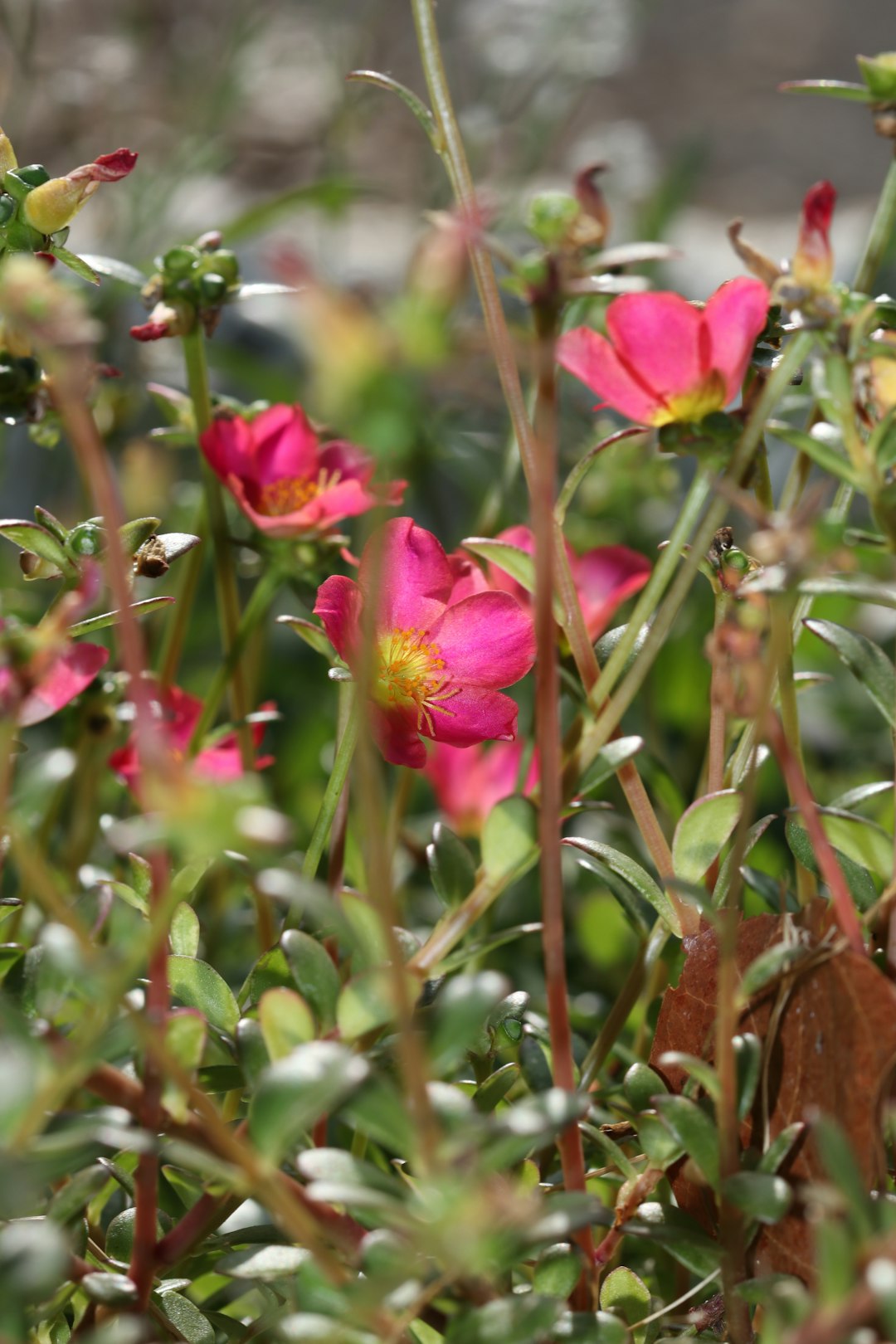
The Australian tea tree, a remarkable white - flowering shrub, is a true gem in the world of gardening. Its ability to tolerate drought and salt spray makes it an ideal choice for a variety of landscapes, from coastal gardens to arid regions. In this article, we will explore the essential tips for growing this unique plant.
Understanding the Australian Tea Tree
The Australian tea tree, scientifically known as Leptospermum scoparium, is native to Australia and New Zealand. It belongs to the Myrtaceae family and can grow up to 6 - 10 feet tall, with a spread of about 5 - 8 feet. The plant is characterized by its small, needle - like leaves and delicate white or pinkish flowers that bloom in spring and summer.
Climate and Location
One of the key advantages of the Australian tea tree is its adaptability to different climates. It thrives in full sun but can also tolerate partial shade. When it comes to temperature, it is relatively hardy and can withstand light frosts. However, in areas with severe winters, it is advisable to provide some protection.
For coastal gardens, the Australian tea tree is a perfect fit due to its salt - spray tolerance. It can be planted near the ocean without being affected by the salt in the air. In inland areas, it can also grow well as long as it is provided with well - drained soil.
Soil Requirements
The Australian tea tree prefers well - drained, acidic to slightly acidic soil. A soil pH between 5.5 and 6.5 is ideal. If your soil is heavy clay or alkaline, you can amend it by adding organic matter such as peat moss, compost, or pine bark. This will improve the soil structure and lower the pH level.
When planting, make sure to dig a hole that is twice as wide and just as deep as the root ball. This will give the roots enough space to spread out and establish themselves.
Watering
Once established, the Australian tea tree is drought - tolerant. However, during the first year after planting, it is important to keep the soil evenly moist. Water deeply but infrequently to encourage the roots to grow deeper into the soil. As the plant matures, you can reduce the frequency of watering, but make sure to provide a good soak during dry spells.
Fertilization
Fertilizing the Australian tea tree can help it grow healthy and strong. Use a slow - release, balanced fertilizer formulated for acid - loving plants. Apply the fertilizer in early spring, following the manufacturer's instructions. Avoid over - fertilizing, as this can lead to excessive growth and make the plant more susceptible to pests and diseases.
Pruning
Pruning is an important part of maintaining the shape and health of the Australian tea tree. It is best to prune the plant after it has finished flowering. Remove any dead, damaged, or diseased branches. You can also shape the plant by selectively pruning back the branches to encourage bushier growth.
When pruning, use sharp, clean pruning shears to make clean cuts. This will minimize the risk of infection and promote faster healing.
Pest and Disease Control
The Australian tea tree is generally resistant to pests and diseases. However, it can be susceptible to aphids, scale insects, and root rot in certain conditions. To prevent pest infestations, keep the plant healthy by providing proper care. If you notice any pests, you can use an insecticidal soap or neem oil to control them.
For root rot, make sure the soil is well - drained and avoid over - watering. If the plant shows signs of root rot, such as yellowing leaves and wilting, you may need to dig up the plant, remove the affected roots, and replant it in fresh, well - drained soil.
Propagation
There are several ways to propagate the Australian tea tree. One common method is by taking semi - hardwood cuttings in late summer or early fall. Select a healthy branch and cut a 4 - 6 inch section just below a node. Remove the lower leaves and dip the cut end in rooting hormone. Plant the cutting in a well - drained potting mix and keep it moist until roots develop.
Another method is by seed. Collect the seeds from the plant after the flowers have faded and the seed capsules have dried. Sow the seeds in a seed - starting mix and keep them in a warm, bright location. Germination can take several weeks to months.
In conclusion, growing the Australian tea tree can be a rewarding experience. With its beautiful flowers, drought and salt - spray tolerance, and relatively low maintenance requirements, it is a great addition to any garden. By following these essential tips, you can ensure that your Australian tea tree thrives and adds beauty to your landscape for years to come.
New