Quaking aspens, those remarkable trees, hold a special place in the world of gardening. They are not just ordinary trees; they are a living spectacle that can transform any garden landscape. These trees are known for their striking appearance and numerous benefits, making them an excellent choice for various gardening purposes.
One of the most notable features of quaking aspens is their ability to serve as fast - growing windbreaks. In areas where strong winds can cause damage to other plants or structures, these trees can act as a natural barrier. Their rapid growth rate, almost 5 feet per year, allows them to quickly establish a protective shield. This is particularly useful in open gardens or agricultural areas where wind erosion can be a problem. The dense foliage of quaking aspens helps to slow down the wind, reducing its force and protecting the surrounding environment.
As screens, quaking aspens are equally impressive. Whether you want to create a private area within your garden or block an unsightly view, these trees can do the job effectively. Their tall and slender trunks, along with their abundant leaves, form a natural screen that provides both privacy and aesthetic appeal. You can plant them in a row to create a living wall that separates different sections of your garden or to hide a storage area or a neighbor's less - than - attractive property.
Mass plantings of quaking aspens are a sight to behold. When planted in large numbers, they create a breathtaking display. The collective movement of their leaves in the wind gives the impression of a shimmering sea. This visual effect is not only beautiful but also adds a sense of tranquility to the garden. Mass plantings can be used to create a focal point in a large garden or to enhance the overall beauty of a park or a public space.
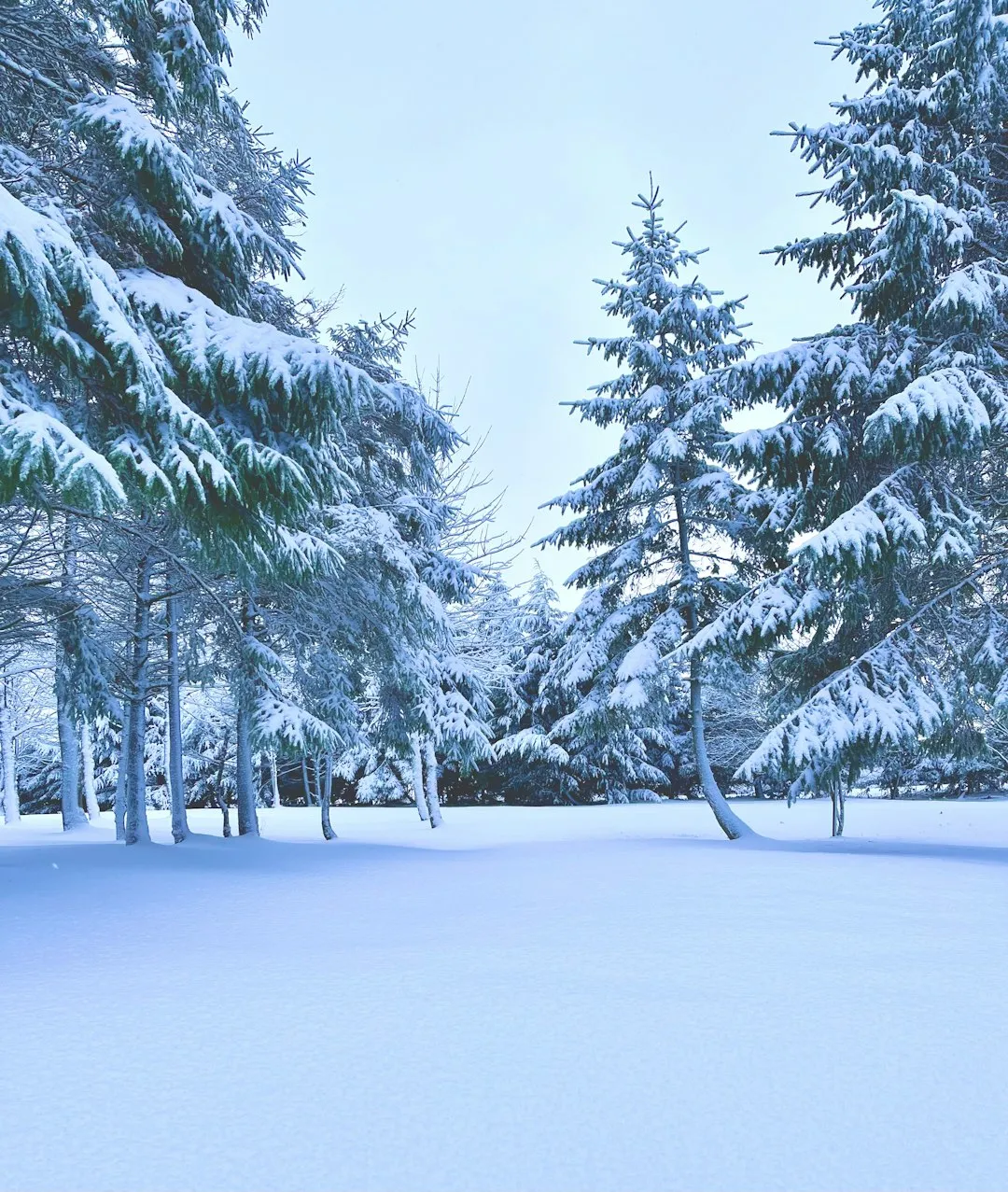
Another advantage of quaking aspens is their cold - hardiness. These trees can withstand harsh winter conditions, making them suitable for gardens in colder climates. They are able to adapt to low temperatures and still thrive, providing year - round beauty. Even in the coldest months, their bare branches add an interesting architectural element to the garden landscape.
When it comes to caring for quaking aspens, they are relatively low - maintenance. They prefer well - drained soil and plenty of sunlight, but they can tolerate a range of soil types. Regular watering during the first few years of growth is important to help them establish a strong root system. Once established, they are more drought - tolerant. Pruning can be done to shape the trees and remove any dead or damaged branches, but it should be done carefully to avoid over - pruning.
In conclusion, quaking aspens are a valuable addition to any garden. Their fast growth, ability to serve as windbreaks and screens, stunning appearance in mass plantings, and cold - hardiness make them a versatile and attractive choice. Whether you are a professional gardener or a hobbyist, these trees can bring a touch of nature's beauty to your outdoor space.
New