When it comes to gardening, the allure of adding trees to your landscape is undeniable. Trees provide shade, enhance the aesthetic appeal of your property, and contribute to the overall ecological balance. However, not all trees are created equal. Some trees can bring a host of problems, from invasiveness to excessive mess and high maintenance requirements. In this article, we'll explore the worst trees to plant and suggest better alternatives that will thrive in your garden.
One of the most common issues with certain trees is their invasiveness. Invasive trees have a tendency to spread rapidly, outcompeting native plants and disrupting the local ecosystem. For example, the Ailanthus altissima, commonly known as the Tree of Heaven, is a highly invasive species. It grows quickly, producing large numbers of seeds that can spread far and wide. Once established, it can be extremely difficult to eradicate, as it has a deep and extensive root system. The Tree of Heaven also releases chemicals into the soil that can inhibit the growth of other plants, further exacerbating its invasive nature.
Another problem with some trees is their messiness. Trees that shed large amounts of leaves, fruits, or flowers can create a significant cleanup burden. The Liquidambar styraciflua, or Sweetgum tree, is notorious for its spiky fruits, which can be a hazard to walk on and are difficult to clean up. In the fall, the Sweetgum tree also drops a large number of leaves, which can quickly cover your lawn and garden beds. Similarly, the Platanus occidentalis, or American Sycamore, sheds its bark in large, papery strips, which can accumulate on the ground and become a nuisance.
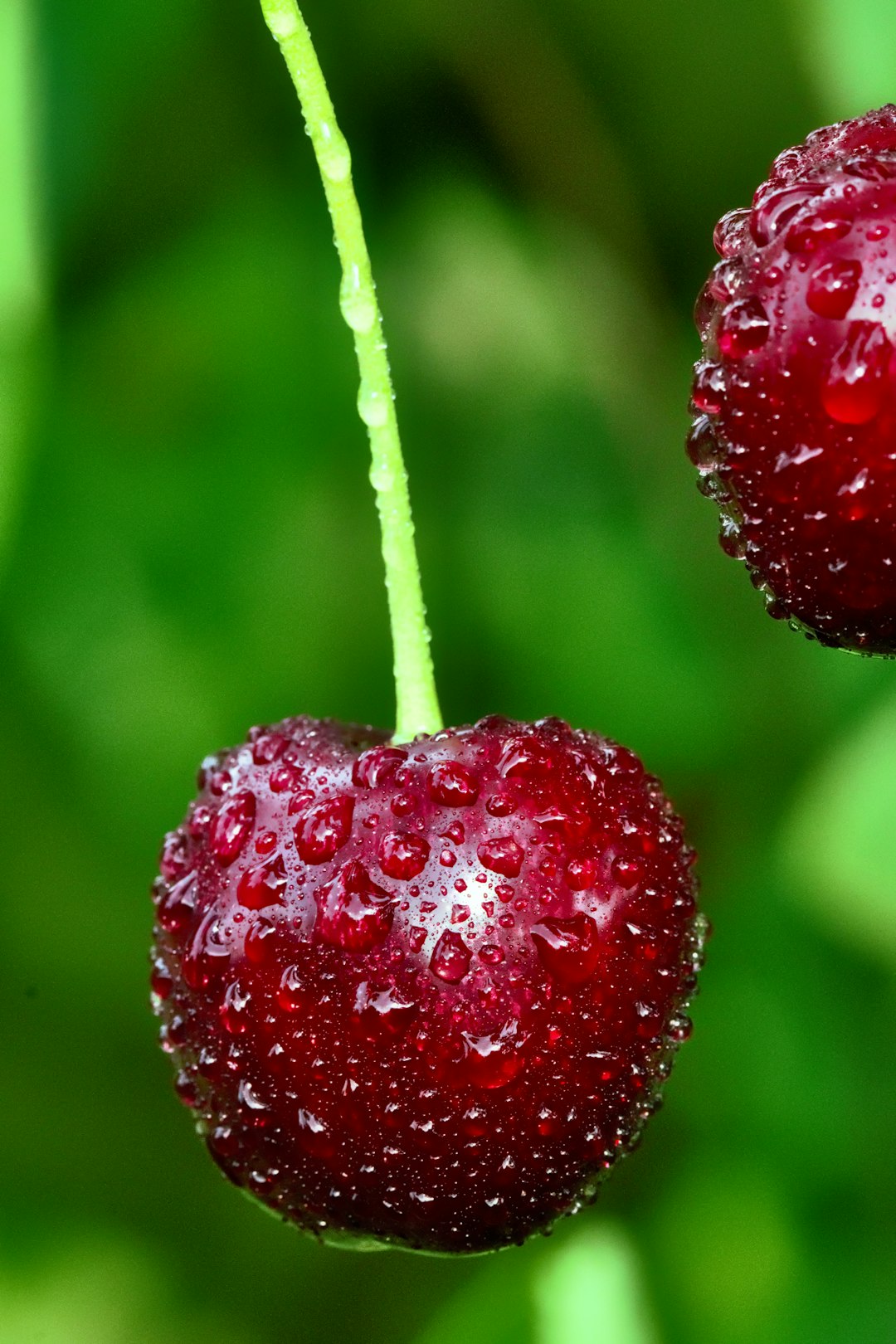
High maintenance is yet another drawback of certain trees. Some trees require frequent pruning, fertilizing, and pest control to stay healthy and looking their best. The Prunus serotina, or Black Cherry tree, is prone to a variety of diseases and pests, including cherry leaf spot and borers. To keep a Black Cherry tree healthy, you'll need to regularly inspect it for signs of damage and treat it with appropriate pesticides and fungicides. Additionally, the Black Cherry tree has a tendency to produce suckers, which need to be removed regularly to prevent the tree from becoming overgrown.
So, what are some better alternatives to these problematic trees? For a shade tree that is non - invasive and relatively low - maintenance, consider the Quercus bicolor, or Swamp White Oak. This tree is native to North America and is well - adapted to a variety of soil conditions. It has a beautiful, rounded crown and provides ample shade in the summer. The Swamp White Oak is also resistant to many common tree diseases and pests, making it a great choice for a long - term addition to your landscape.
If you're looking for a tree with attractive flowers, the Cercis canadensis, or Eastern Redbud, is an excellent option. This small to medium - sized tree produces clusters of bright pink or purple flowers in the spring, before its leaves emerge. The Eastern Redbud is relatively easy to care for and is not invasive. It can thrive in partial shade to full sun and is suitable for a variety of garden settings.
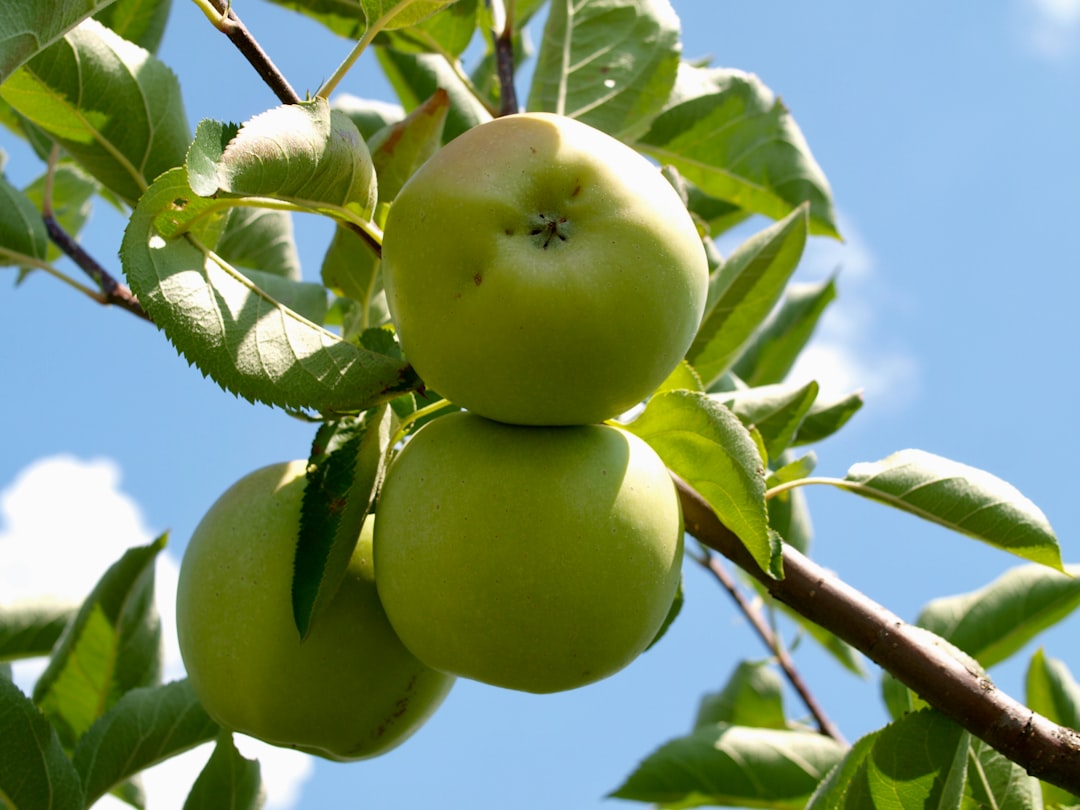
For a tree that offers both beauty and functionality, the Malus species, or crabapple trees, are a great choice. Crabapple trees come in a wide range of sizes and colors, with some varieties producing colorful fruits that can attract birds to your garden. They are also relatively disease - resistant and require minimal pruning. Crabapple trees can add a splash of color to your landscape in both the spring, when they bloom, and in the fall, when their fruits ripen.
In conclusion, choosing the right trees for your landscape is crucial. By avoiding invasive, messy, and high - maintenance trees and opting for better alternatives, you can create a beautiful and sustainable garden that will bring you joy for years to come. Whether you're looking for shade, flowers, or wildlife attraction, there are plenty of tree options available that will meet your needs without causing unnecessary problems.
New