In the world of gardening, shrubs play a vital role in creating a diverse and visually appealing landscape. Among them, those shrubs that bear boldly colored berries are like hidden gems, especially during the autumn season. These shrubs not only add a splash of vibrant color to your garden but also serve as a crucial food source for birds during the fall and winter months.
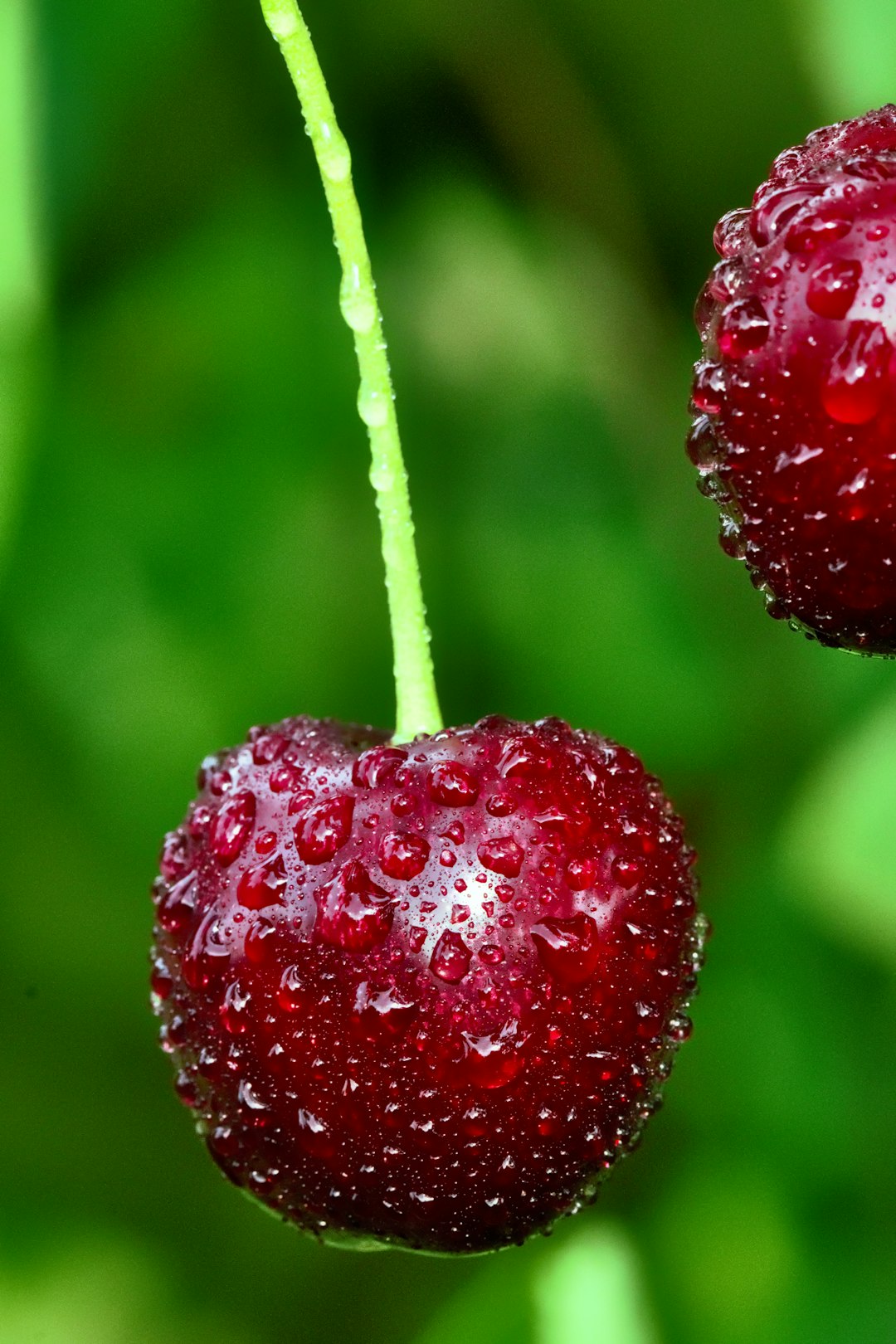
One of the most remarkable aspects of these berry - bearing shrubs is their ability to transform the autumn scenery. As the leaves on many trees start to turn and fall, these shrubs stand out with their clusters of bright berries. The colors range from deep reds, which are reminiscent of a warm autumn sunset, to vivid oranges and purples that pop against the backdrop of the changing foliage. For example, the winterberry holly (Ilex verticillata) is a native North American shrub that loses its leaves in the fall but is left with an abundance of bright red berries. These berries are so eye - catching that they can be seen from a distance, making the winterberry a focal point in any garden.
Another great example is the beautyberry (Callicarpa). This shrub produces clusters of purple berries that line the stems in a unique and attractive way. The purple color is quite rare in the natural world, especially during the fall, so the beautyberry adds a touch of exoticism to the garden. When the sun shines through the berries, they seem to glow, creating a magical effect.
Beyond their aesthetic appeal, these shrubs are essential for wildlife, particularly birds. As the temperatures drop and food becomes scarce, the berries on these shrubs become a lifeline for many bird species. Birds such as robins, cedar waxwings, and bluebirds rely on these berries for energy and nutrition. The high - calorie content of the berries helps the birds to survive the cold winter months. In addition, the act of birds eating the berries also aids in the dispersal of the shrub's seeds. When the birds fly away and excrete the seeds, it allows the shrubs to spread and grow in new areas.
When it comes to planting these berry - bearing shrubs in your garden, there are a few things to keep in mind. First, consider the soil conditions. Most of these shrubs prefer well - drained soil, but some, like the winterberry holly, can tolerate wetter soil. It's also important to choose a location that gets the right amount of sunlight. Some shrubs, such as the beautyberry, can tolerate partial shade, while others, like the barberry, need full sun to produce an abundance of berries.
Pruning is another important aspect of maintaining these shrubs. Pruning should be done at the right time to ensure healthy growth and maximum berry production. For example, winterberry holly should be pruned in late winter or early spring before new growth begins. This helps to shape the shrub and remove any dead or diseased branches.
Moreover, it's beneficial to plant a variety of these berry - bearing shrubs in your garden. Different shrubs produce berries at different times, which means that there will be a continuous supply of food for the birds throughout the fall and winter. For instance, the chokeberry (Aronia) produces berries in early fall, while the juniper (Juniperus) berries are available later in the season.
In conclusion, shrubs with boldly colored berries are a wonderful addition to any garden. They offer both aesthetic beauty and ecological benefits. By carefully selecting and caring for these shrubs, you can create an autumn landscape that is not only visually stunning but also a haven for wildlife. So, the next time you plan your garden, don't forget to include these amazing berry - bearing shrubs and enjoy the beauty and the positive impact they bring.
New