When it comes to creating a visually stunning and well - structured garden, boxwood is a plant that stands out as a timeless choice. This low - maintenance evergreen shrub has been a staple in gardens for centuries, adding an air of elegance and sophistication to any landscape.
Boxwood, scientifically known as Buxus, belongs to the Buxaceae family. It is native to various regions around the world, including Europe, Asia, and Africa. One of the most remarkable features of boxwood is its ability to retain its green foliage throughout the year. Unlike many other plants that shed their leaves in the fall, boxwood remains vibrant and lush, providing a constant source of color and life in the garden, even during the coldest months.
One of the key advantages of boxwood is its low - maintenance nature. It is relatively easy to care for, making it an ideal choice for both novice and experienced gardeners. Boxwood thrives in well - drained soil and prefers partial to full sun, although it can also tolerate some shade. Regular watering is essential, especially during the hot summer months, but over - watering should be avoided as it can lead to root rot. Pruning is another important aspect of boxwood care. It can be shaped into various forms, such as spheres, cubes, or hedges, with regular pruning. This not only helps to maintain its shape but also encourages new growth and keeps the plant healthy.
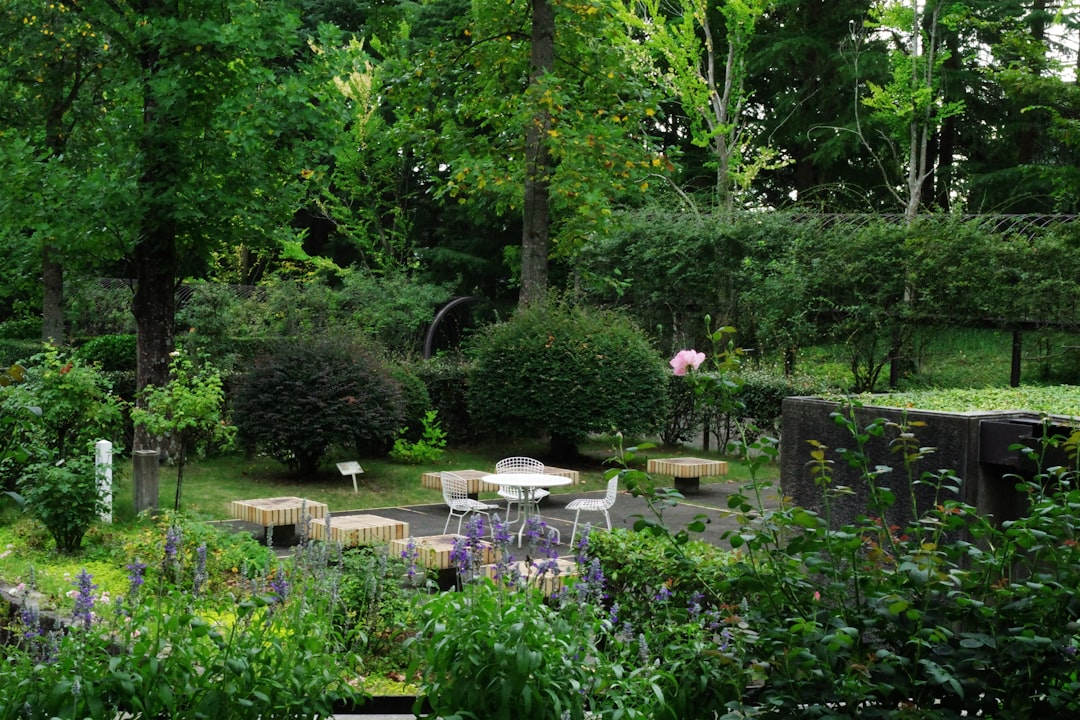
In terms of its aesthetic appeal, boxwood offers a unique sculptural element to the garden. Its dense foliage and slow - growing nature make it perfect for creating formal gardens. For example, in a classic French or English garden, boxwood hedges are often used to define pathways, create geometric patterns, and frame flower beds. The neatly trimmed hedges add a sense of order and symmetry to the landscape, giving it a refined and polished look. Boxwood can also be used as a standalone specimen plant. When planted in a large container, it can serve as a focal point on a patio or balcony, adding a touch of elegance to outdoor living spaces.
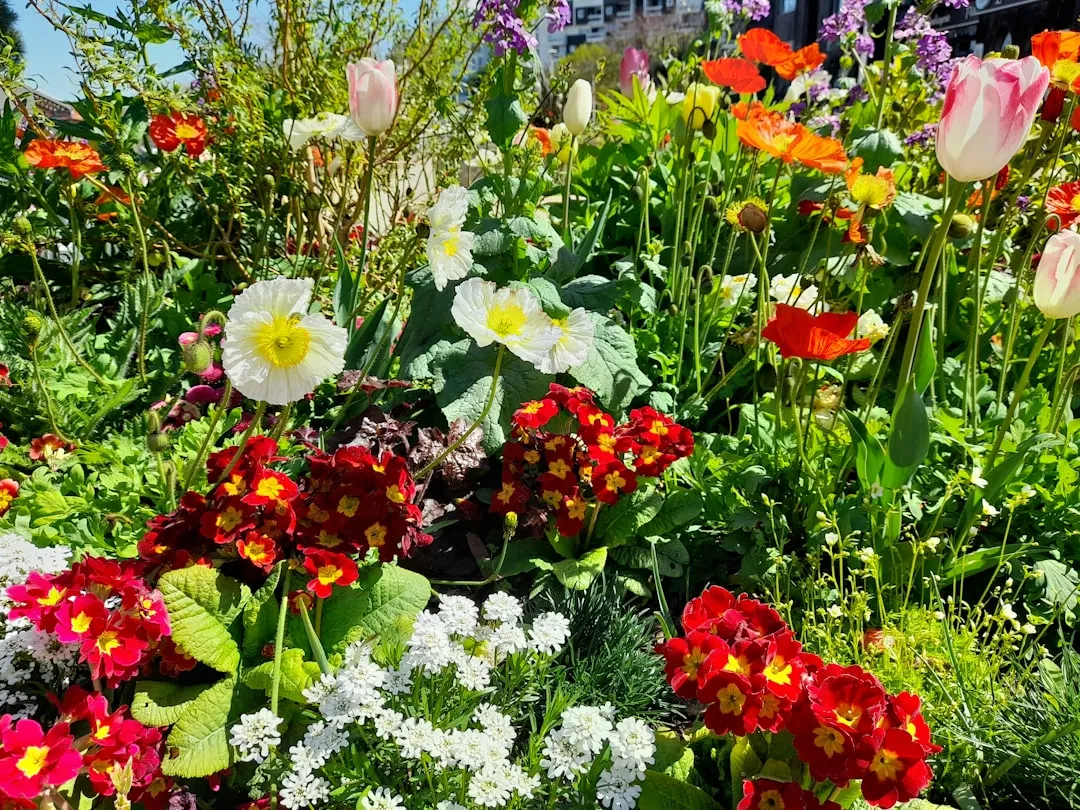
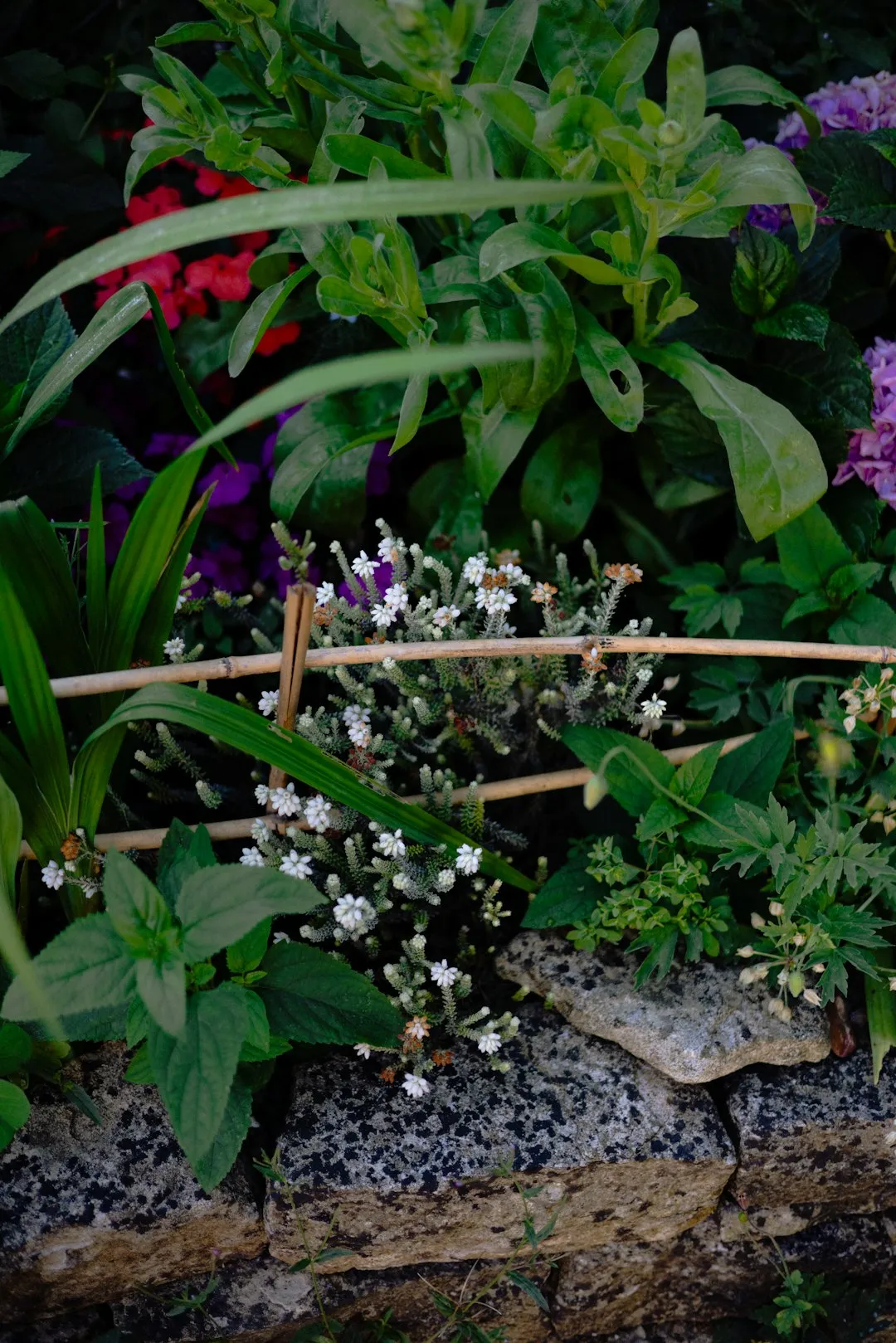
Boxwood is also a great companion plant. It can be paired with a variety of other plants to create interesting combinations. For instance, it looks beautiful when planted alongside colorful annuals or perennials. The green foliage of the boxwood provides a neutral backdrop that allows the bright colors of the flowers to stand out. In addition, boxwood can be used to create a contrast in texture. When combined with plants that have large, broad leaves or delicate, feathery foliage, it adds depth and visual interest to the garden.
Another benefit of boxwood is its versatility. It can be grown in a wide range of climates, from temperate to subtropical regions. However, it is important to note that some varieties of boxwood are more cold - hardy than others. When choosing a boxwood for your garden, it is essential to select a variety that is suitable for your local climate. This will ensure that the plant thrives and remains healthy for years to come.
Boxwood is also relatively pest and disease - resistant. While it can be susceptible to certain pests, such as boxwood leafminers and boxwood mites, proper care and maintenance can help prevent infestations. Regular inspections of the plant and the use of appropriate pesticides or natural remedies can keep these pests at bay. In terms of diseases, boxwood blight is a serious concern. This fungal disease can cause defoliation and dieback of the plant. To prevent boxwood blight, it is important to practice good sanitation in the garden, such as removing fallen leaves and debris, and avoiding overhead watering.
In conclusion, boxwood is a remarkable plant that offers numerous benefits for gardeners. Its low - maintenance nature, evergreen foliage, sculptural appeal, and versatility make it an excellent choice for any garden. Whether you are looking to create a formal garden, add a focal point to your outdoor space, or simply enhance the beauty of your landscape, boxwood is a plant that should not be overlooked.
New