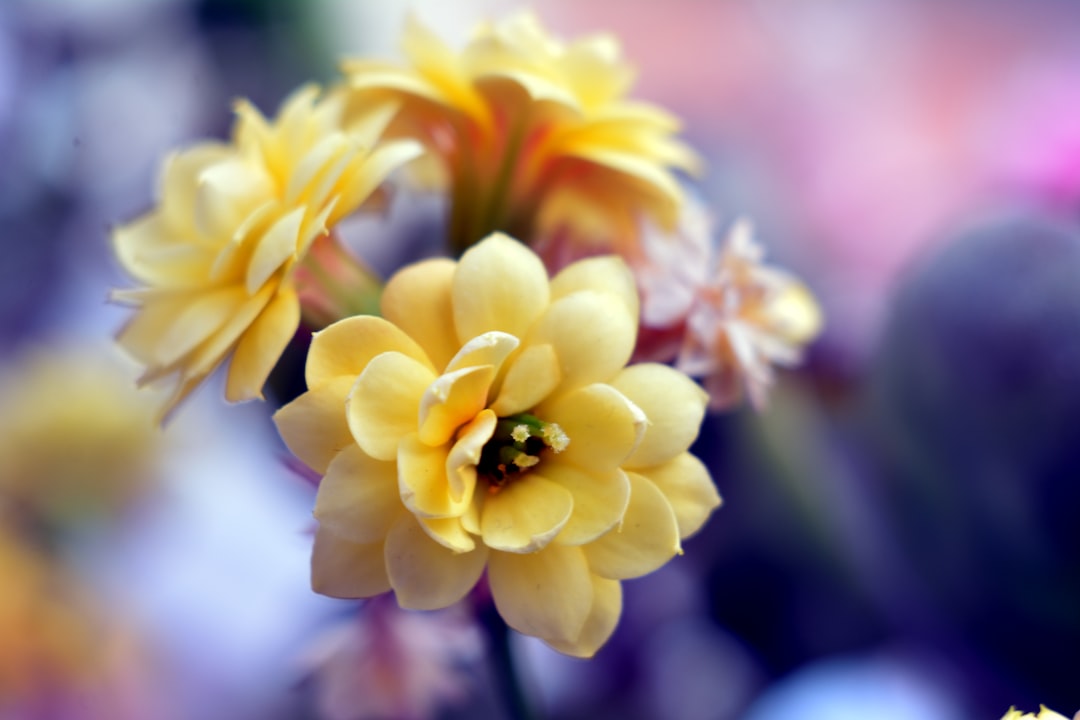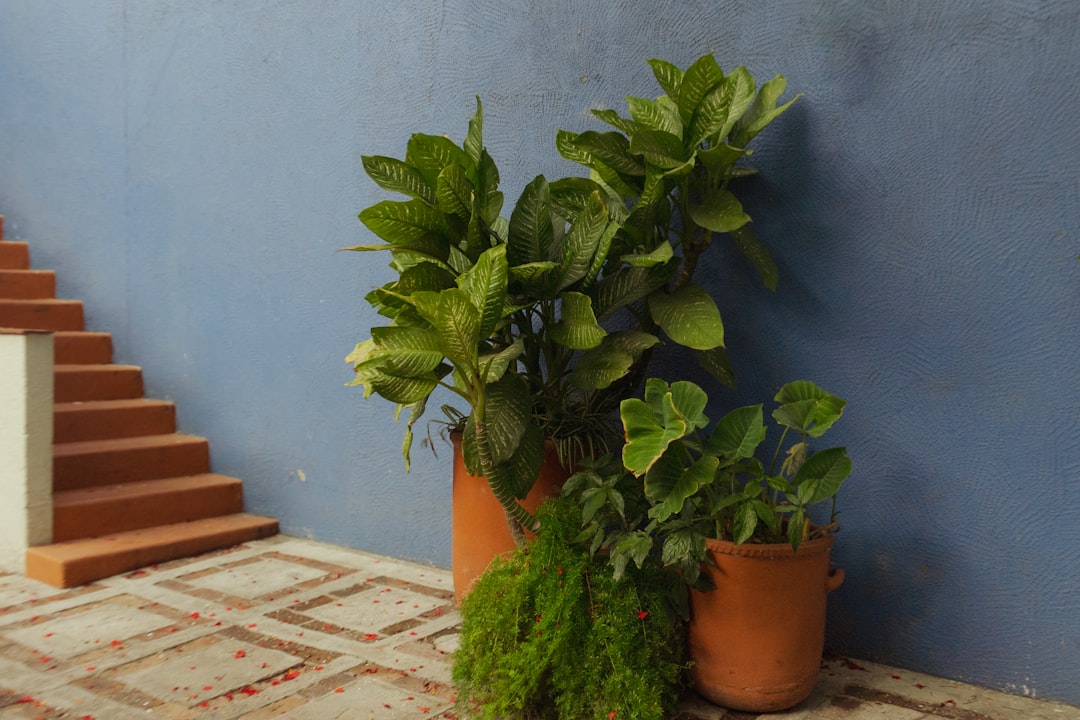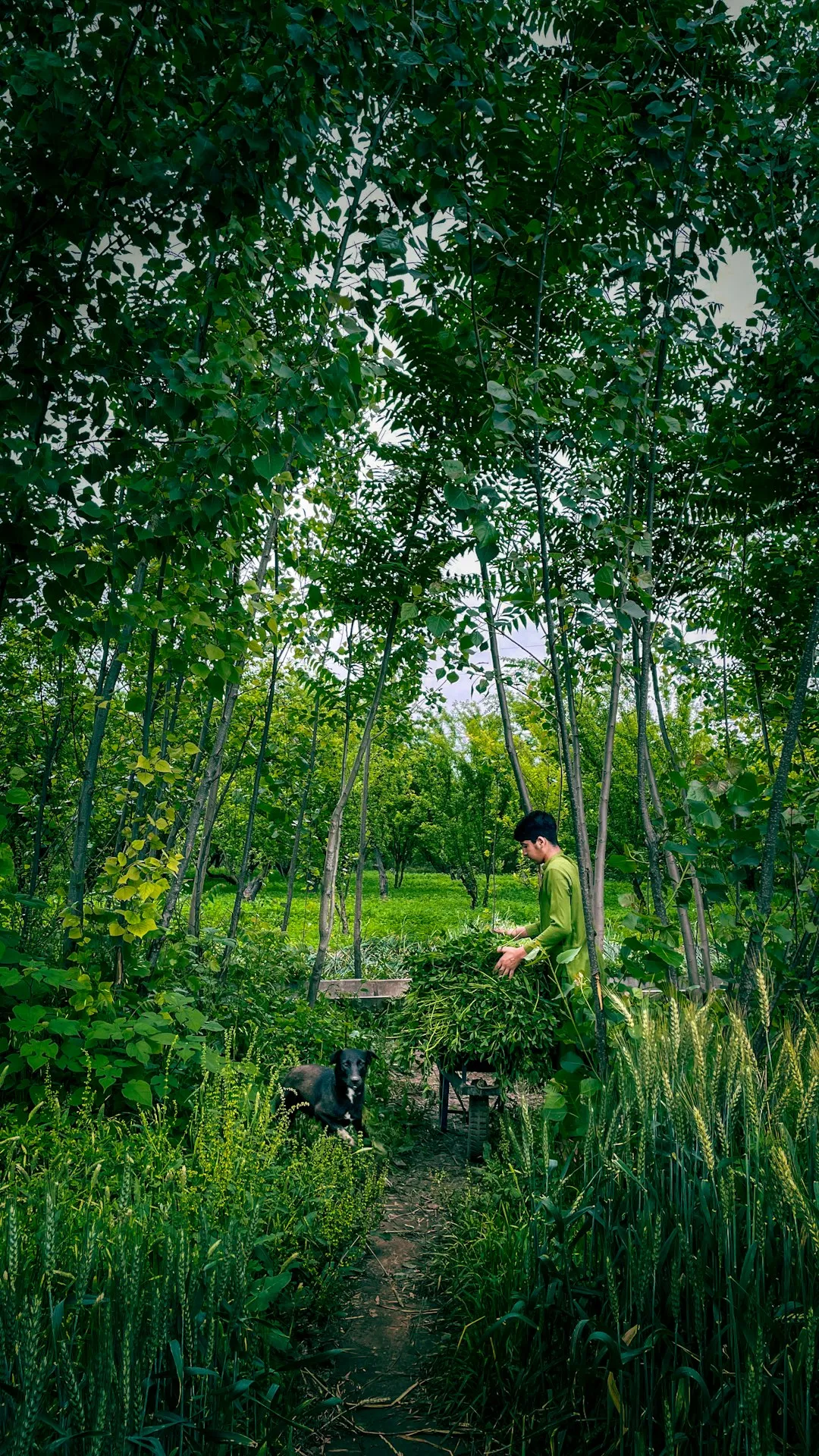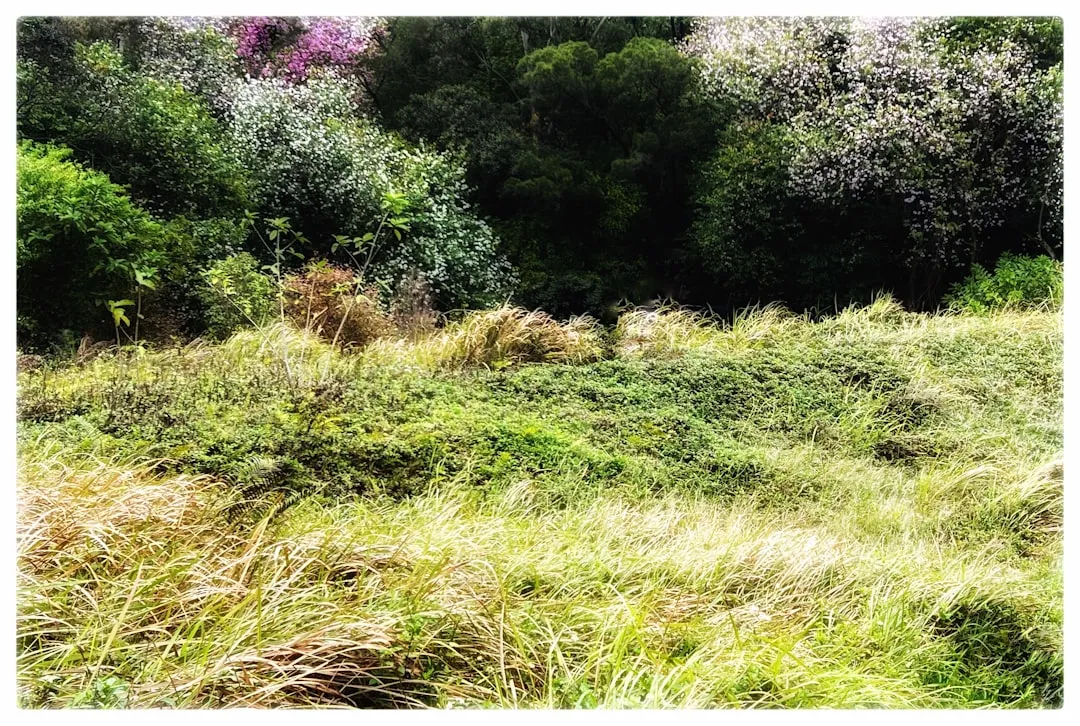
Landscaping is an art form that allows us to create beautiful and functional outdoor spaces. When it comes to landscaping, using native plants can be a game - changer. Native plants are those that have evolved in a particular region over thousands of years. They are well - adapted to the local climate, soil conditions, and wildlife, which means they require less care and maintenance compared to non - native species. In this article, we will explore some strategies for landscaping with natives to help you create a stunning and low - maintenance outdoor area.
One of the first steps in native landscaping is to understand your local ecosystem. Research the native plants that are indigenous to your area. You can visit local nurseries, botanical gardens, or consult with local gardening clubs or extension services. These resources can provide you with valuable information about the types of native plants that will thrive in your specific location. For example, if you live in a dry, arid region, you might look for drought - tolerant native plants such as cacti, succulents, or certain types of grasses.
Once you have identified the native plants suitable for your area, it's time to plan your landscape design. Consider the layout of your outdoor space. Think about the different zones, such as sunny areas, shady spots, and areas near water sources. Group plants according to their water and sunlight requirements. For instance, place sun - loving plants in areas that receive full sunlight for most of the day, while shade - tolerant plants can be placed under trees or in the shadow of buildings. This way, you can ensure that each plant gets the right amount of light and water it needs to grow healthily.
Another important aspect of native landscaping is soil preparation. Native plants are adapted to the local soil conditions, but it's still a good idea to test your soil. You can purchase a soil testing kit from a garden center or send a sample to a professional laboratory. Based on the test results, you can amend the soil if necessary. For example, if your soil is too acidic, you can add lime to raise the pH level. If it's too sandy, you can add organic matter such as compost or peat moss to improve its water - holding capacity.
When it comes to planting, make sure to follow the proper techniques. Dig holes that are wide and deep enough for the plant's root ball. Gently loosen the roots before placing the plant in the hole. Backfill the hole with soil and water thoroughly. Mulching is also an essential step in native landscaping. Apply a layer of mulch around the base of the plants. Mulch helps to retain moisture, suppress weeds, and regulate soil temperature. You can use organic mulches such as wood chips, shredded leaves, or straw.
Native landscaping also provides many benefits for wildlife. Native plants attract a variety of birds, butterflies, bees, and other pollinators. By creating a native landscape, you are providing a habitat for these creatures. For example, planting milkweed can attract monarch butterflies, as it is the only plant that monarch caterpillars eat. You can also include plants that produce berries or seeds, which will attract birds. This not only adds to the beauty of your landscape but also contributes to the local ecosystem.
Maintenance of a native landscape is relatively low - key. Since native plants are adapted to the local environment, they generally require less watering, fertilizing, and pest control. However, you still need to keep an eye on your plants. Prune them as needed to maintain their shape and health. Remove any dead or diseased branches. Check for pests regularly, but try to use natural pest control methods whenever possible. For example, you can introduce beneficial insects such as ladybugs to control aphids.
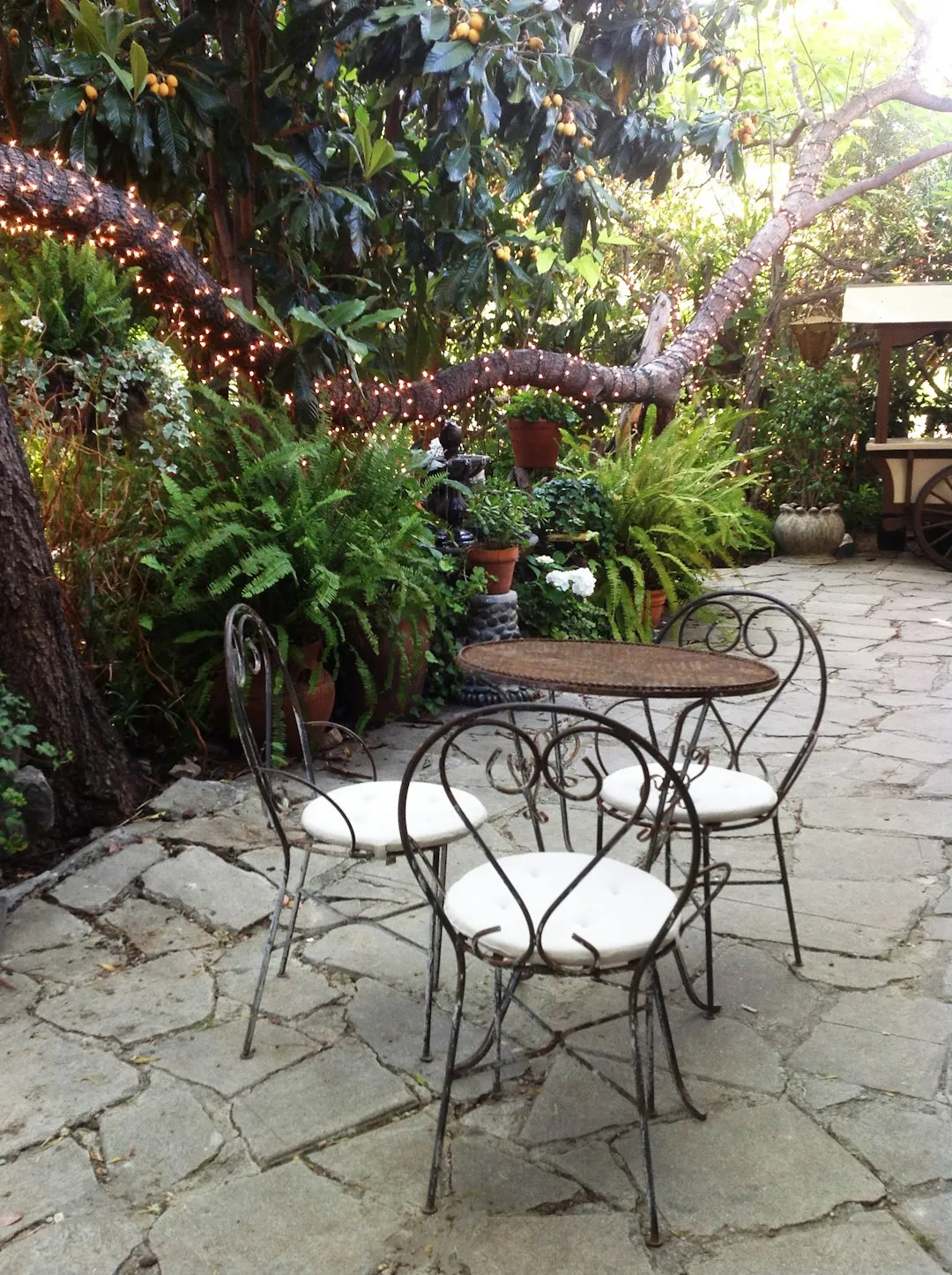
Over time, your native landscape will mature and become even more beautiful. You can continue to add new plants and make adjustments to the design. Consider creating different levels in your landscape, such as using taller plants in the back and shorter ones in the front. This adds depth and visual interest. You can also incorporate hardscaping elements such as paths, patios, or rock gardens to enhance the overall look of your outdoor space.
In conclusion, landscaping with native plants is a rewarding and sustainable way to create a beautiful outdoor area. By following these strategies, you can design and maintain a native landscape that requires less care, attracts wildlife, and enhances the natural beauty of your surroundings. So, roll up your sleeves and start transforming your outdoor space into a native paradise today!
New