Embarking on a gardening landscape project, whether it's a single garden bed or your entire front yard, can be both exciting and daunting. One of the primary concerns for many homeowners is the cost. However, with these expert tips, you can make your landscaping endeavor much easier on your wallet.
First and foremost, planning is key. Before you start digging or purchasing plants, take the time to sketch out your landscape design. Consider the existing features of your yard, such as trees, slopes, and sunlight patterns. This will help you determine the best placement for new plants and hardscape elements. By having a well - thought - out plan, you can avoid costly mistakes and unnecessary purchases. For example, if you plant a sun - loving plant in a shady area, it may not thrive, and you'll end up having to replace it.
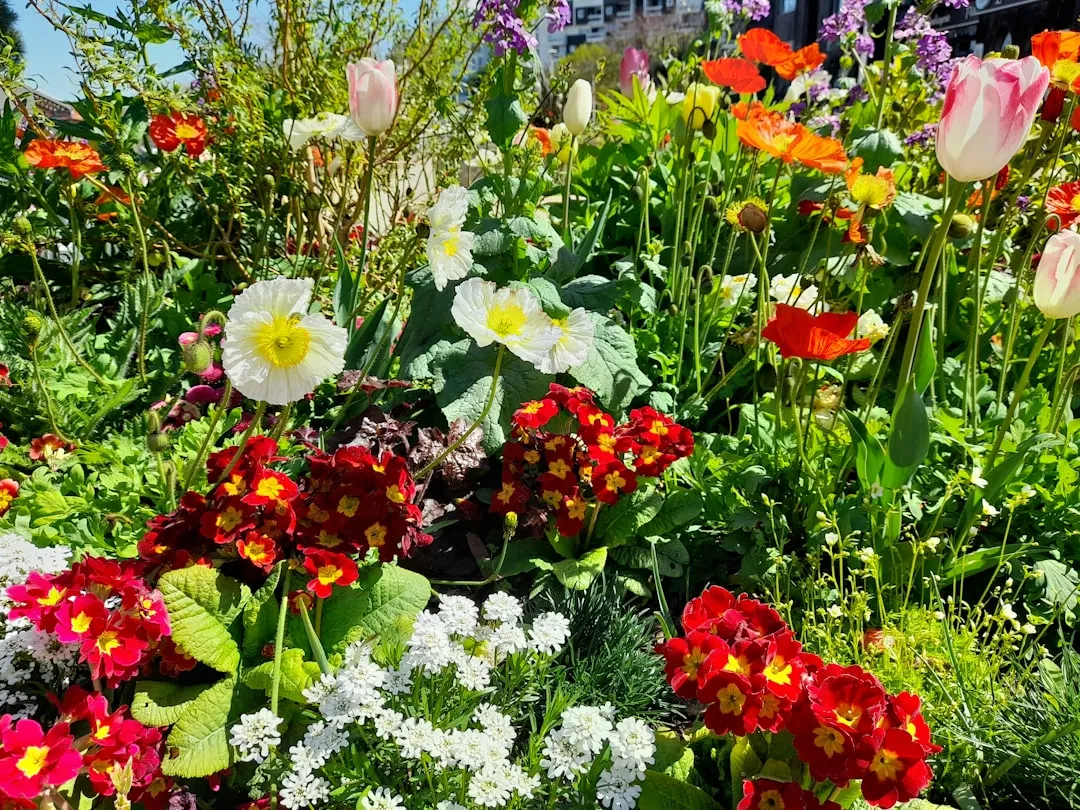
When it comes to choosing plants, opt for native species. Native plants are adapted to the local climate, soil conditions, and pests. They generally require less water, fertilizer, and pesticides compared to non - native plants. This not only saves you money on maintenance but also helps to support the local ecosystem. You can visit your local nursery or botanical garden to find out which native plants are suitable for your area. Additionally, consider purchasing plants from plant sales or community garden exchanges. These are often much cheaper than buying from a commercial nursery.
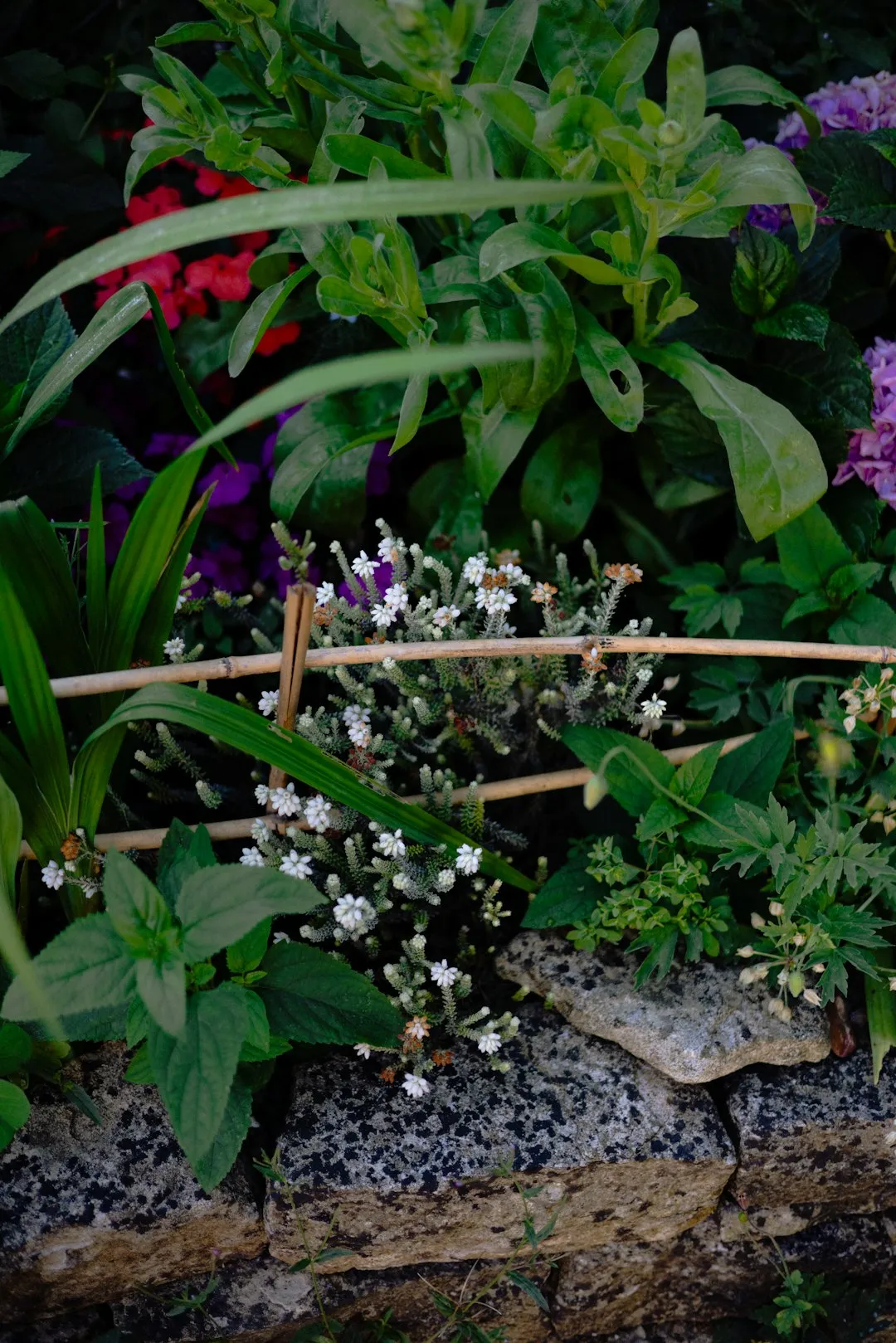
Another cost - saving tip is to reuse and recycle materials. Look around your property for items that can be repurposed in your landscape. Old bricks can be used to create a border for a garden bed, or an old bathtub can be transformed into a unique planter. You can also check local freecycle groups, salvage yards, or construction sites for discarded materials. With a little creativity, you can turn these items into beautiful and functional landscape features.
For hardscape elements like patios and walkways, consider using cost - effective materials. Instead of expensive natural stone, you can use concrete pavers or gravel. Concrete pavers come in a variety of shapes, sizes, and colors, and they are relatively easy to install. Gravel is another affordable option that provides good drainage and a rustic look. You can also use recycled materials for hardscaping, such as crushed glass or recycled plastic pavers.
Maintenance is an ongoing cost in landscaping, but there are ways to keep it low. Regularly pruning your plants can help them stay healthy and prevent overgrowth, which can lead to more expensive maintenance in the long run. Mulching your garden beds is also a great way to save money. Mulch helps to retain moisture in the soil, suppress weeds, and improve soil fertility. You can use organic mulches like wood chips, straw, or shredded leaves, which are often free or inexpensive.
When it comes to watering your garden, use water - saving techniques. Install a drip irrigation system, which delivers water directly to the roots of the plants, reducing water waste. You can also collect rainwater in barrels and use it to water your plants. This not only saves you money on your water bill but also helps to conserve water.
In conclusion, creating a beautiful gardening landscape doesn't have to break the bank. By following these expert tips, you can plan, plant, and maintain your landscape in a cost - effective way. With a little effort and creativity, you can transform your yard into an outdoor oasis without spending a fortune.
New