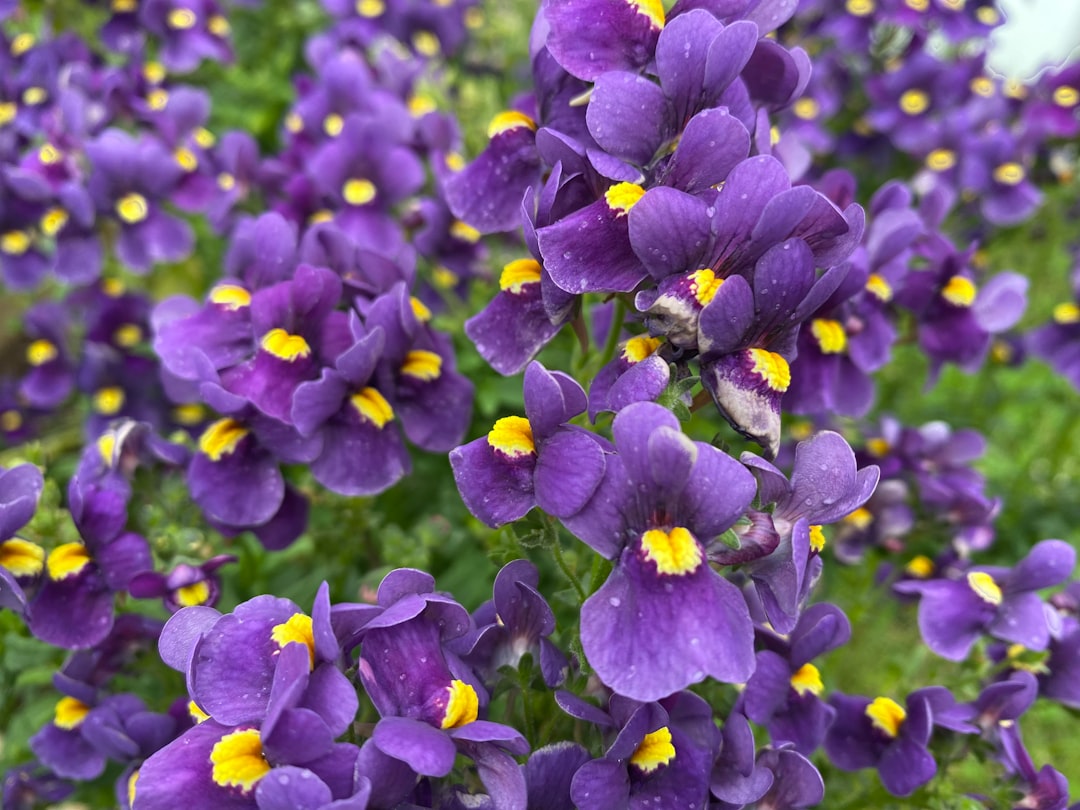
Houseplants have long been a source of joy and tranquility in our homes. Among the many beautiful houseplants, African violets stand out with their delicate, colorful blooms. However, getting these lovely plants to bloom to their fullest potential can sometimes be a challenge. In this article, we will explore some simple tips on providing the ideal flowering conditions for African violets, so you can enjoy a profusion of blossoms like never before.
First and foremost, let's talk about light. African violets are native to the forests of East Africa, where they grow under the canopy of larger plants. This means they prefer bright, indirect light. Direct sunlight can scorch their leaves and prevent them from blooming. A north - facing window or a spot a few feet away from an east - or west - facing window is usually ideal. If you don't have enough natural light, you can also use fluorescent grow lights. Place the lights about 12 inches above the plants and keep them on for 12 - 14 hours a day. This mimics the natural light cycle and encourages blooming.
Next, temperature plays a crucial role in the blooming process. African violets thrive in a relatively stable temperature range. The ideal temperature for them is between 65°F and 75°F (18°C - 24°C). Avoid placing them near drafty windows, air conditioners, or heaters, as sudden temperature changes can stress the plants and inhibit blooming. During the winter months, make sure to keep them away from cold drafts, and in the summer, prevent them from getting too hot.
Watering is another important factor. African violets have sensitive roots, and over - watering or under - watering can both be detrimental. Water the plants from the bottom by placing the pot in a saucer filled with water. Let the plant soak up the water for about 30 minutes, and then pour out any excess water. This method ensures that the roots get enough moisture without getting waterlogged. Use room - temperature water, as cold water can shock the plants. Also, avoid getting water on the leaves, as this can cause spotting and damage.
Soil is the foundation for healthy African violets. They need a well - draining, lightweight soil that is rich in organic matter. You can buy a special African violet potting mix from a garden center, or you can make your own by combining peat moss, perlite, and vermiculite. The right soil will allow the roots to breathe and absorb nutrients properly, which is essential for blooming.
Fertilizing is necessary to provide the plants with the nutrients they need to produce blooms. Use a balanced, water - soluble fertilizer formulated specifically for African violets. Follow the instructions on the fertilizer package for the correct dosage and frequency. Generally, you should fertilize the plants every two to four weeks during the growing season (spring and summer). However, reduce the frequency during the fall and winter when the plants are in a more dormant state.
Pruning is also important for encouraging blooming. Remove any dead or yellowing leaves regularly. This not only keeps the plant looking tidy but also allows the plant to focus its energy on producing new growth and blooms. You can also pinch off the spent flowers to promote more blooming. Use clean, sharp scissors or pruning shears to avoid damaging the plant.
Finally, repotting is a necessary step to keep African violets healthy and blooming. As the plants grow, they can become root - bound, which can restrict their growth and blooming. Repot the plants every 6 - 12 months into a slightly larger pot with fresh potting soil. This gives the roots more room to grow and access to fresh nutrients.
In conclusion, by providing the right light, temperature, water, soil, fertilizer, pruning, and repotting, you can create the ideal flowering conditions for African violets. With a little care and attention, you can enjoy a continuous display of beautiful blooms that will brighten up your home and bring a touch of nature indoors.
New