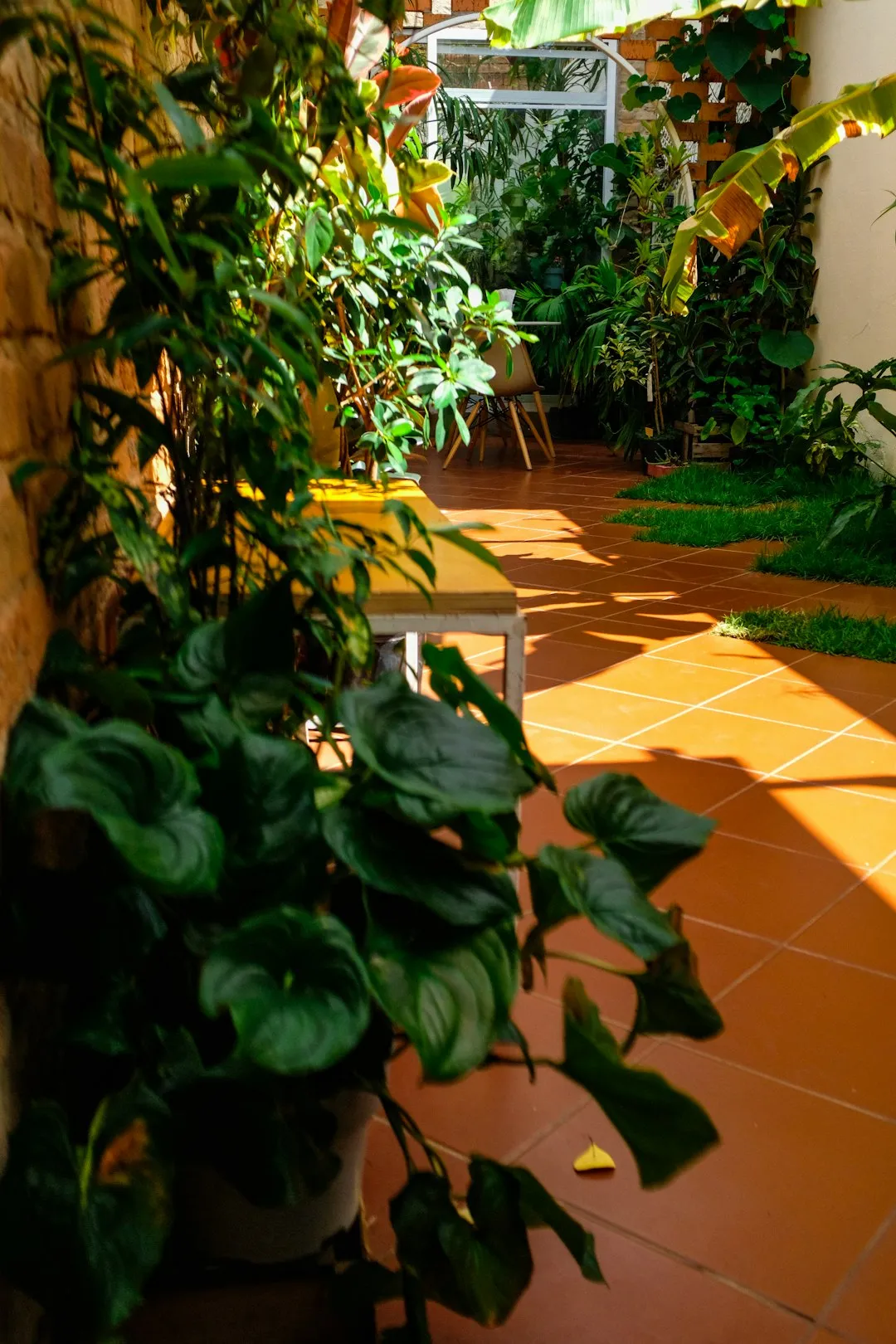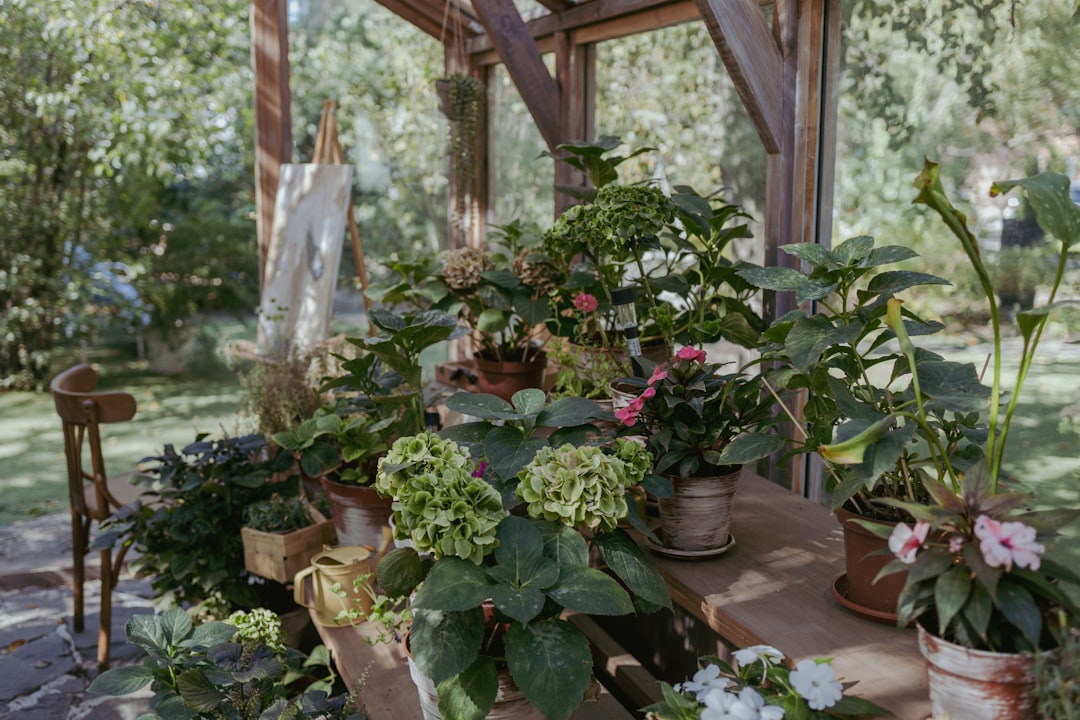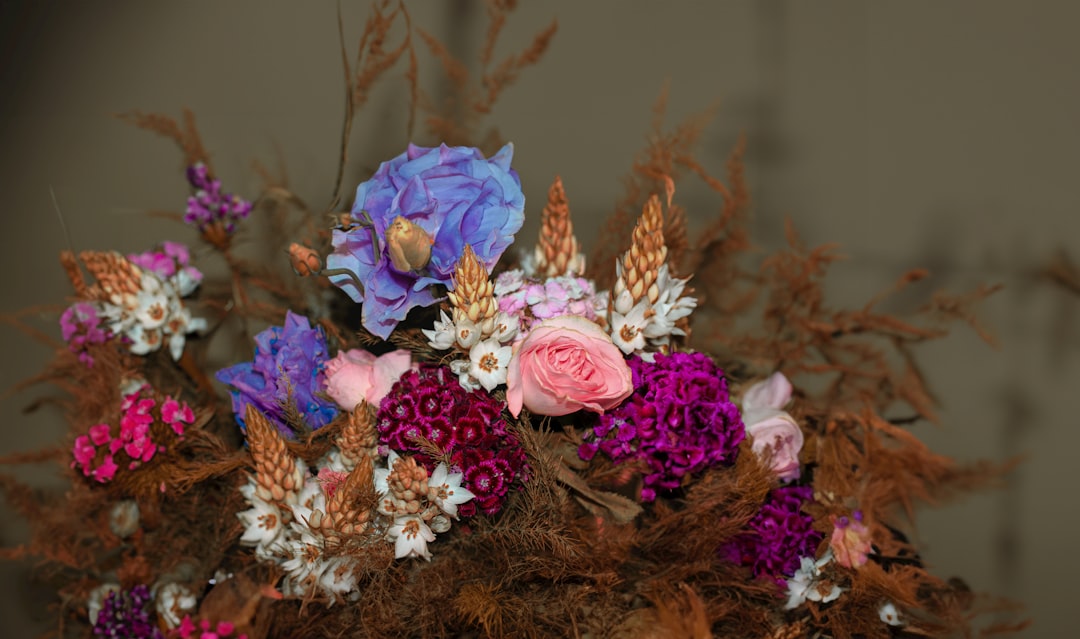
Houseplants have long been cherished for their ability to transform indoor spaces into lush, inviting oases. Among the diverse array of houseplants, those with tropical flowers stand out as particularly captivating, adding a splash of color and a delightful fragrance to your home. In this guide, we'll explore some of these stunning plants and provide you with the essential information you need to care for them.
One of the most popular tropical houseplants with vibrant flowers is the Anthurium. Known for its heart - shaped, waxy blooms, Anthuriums come in a variety of colors, including red, pink, white, and orange. These plants thrive in bright, indirect light, making them perfect for a spot near a north - or east - facing window. The soil should be well - draining, and it's important to keep it consistently moist but not waterlogged. Overwatering can lead to root rot, which is a common problem for Anthuriums. Fertilize them every few months during the growing season to encourage healthy growth and abundant flowering.
Another eye - catching option is the Orchid. Orchids are renowned for their elegant and intricate flowers, which can last for weeks or even months. There are many different types of orchids, but the Phalaenopsis, or moth orchid, is one of the most common and easiest to care for. It prefers bright, filtered light and high humidity. You can increase humidity by placing the orchid on a tray filled with pebbles and water. Water the orchid when the top inch of the potting mix is dry, and use a balanced orchid fertilizer according to the package instructions. With proper care, your orchid will reward you with beautiful blooms year after year.
The Hibiscus is a tropical plant that can also be grown indoors. Its large, showy flowers come in a range of colors, from deep reds to soft pinks and yellows. Hibiscus plants need plenty of sunlight, so place them near a south - or west - facing window. They require regular watering, especially during the growing season, but make sure the soil has good drainage. Pruning is also important to keep the plant looking its best and to encourage new growth. Fertilize the Hibiscus every two weeks during the spring and summer with a high - potassium fertilizer to promote flowering.
For those who love a sweet fragrance, the Jasmine is an excellent choice. Jasmine plants produce small, white flowers that emit a lovely, intoxicating scent. They need full sun to partial shade and well - drained soil. Water the Jasmine regularly, allowing the soil to dry slightly between waterings. Pruning after flowering will help maintain its shape and encourage more blooms. You can also train the Jasmine to climb a trellis or support, adding an extra decorative element to your indoor garden.
When it comes to potting these tropical houseplants, choose a pot that is slightly larger than the root ball to allow for growth. Use a high - quality potting mix that is specifically formulated for tropical plants. This type of mix usually contains a blend of peat moss, perlite, and vermiculite, which provides good drainage and aeration. Repot your plants every one to two years, or when you notice that the roots are becoming crowded.
Proper temperature and humidity are crucial for the health of tropical houseplants. Most of these plants prefer temperatures between 65°F and 80°F during the day and slightly cooler at night. To increase humidity, you can use a humidifier, mist the plants regularly, or group them together. Grouping plants creates a micro - environment with higher humidity levels.
Monitoring for pests is also an important part of caring for tropical houseplants. Common pests include aphids, spider mites, and whiteflies. If you notice any signs of pests, such as yellowing leaves, sticky residue, or small insects on the plant, take action immediately. You can use natural remedies like neem oil or insecticidal soap to control pests, or consult a professional if the problem persists.
In conclusion, adding tropical houseplants with flowers to your home is a wonderful way to bring a touch of the tropics indoors. With the right care and attention, these plants will thrive and provide you with beautiful blooms and delightful fragrances. Whether you're a seasoned gardener or just starting out, there's a tropical houseplant out there for you to enjoy.
New