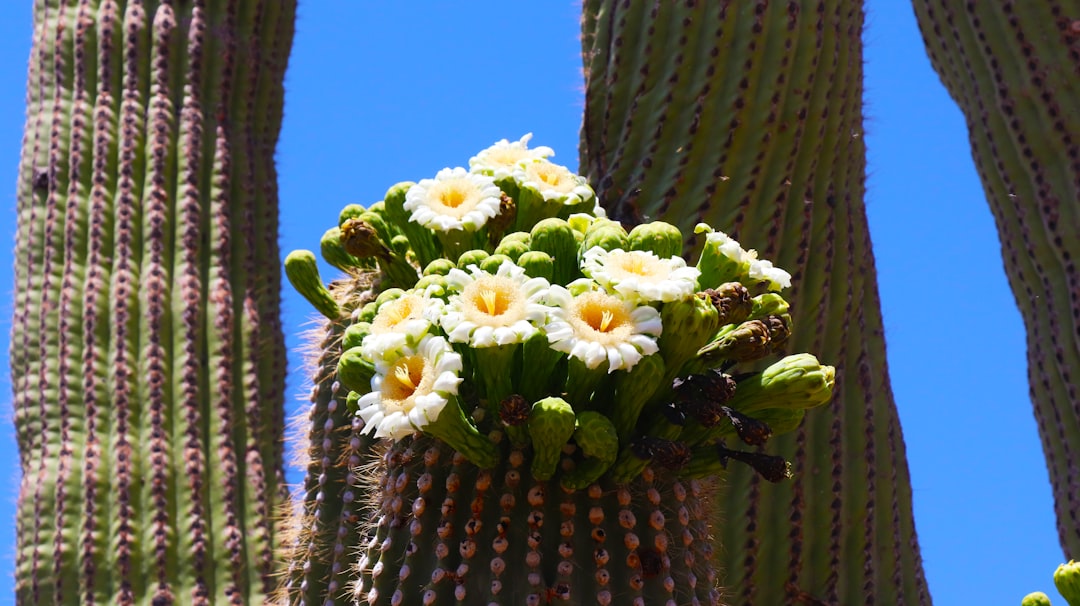
In the world of gardening, cactus plants stand out as unique and fascinating additions to any home. Their distinct shapes, textures, and resilience make them a popular choice for both novice and experienced gardeners. If you're looking to add a touch of character to your living space, starting a cactus garden is an excellent option. In this guide, we'll walk you through the steps of creating and caring for your very own cactus collection.
### Getting Started with Your Cactus Garden
Before you begin, it's important to understand the basic needs of cactus plants. Cacti are native to arid regions, so they thrive in well-draining soil and plenty of sunlight. Here are the key steps to get your cactus garden up and running:
1. Choose the Right Location
Select a spot in your home that receives at least six hours of direct sunlight per day. A south-facing window or a sunny balcony is ideal. If you don't have access to natural sunlight, you can use artificial grow lights to provide the necessary light for your cacti.
2. Select the Right Cacti
There are thousands of different cactus species available, each with its own unique characteristics. When choosing cacti for your garden, consider factors such as size, shape, and care requirements. Some popular cactus varieties for beginners include the prickly pear, the barrel cactus, and the Christmas cactus.
3. Prepare the Soil
Cacti require well-draining soil to prevent root rot. You can purchase a pre-made cactus soil mix or create your own by combining equal parts of potting soil, perlite, and sand. Make sure the soil is loose and airy to allow for proper drainage.
4. Plant Your Cacti
Once you have your location, cacti, and soil ready, it's time to plant your cacti. Carefully remove the cactus from its nursery pot and gently loosen the roots. Place the cactus in the center of the pot and fill in the remaining space with soil. Press the soil down firmly around the base of the cactus to secure it in place.
### Caring for Your Cactus Garden
Now that your cactus garden is established, it's important to provide the proper care to keep your plants healthy and thriving. Here are some tips for caring for your cacti:
1. Watering
One of the most common mistakes people make when caring for cacti is overwatering. Cacti are adapted to survive in dry conditions, so they don't need a lot of water. Water your cacti only when the soil is completely dry. During the growing season (spring and summer), you may need to water your cacti once every two to three weeks. In the winter, reduce watering to once every four to six weeks.
2. Fertilizing
Cacti don't require a lot of fertilizer, but they can benefit from a light application of fertilizer during the growing season. Use a balanced fertilizer specifically formulated for cacti and succulents. Follow the instructions on the fertilizer package for the correct application rate.
3. Pruning
Pruning is not necessary for most cacti, but it can help to keep your plants looking neat and tidy. If you notice any dead or damaged branches, you can use a sharp, clean pair of pruning shears to remove them. Be careful when handling cacti, as their spines can be sharp and painful.
4. Pests and Diseases
Cacti are generally resistant to pests and diseases, but they can still be affected by a few common problems. Mealybugs, scale insects, and spider mites are some of the most common pests that can attack cacti. If you notice any signs of pests or diseases, such as yellowing leaves, wilting, or spots on the leaves, take action immediately. You can use a natural insecticide or a homemade solution of water and dish soap to treat the problem.
### Expanding Your Cactus Collection
Once you have mastered the basics of cactus care, you may want to expand your collection. There are many ways to add new cacti to your garden, including:
1. Propagation
You can propagate cacti from cuttings or offsets. To propagate from cuttings, simply cut a piece of the cactus stem and allow it to dry for a few days. Then, plant the cutting in well-draining soil and water it sparingly. To propagate from offsets, gently remove the offset from the parent plant and plant it in its own pot.
2. Buying New Cacti
You can purchase new cacti from a local nursery, garden center, or online retailer. When buying new cacti, make sure to choose healthy plants that are free from pests and diseases. Look for plants with firm, plump stems and bright, healthy leaves.
3. Trading with Other Gardeners
You can also trade cacti with other gardeners to expand your collection. Join a local gardening club or online community to connect with other cactus enthusiasts. You can exchange cuttings, offsets, or even whole plants with other gardeners.
In conclusion, starting and caring for a cactus garden is a rewarding and enjoyable experience. With a little knowledge and patience, you can create a beautiful and unique cactus collection that will add character and charm to your home. So, what are you waiting for? Start your cactus garden today and enjoy the beauty and resilience of these amazing plants.
New