Are you eager to grow cantaloupes that are not only huge but also incredibly juicy? Well, you're in the right place. All you need for this rewarding endeavor is the perfect combination of sun, soil, pollination, and a bit of luck. Let's embark on this gardening journey together and learn how to cultivate the most delicious cantaloupes.
First and foremost, sunlight plays a crucial role in the growth of cantaloupes. These plants thrive in full sun, which means they need at least 6 - 8 hours of direct sunlight each day. When choosing a spot in your garden for planting cantaloupes, look for an area that gets plenty of sun exposure. A south - facing location is often ideal. The sun provides the energy that the plants need to produce sugars through photosynthesis, which is what gives cantaloupes their sweet flavor. Without enough sunlight, the cantaloupes may be small and lack the desired sweetness.
Next, the soil is another key factor. Cantaloupes prefer well - drained, fertile soil. You can start by preparing the soil before planting. Incorporate organic matter such as compost or well - rotted manure into the soil. This helps to improve the soil structure, making it more porous and allowing the roots to penetrate easily. The organic matter also provides essential nutrients for the plants. A soil pH between 6.0 and 6.8 is optimal for cantaloupe growth. You can test the soil pH using a soil testing kit available at most garden centers. If the pH is too low or too high, you can adjust it by adding lime to raise the pH or sulfur to lower it.
Planting cantaloupe seeds or seedlings should be done at the right time. In most regions, it's best to wait until after the last frost date. Cantaloupes are sensitive to cold temperatures, and a late frost can damage or kill the plants. If you're starting from seeds, you can sow them directly in the garden or start them indoors a few weeks before the last frost. When planting, space the seeds or seedlings about 2 - 3 feet apart in rows that are 5 - 6 feet apart. This gives the plants enough room to spread and grow.
Watering is essential for the growth of cantaloupes, but it's important to do it correctly. Cantaloupe plants need consistent moisture, especially during the flowering and fruiting stages. However, over - watering can lead to problems such as root rot. Water the plants deeply at the base, rather than overhead, to prevent the leaves from getting wet, which can increase the risk of fungal diseases. A good rule of thumb is to water the plants when the top inch of soil feels dry.
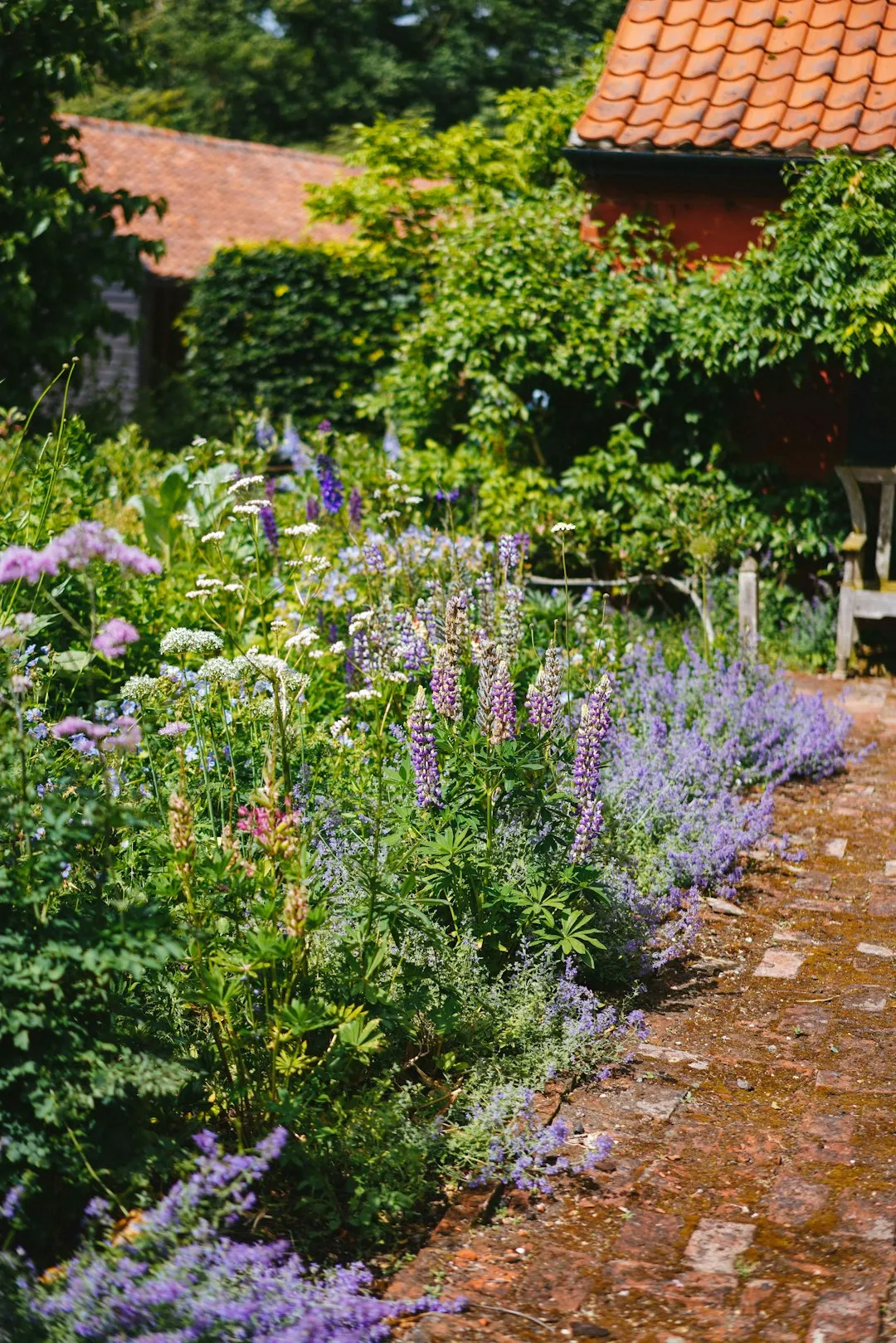
Pollination is a critical step in the cantaloupe growing process. Cantaloupe plants have both male and female flowers. Bees and other pollinators play a vital role in transferring pollen from the male flowers to the female flowers. To attract pollinators to your garden, you can plant flowers such as marigolds, lavender, and cosmos nearby. If you notice a lack of pollinators in your area, you can also try hand - pollinating the flowers. Use a small brush to transfer pollen from the male flowers to the female flowers.
As the cantaloupes start to grow, you may need to provide some support. You can use trellises or cages to keep the vines off the ground. This not only helps to save space in your garden but also reduces the risk of the fruits getting damaged by pests or diseases. Additionally, it allows for better air circulation around the plants, which can prevent fungal diseases.
Finally, don't forget about pest and disease control. Cantaloupes can be susceptible to pests such as aphids, cucumber beetles, and squash bugs. You can use natural pest control methods such as introducing beneficial insects like ladybugs or using insecticidal soaps. For diseases, proper spacing, good air circulation, and avoiding overhead watering can help prevent fungal diseases such as powdery mildew. If you do notice signs of pests or diseases, take action promptly to prevent them from spreading.
Harvesting cantaloupes at the right time is crucial for the best flavor. A ripe cantaloupe will have a sweet aroma, a slightly soft stem end, and a net - like pattern on the skin. You can gently tug on the cantaloupe, and if it separates easily from the vine, it's likely ripe. If you're unsure, you can also check the days to maturity listed on the seed packet as a general guide.
In conclusion, growing huge and juicy cantaloupes requires attention to detail and a bit of patience. By providing the right amount of sun, soil, water, and taking care of pollination and pest control, you can enjoy a bountiful harvest of delicious cantaloupes in your own garden. So, roll up your sleeves and start gardening today!
New