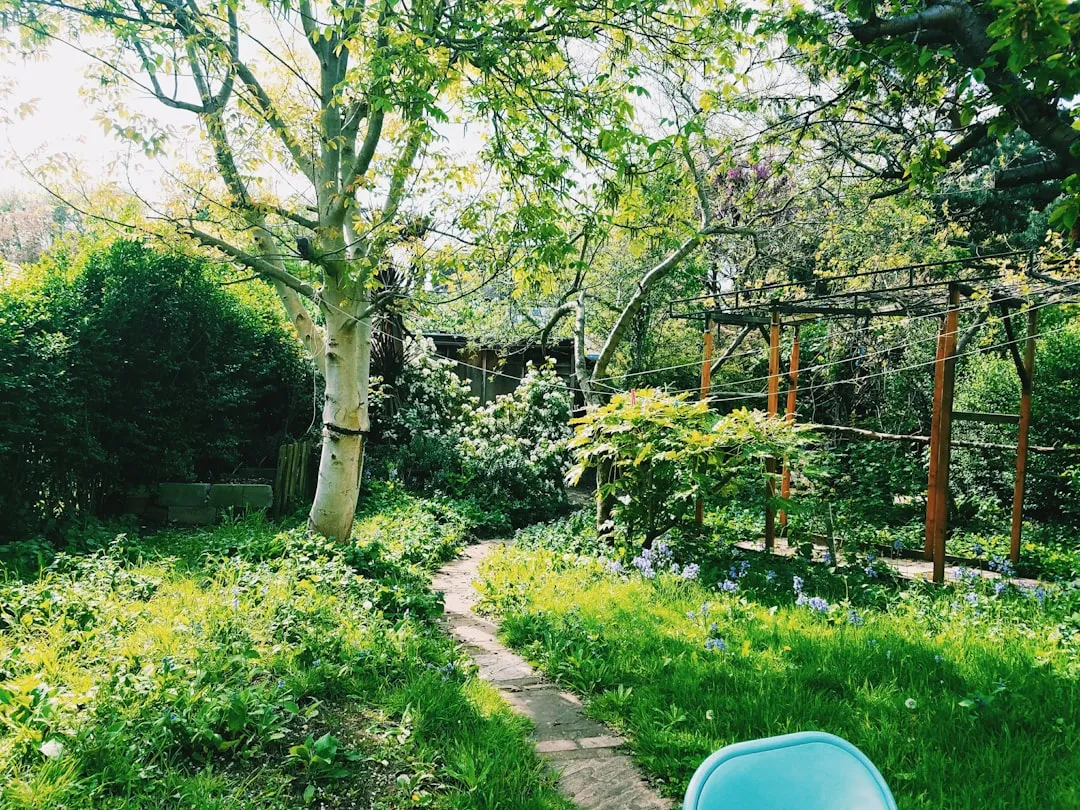
If you're a gardening enthusiast, there's nothing more disheartening than seeing your plants not living up to their full potential. Maybe they're not growing as tall as you'd expected, or their leaves are looking a bit lackluster. But don't worry - there are several simple steps you can take to give your plants the boost they need and help them look their absolute best.
First and foremost, let's talk about soil. The quality of your soil plays a crucial role in the health and growth of your plants. Over time, soil can become depleted of nutrients, especially if you've been growing the same types of plants in the same spot for a while. To replenish the soil, you can add organic matter such as compost or well - rotted manure. Compost is a great way to introduce a wide range of nutrients back into the soil. You can make your own compost at home by collecting kitchen scraps like vegetable peels, coffee grounds, and eggshells, along with yard waste such as leaves and grass clippings. Simply pile them up in a compost bin and let nature do its work. After a few months, you'll have rich, fertile compost that you can mix into your garden soil.
Another important factor is watering. Many people make the mistake of either over - watering or under - watering their plants. Over - watering can lead to root rot, as the roots are constantly sitting in water and can't get enough oxygen. On the other hand, under - watering can cause the plants to become stressed and wilt. To determine when your plants need water, you can stick your finger about an inch into the soil. If it feels dry at that depth, it's time to water. It's also a good idea to water your plants at the base rather than from above. This helps to prevent water from sitting on the leaves, which can lead to fungal diseases.
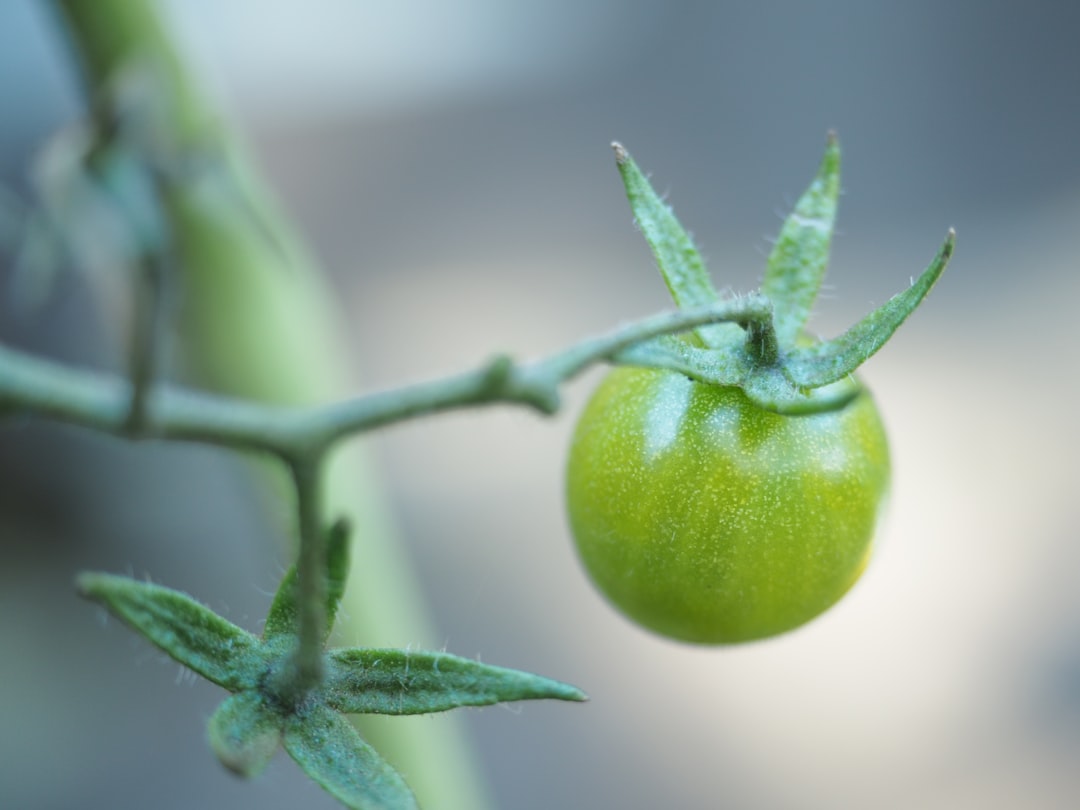
Proper sunlight is essential for plant growth. Different plants have different sunlight requirements. Some plants, like tomatoes and roses, need full sun, which means they should receive at least six hours of direct sunlight per day. Other plants, such as ferns and hostas, prefer partial shade. Make sure you know the sunlight needs of your plants and place them in the appropriate location in your garden. If you have a plant that's not getting enough sunlight, you might consider moving it to a sunnier spot. Conversely, if a plant is getting too much sun, you can provide some shade using a shade cloth or by planting it near taller plants that can offer some protection.
Pruning is another technique that can greatly improve the appearance and health of your plants. Regular pruning helps to remove dead or diseased branches, which can prevent the spread of diseases. It also encourages new growth and can shape the plant to look more aesthetically pleasing. When pruning, make sure you use sharp, clean tools to make clean cuts. For example, when pruning a rose bush, you should cut at a 45 - degree angle just above an outward - facing bud. This helps to promote new growth in the right direction.
Fertilizing is also key. There are different types of fertilizers available, including organic and synthetic ones. Organic fertilizers, such as fish emulsion or bone meal, are derived from natural sources and release nutrients slowly over time. Synthetic fertilizers, on the other hand, provide a quick boost of nutrients. You should choose a fertilizer based on the specific needs of your plants. For instance, if you have a lot of leafy plants, a fertilizer high in nitrogen would be beneficial, as nitrogen promotes leaf growth. Follow the instructions on the fertilizer package carefully to avoid over - fertilizing, which can damage the plants.
Lastly, pest control is an important aspect of gardening. Pests like aphids, slugs, and snails can cause significant damage to your plants. You can use natural pest control methods, such as introducing beneficial insects like ladybugs, which eat aphids. You can also use homemade pest sprays, for example, a mixture of water and dish soap can be effective against many soft - bodied insects. If the pest problem is severe, you may need to resort to using chemical pesticides, but use them as a last resort and follow the safety instructions carefully.
In conclusion, by taking these simple steps - improving the soil, watering correctly, providing the right amount of sunlight, pruning, fertilizing, and controlling pests - you can transform your lackluster garden into a thriving oasis. With a little bit of effort and attention, your plants will not only grow better but will also look their best, bringing you joy and beauty in your outdoor space.
New