In the world of gardening, especially when gardening by region, one of the most pressing issues is dealing with invasive plants. These seemingly innocent flora can quickly turn a well - maintained garden into a chaotic mess, not to mention the damage they cause to natural habitats. However, there are native alternatives that can bring just as much color and charm to your garden without the risk of over - taking it.
Native plants are those that have evolved in a particular region over thousands of years. They are well - adapted to the local climate, soil conditions, and pests. This means that they require less maintenance, less water, and fewer pesticides compared to invasive or non - native plants. For example, in the Northeast region of the United States, the Japanese barberry is an invasive plant that has spread rapidly, crowding out native species. A great native alternative is the American barberry. It has similar bright red berries that add a pop of color in the fall, and its foliage turns a beautiful orange - red, just like its invasive counterpart.
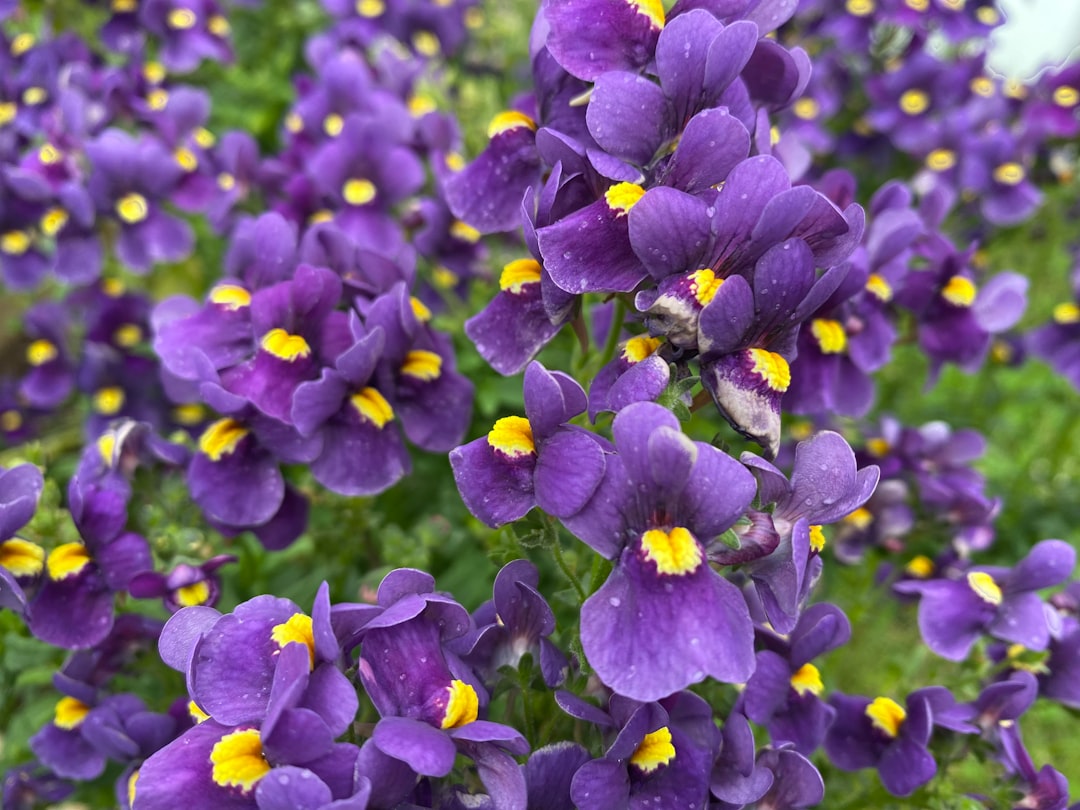
Another invasive plant that has caused problems in many regions is the purple loosestrife. This plant can quickly take over wetland areas, disrupting the delicate ecosystem. In its place, the fireweed can be a wonderful addition to a garden. Fireweed has tall spikes of bright pink to purple flowers that bloom from late spring to early fall. It thrives in moist, well - drained soil and is a favorite of pollinators such as bees and butterflies.
When considering native alternatives, it's important to understand the specific needs of your garden. Some native plants prefer full sun, while others do better in partial shade. For instance, in the Pacific Northwest, the English ivy is an invasive plant that can smother trees and other plants. A native option is the vanilla leaf. This plant grows well in shady areas and has large, heart - shaped leaves that give off a vanilla - like fragrance when crushed. In the spring, it produces small, white flowers that add a touch of elegance to the garden.
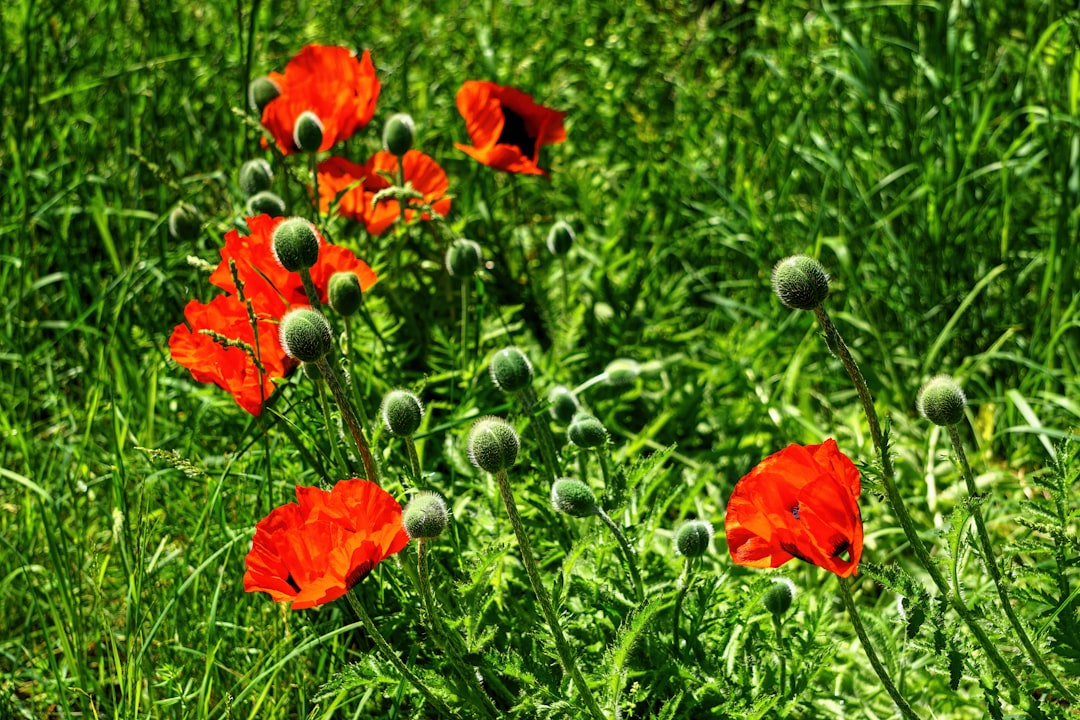
Native plants also play a crucial role in supporting local wildlife. They provide food and shelter for birds, insects, and other animals. For example, the milkweed is a native plant that is essential for the survival of monarch butterflies. Monarch caterpillars feed exclusively on milkweed leaves. By planting milkweed in your garden, you are not only adding a splash of color with its bright orange flowers but also helping to support the declining monarch population.
Creating a garden with native alternatives requires some research. You need to know which plants are native to your region and how to care for them. Local nurseries and botanical gardens are great resources. They can provide you with information on native plants, as well as sell you the plants themselves. You can also join local gardening clubs or online forums where you can exchange ideas with other gardeners who are passionate about using native plants.
One of the benefits of using native alternatives is that they can create a sense of place in your garden. They reflect the unique character of the region you live in. For example, in the Southwest, the Russian olive is an invasive plant. A native alternative is the desert willow. With its trumpet - shaped pink or purple flowers and long, narrow leaves, the desert willow gives a southwestern flair to any garden. It is drought - tolerant and can withstand the harsh desert sun.
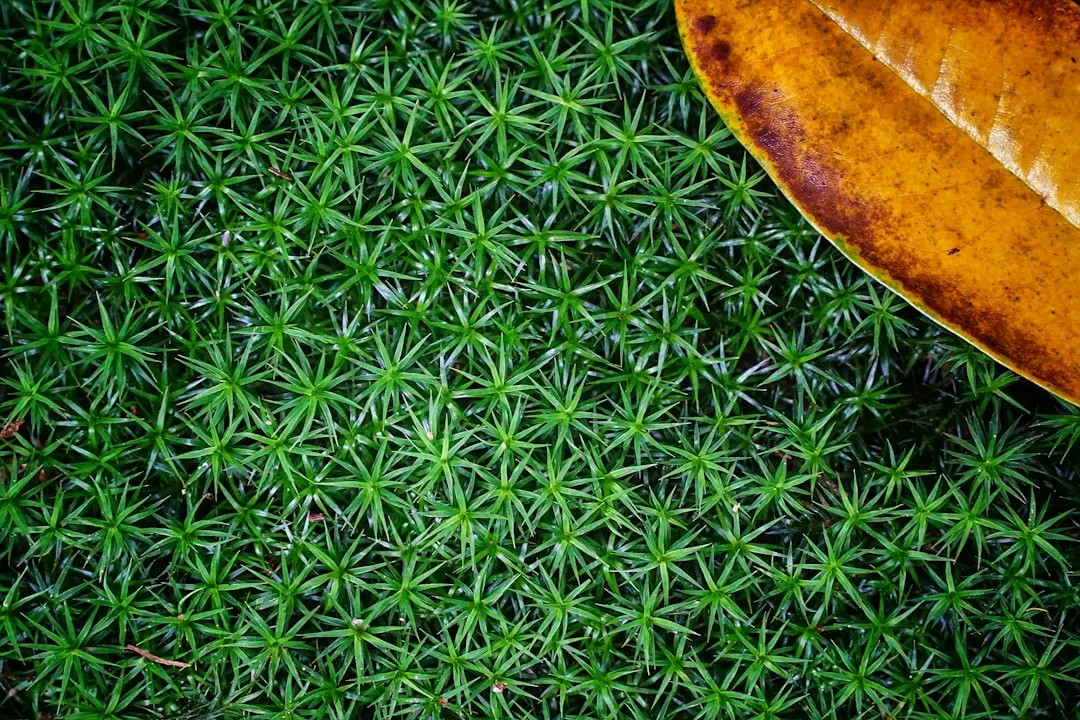
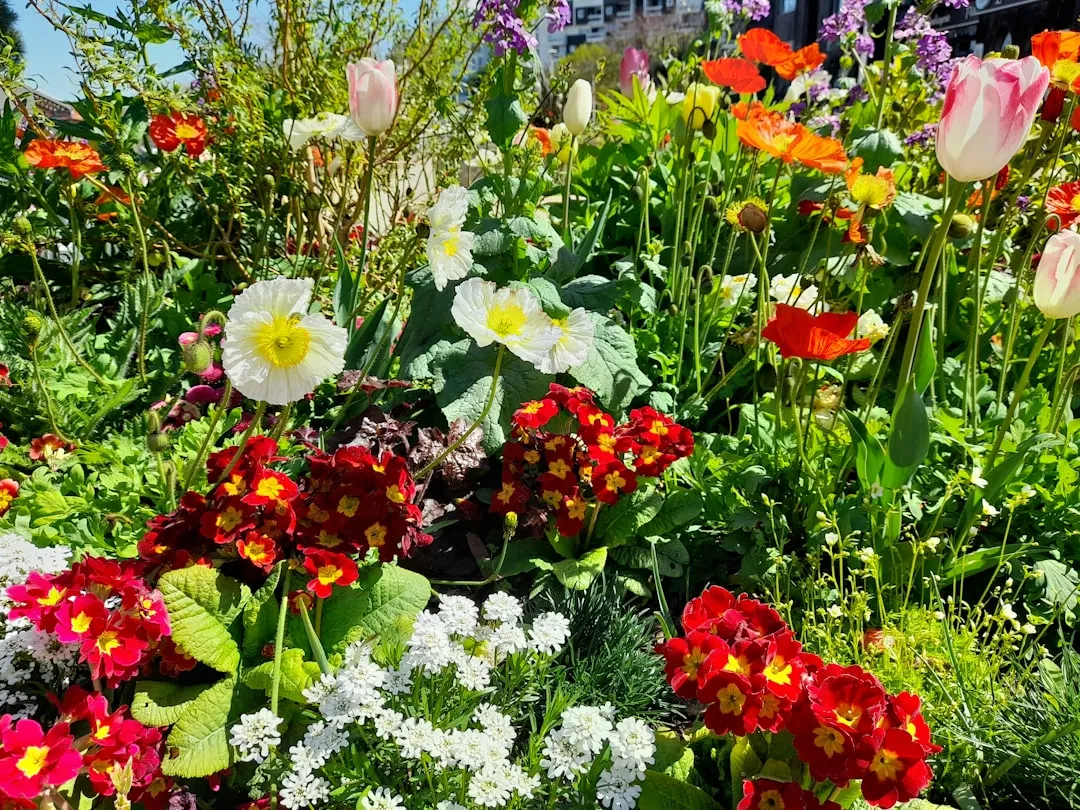
When designing your garden with native alternatives, you can create a diverse and dynamic landscape. You can mix different types of plants with varying heights, colors, and textures. For example, you can combine low - growing groundcovers like wild strawberry with taller plants like the Joe - Pye weed. This creates a multi - layered effect that is both visually appealing and ecologically beneficial.
In conclusion, gardening by region with native alternatives to invasive plants is not only a responsible choice but also a rewarding one. It allows you to have a colorful, low - maintenance garden that supports local wildlife and preserves the natural beauty of your area. So, the next time you're planning your garden, consider reaching for native plants and say goodbye to the problems caused by invasive species.
New