Gardening is a rewarding endeavor that allows us to connect with nature and create beautiful outdoor spaces. However, not all plants thrive in every environment. That's where understanding your Hardiness Zone comes in. By using this valuable tool, you can choose perennials, trees, and shrubs that are well - suited to your region, ensuring a lush and healthy garden year after year.
Hardiness Zones are determined by the average annual minimum temperature in a particular area. The United States Department of Agriculture (USDA) has developed a Hardiness Zone Map that divides the country into different zones, each representing a 10 - degree Fahrenheit difference in the average annual minimum temperature. This map is a crucial resource for gardeners as it helps them select plants that can withstand the coldest temperatures in their area.
When it comes to choosing perennials for your garden, your Hardiness Zone is the first factor to consider. Perennials are plants that come back year after year, and they can add color and texture to your garden. For example, in Zone 3, where the average annual minimum temperature ranges from - 40 to - 30 degrees Fahrenheit, plants like purple coneflowers (Echinacea purpurea) and black - eyed Susans (Rudbeckia hirta) are excellent choices. These hardy perennials can tolerate the cold winters and still bloom beautifully in the summer.
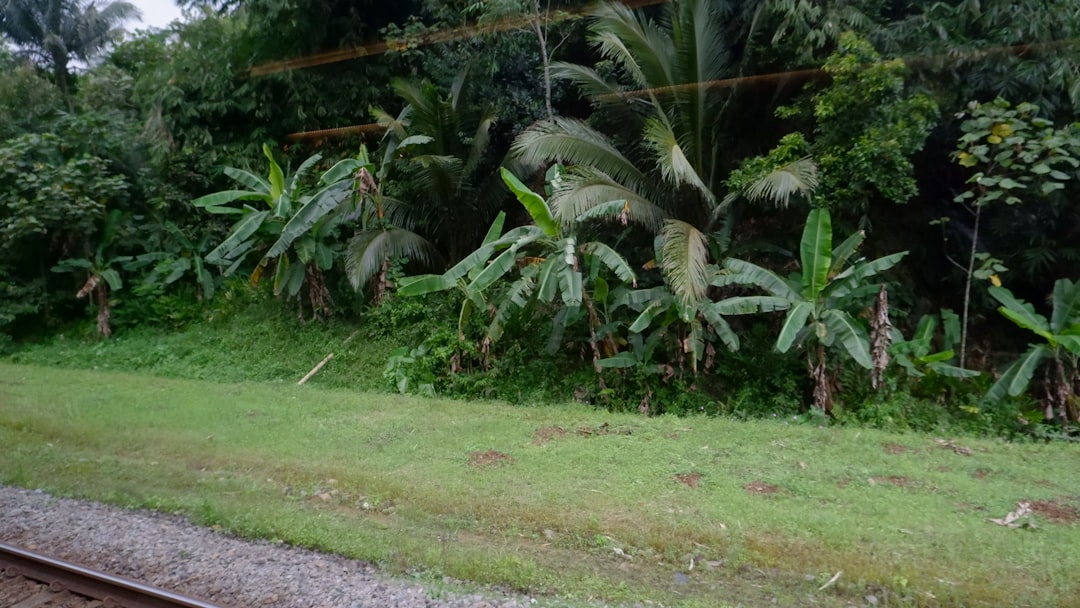
In warmer zones, such as Zone 9, where the average annual minimum temperature is between 20 and 30 degrees Fahrenheit, you have a wider variety of perennials to choose from. Tropical - looking plants like cannas and gingers can thrive in these zones. Cannas, with their large, colorful leaves and showy flowers, can add a touch of the exotic to your garden. Gingers, on the other hand, have fragrant flowers and lush foliage that can create a tropical oasis in your backyard.
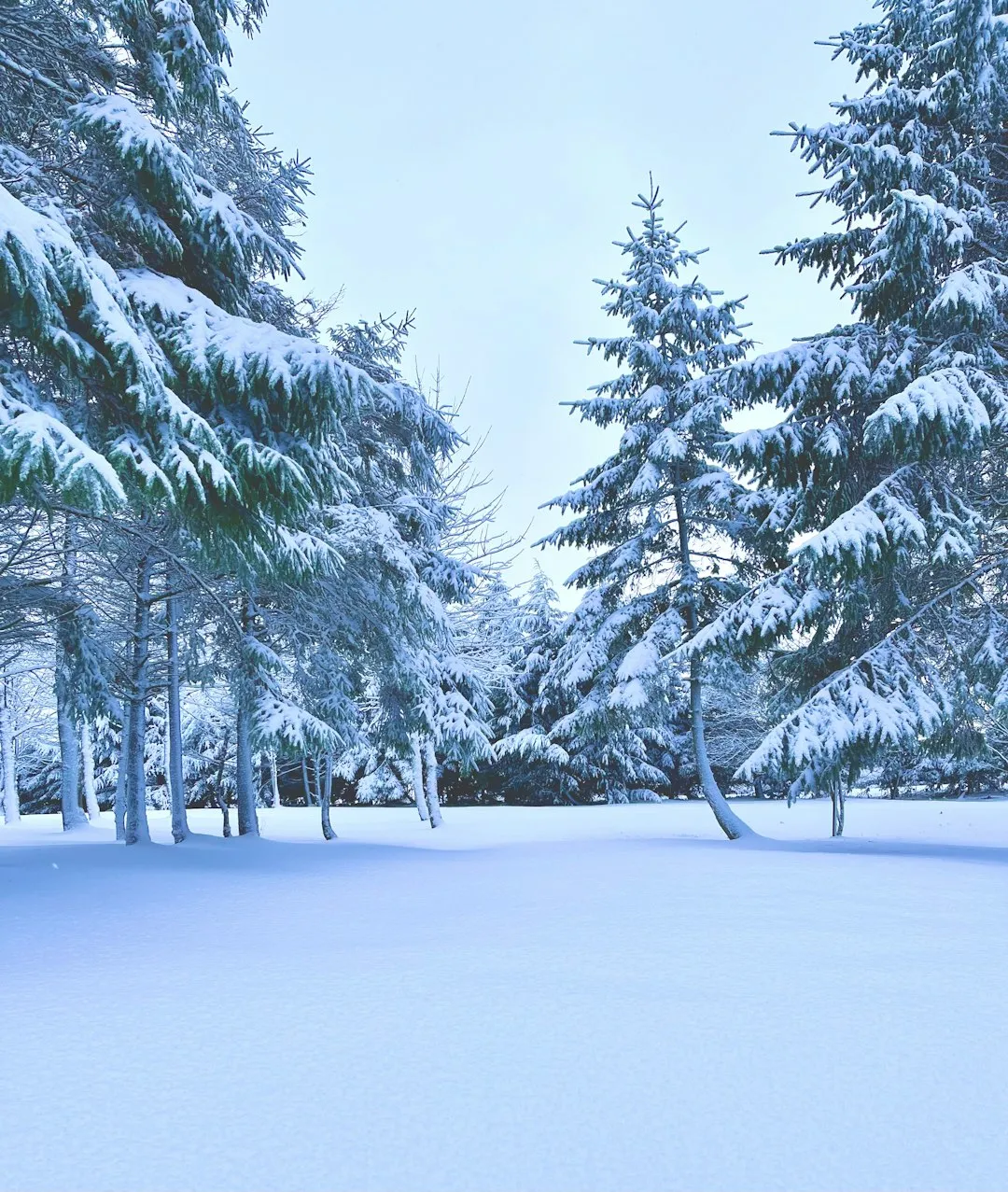
Trees are another important element of a garden. They provide shade, privacy, and can enhance the overall aesthetic of your outdoor space. When selecting trees, it's essential to choose species that are adapted to your Hardiness Zone. In colder zones, trees like the white spruce (Picea glauca) and the paper birch (Betula papyrifera) are popular choices. These trees are cold - hardy and can withstand harsh winter conditions. They also have beautiful foliage and bark that can add visual interest to your garden.
In warmer zones, you can consider planting trees like the magnolia or the live oak. Magnolias are known for their large, fragrant flowers that bloom in the spring. They can be a focal point in your garden and attract pollinators like bees and butterflies. Live oaks, on the other hand, are evergreen trees that can provide year - round shade and have a stately presence in your landscape.
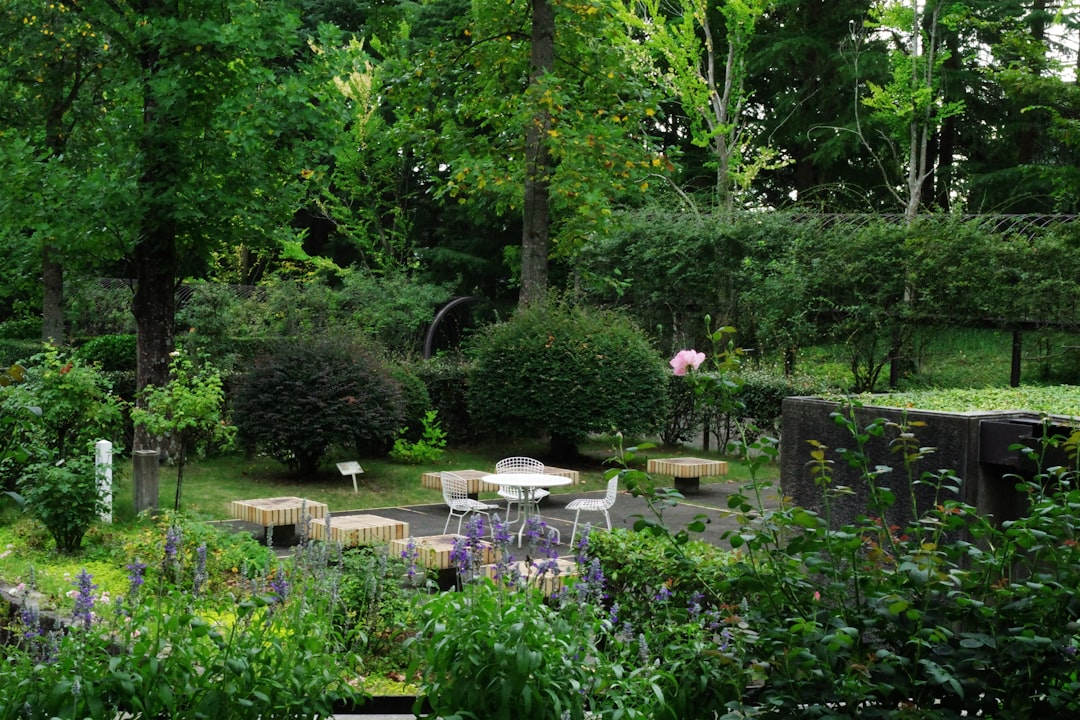
Shrubs are versatile plants that can be used as hedges, borders, or focal points in your garden. Similar to perennials and trees, shrubs need to be selected based on your Hardiness Zone. In Zone 5, shrubs like the lilac (Syringa vulgaris) and the forsythia are common choices. Lilacs are known for their fragrant flowers that come in a variety of colors, from purple to white. Forsythia, with its bright yellow flowers in the early spring, can signal the arrival of the gardening season.
In Zone 7, you might consider planting azaleas or camellias. Azaleas are known for their colorful blooms in the spring, and they come in a wide range of colors, including pink, red, and white. Camellias, on the other hand, have beautiful flowers that bloom in the fall and winter, adding color to your garden during the colder months.
It's important to note that while Hardiness Zones are a valuable guide, they are not the only factor to consider when choosing plants. Other factors such as soil type, sunlight exposure, and moisture levels also play a significant role in the success of your garden. For example, some plants prefer well - drained soil, while others can tolerate wetter conditions. Some plants need full sun, while others thrive in partial shade.
To ensure the best results, it's a good idea to do some research on the specific plants you're interested in and understand their requirements. You can also consult with local nurseries or gardening experts who have knowledge of the plants that grow well in your area. They can provide valuable advice on plant selection, planting techniques, and maintenance.
In conclusion, using your Hardiness Zone to choose perennials, trees, and shrubs is a smart way to create a successful garden. By selecting plants that are adapted to your region, you can save time, money, and effort in the long run. With a little planning and research, you can create a beautiful and thriving garden that you can enjoy for years to come.
New