Flowers gardening is an art form that combines beauty, creativity, and a deep appreciation for nature. One often - overlooked element in this art is the use of versatile grasses. These grasses, which are perennials, bring a unique charm and functionality to any flower garden.
There is a wide variety of shapes that these grasses can take. Some have a fountain - like appearance. Picture a gentle cascade of green or variegated blades flowing outwards from a central point, much like water spilling from a fountain. These fountain - shaped grasses add a sense of movement and grace to the garden. They can be placed as focal points, drawing the eye and creating a visual centerpiece. For example, Pennisetum alopecuroides, commonly known as fountain grass, has soft, fluffy flower spikes that sway in the breeze, enhancing the garden's allure.
Upright grasses, on the other hand, offer a sense of structure and verticality. Their straight and tall growth habit can be used to break up the horizontal lines created by other plants in the garden. They can be planted in rows to create a natural fence or border. Miscanthus sinensis is a popular upright grass. Its tall, slender stems and feathery plumes add height and drama to the flower beds. These grasses are also great for adding privacy to a garden, especially when planted in strategic locations.
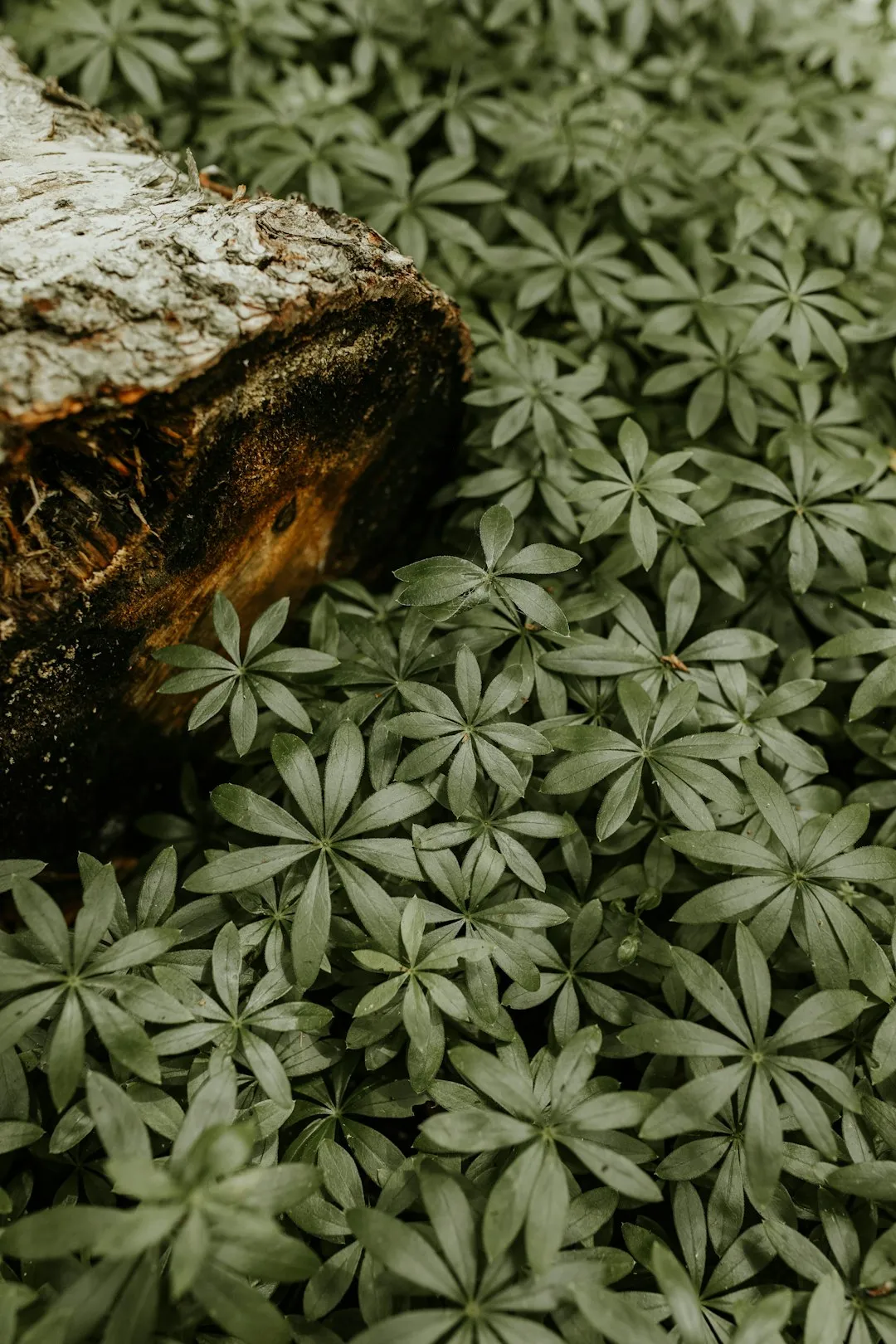
Low groundcover grasses are essential for filling in empty spaces and preventing soil erosion. They spread out horizontally, creating a carpet - like effect. Carex morrowii is a wonderful groundcover grass. It has a dense growth pattern and can tolerate a variety of soil conditions. Groundcover grasses not only add a lush, green backdrop to the flowers but also help to suppress weeds. They are like the unsung heroes of the garden, quietly doing their job to keep the garden looking neat and tidy.
Arching grasses bring a sense of elegance and fluidity. Their long, curved blades create a soft, flowing silhouette. Calamagrostis x acutiflora is an arching grass that is well - loved for its arching foliage and showy flower panicles. These grasses can be used to soften the edges of hardscape features such as paths or retaining walls. They also work well when planted in groups, creating a wave - like effect that adds to the overall aesthetic of the garden.
One of the great advantages of using these perennial grasses in flower gardening is their low maintenance. Once established, they require less watering, fertilizing, and pruning compared to many other plants. They are also generally more resistant to pests and diseases, making them a practical choice for both novice and experienced gardeners. Additionally, these grasses can adapt to a wide range of soil types and light conditions, from full sun to partial shade.
When planning your flower garden, consider the color and texture of these grasses. Many grasses have green foliage, but there are also varieties with variegated leaves, adding a splash of color. Some grasses turn golden or reddish in the fall, providing seasonal interest. The texture of the blades can range from fine and delicate to coarse and bold, allowing you to create a diverse and interesting garden composition.
In conclusion, these versatile perennial grasses are a valuable addition to any flower garden. Their different shapes, low maintenance requirements, and adaptability make them a must - have for gardeners looking to create a beautiful and functional outdoor space. Whether you are aiming for a formal, structured garden or a more natural, wild - looking one, these grasses can play a crucial role in achieving your gardening goals.
New