In the enchanting world of gardening, few things can rival the beauty and allure of roses. Among the many varieties, the butterfly rose stands out as a true gem. This remarkable flower is not only a feast for the eyes but also a practical choice for gardeners, thanks to its disease - resistant nature and ability to thrive in humid conditions.
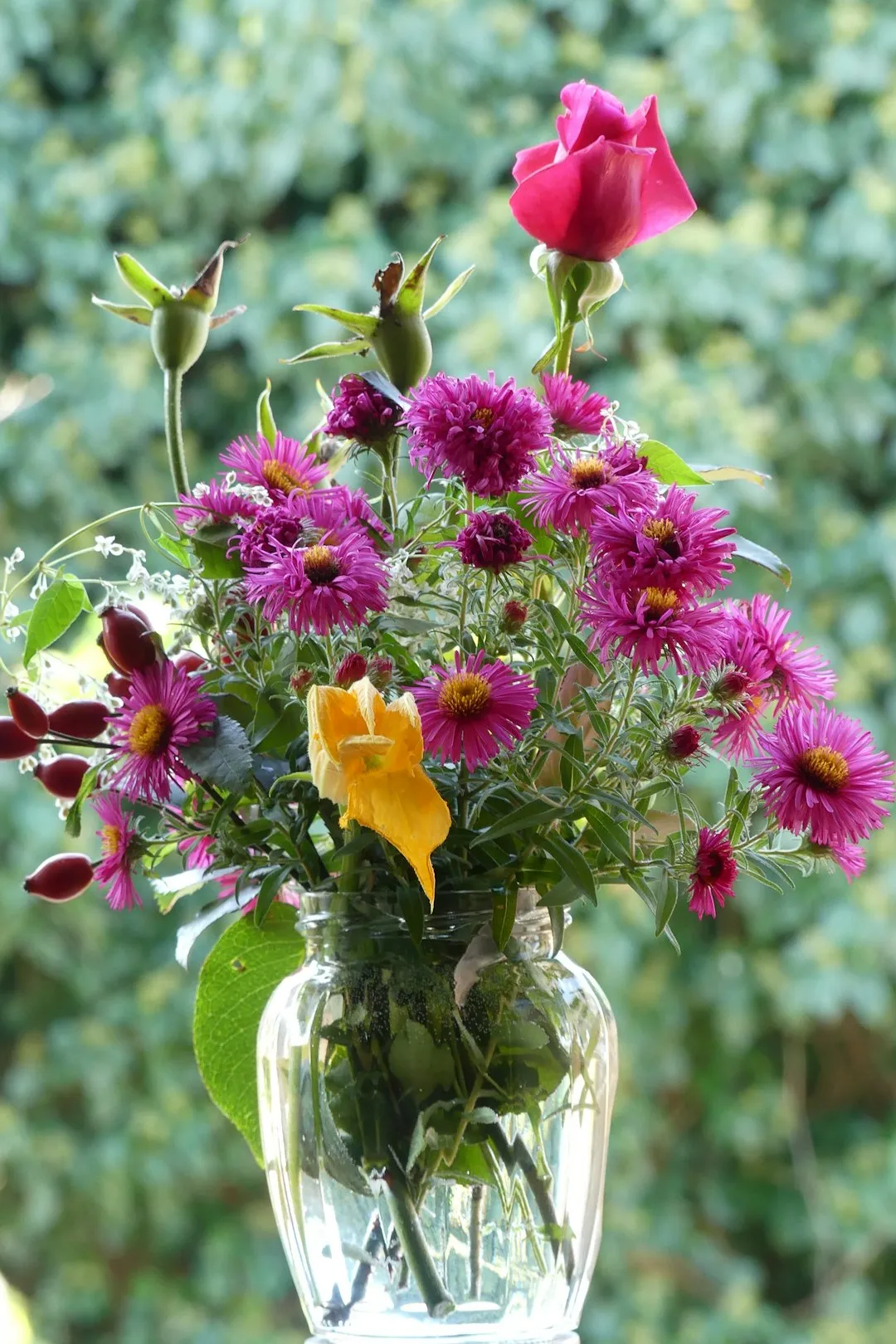
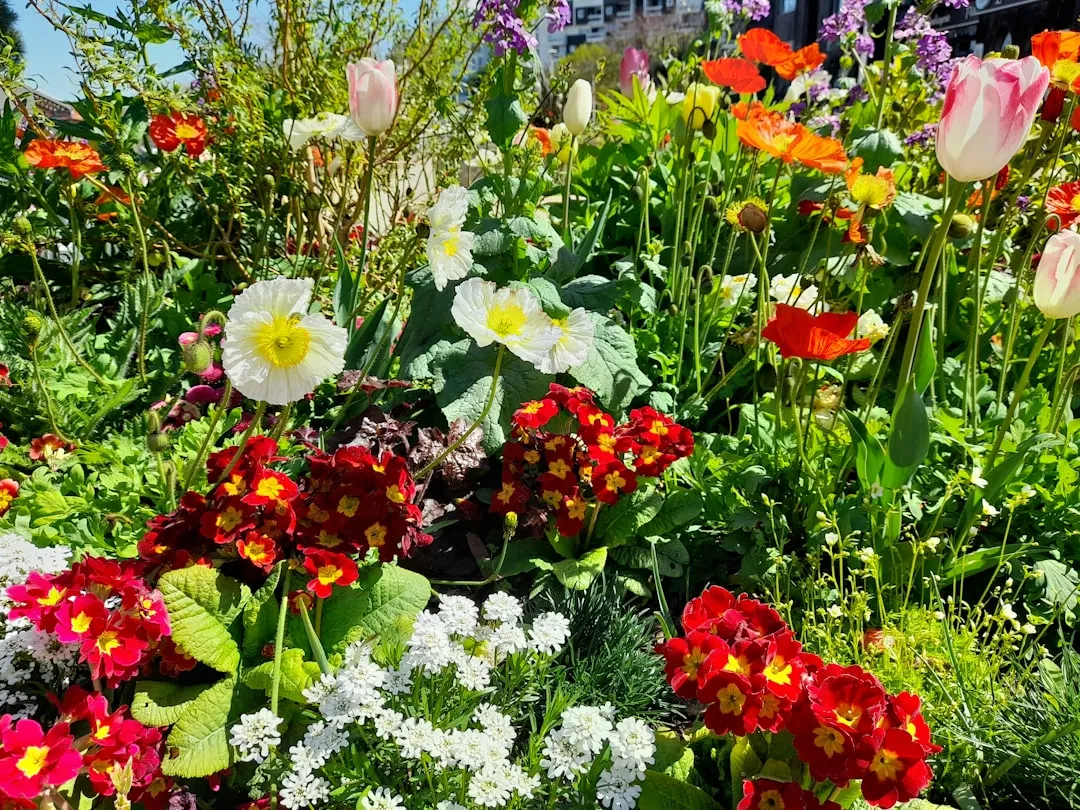
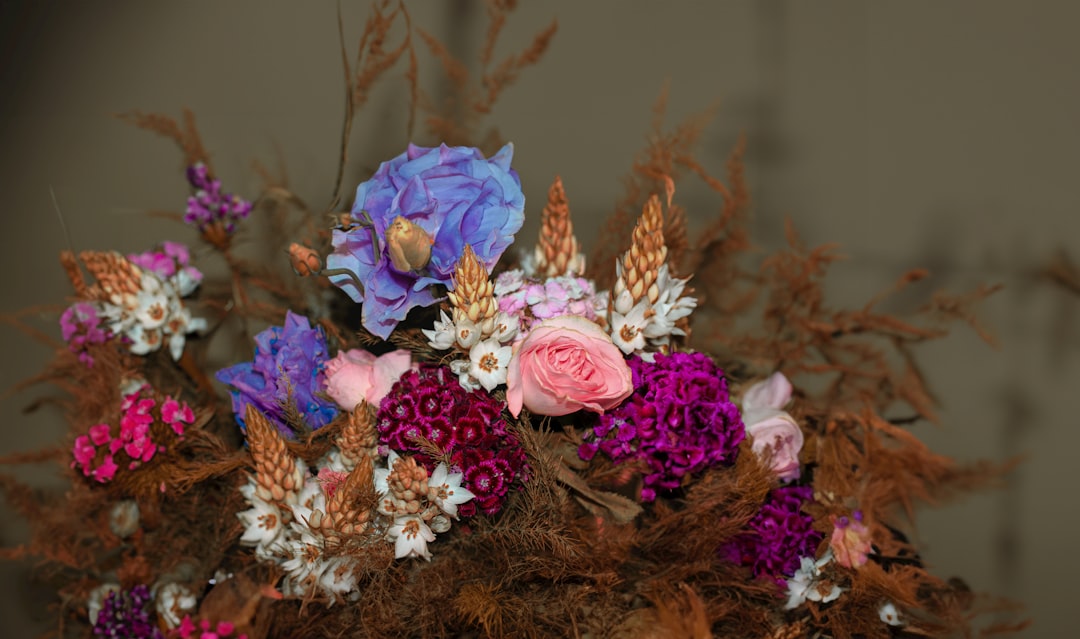
The butterfly rose has a unique charm that sets it apart from other roses. Its petals are often a delicate blend of colors, resembling the wings of a butterfly fluttering in the breeze. The vibrant hues can range from soft pastels to bold and bright tones, adding a splash of color to any garden.
One of the most significant advantages of the butterfly rose is its disease resistance. Unlike some other rose varieties that are prone to various fungal and bacterial diseases, the butterfly rose has a natural immunity. This means less time spent on pest control and disease prevention, allowing gardeners to focus on enjoying the beauty of their plants. For example, black spot, a common rose disease that can cause unsightly black spots on the leaves and eventually lead to defoliation, rarely affects the butterfly rose. Similarly, powdery mildew, which can make the leaves look like they are covered in a white powder, is also not a major concern for this resilient flower.
Another remarkable feature of the butterfly rose is its ability to tolerate humidity. In regions with high humidity levels, many plants struggle to survive, but the butterfly rose thrives. It has adapted to these conditions over time, and its robust constitution allows it to grow and bloom even in the most humid environments. This makes it an ideal choice for gardeners in tropical and subtropical regions.
When it comes to growth, the butterfly rose has an interesting characteristic. It grows taller the more shelter it is given. Providing a sheltered spot in the garden, such as near a fence or a wall, can encourage vertical growth. The shelter protects the plant from strong winds, which can otherwise stunt its growth. As the plant grows taller, it can create a beautiful backdrop in the garden or be used to add height to a flower bed.
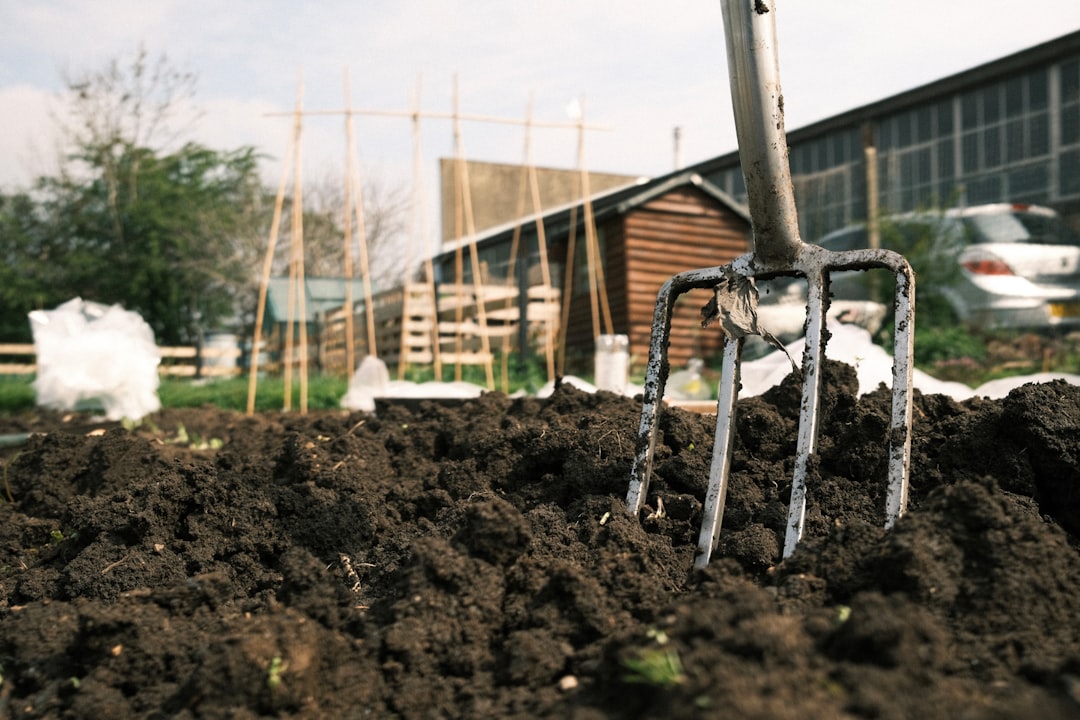
Now, let's talk about how to plant and care for the butterfly rose. First, choose a location that receives at least six hours of sunlight per day. The soil should be well - drained, rich in organic matter, and have a slightly acidic to neutral pH. Dig a hole that is twice as wide and just as deep as the root ball of the rose plant. Place the plant in the hole, making sure the bud union (the swollen area where the rose is grafted onto the rootstock) is at or slightly above the soil level. Backfill the hole with soil, gently firming it around the plant.
Watering is crucial for the health of the butterfly rose. Water deeply and regularly, especially during the first few weeks after planting to help the roots establish. Once the plant is established, water when the top inch of soil feels dry. Avoid overhead watering, as this can increase the risk of disease. Instead, water at the base of the plant.
Fertilizing is also important. Use a balanced rose fertilizer in the spring when new growth appears. Follow the instructions on the fertilizer package for the correct application rate. You can also add a layer of compost or well - rotted manure around the base of the plant in the fall to enrich the soil.
Pruning is necessary to keep the butterfly rose looking its best. Prune in late winter or early spring before new growth begins. Remove any dead, damaged, or diseased branches. You can also shape the plant by cutting back overgrown branches. Aim to create an open, vase - shaped plant to allow for good air circulation.
In conclusion, the butterfly rose is a wonderful addition to any garden. Its disease resistance, tolerance to humidity, and unique growth characteristics make it a low - maintenance yet beautiful plant. By following the proper planting and care techniques, you can enjoy the splendor of the butterfly rose for years to come.
New