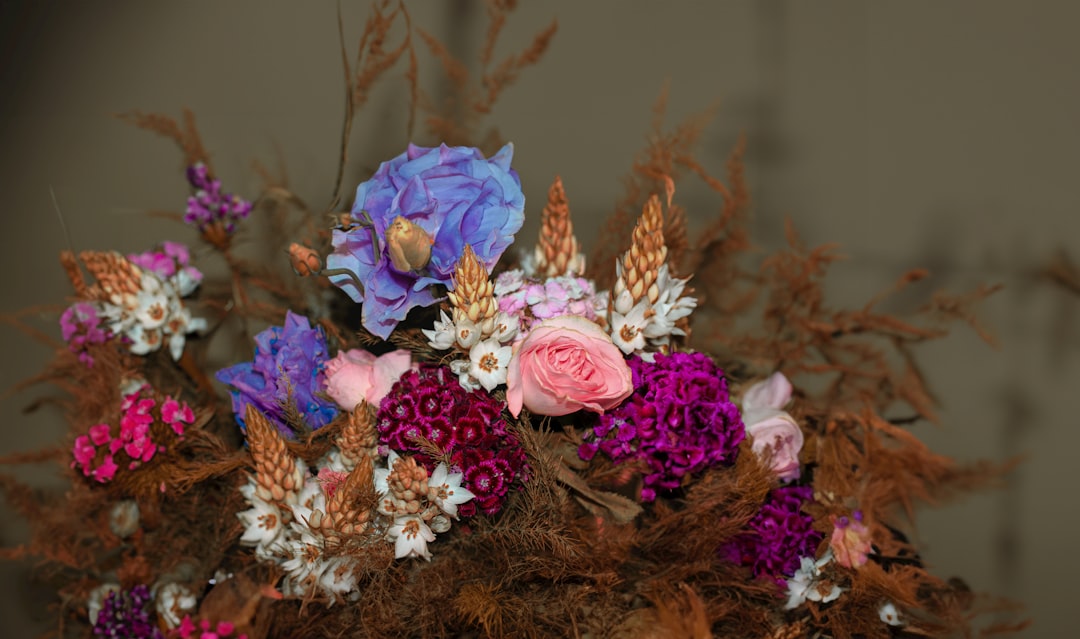
Dahlias, with their vibrant and diverse array of colors, are a delightful addition to any flower garden. These bulbs have the power to transform a mundane garden into a living rainbow, captivating the eyes of all who behold them. However, growing dahlias successfully is not always a walk in the park. There are several common mistakes that gardeners often make, which can hinder the growth and blooming of these beautiful flowers. In this article, we will explore the five most common mistakes when growing dahlias and discuss what you can do to ensure they produce a full show of blooms.
Mistake 1: Planting in the Wrong Location
One of the most crucial factors in growing healthy dahlias is choosing the right location for planting. Dahlias thrive in full sun, which means they need at least six to eight hours of direct sunlight per day. Planting them in a shady or partially shaded area can result in weak, leggy plants that produce fewer blooms. Additionally, dahlias prefer well - drained soil. If the soil is too heavy or retains too much water, the bulbs can rot, leading to the death of the plant. Before planting, make sure to prepare the soil by adding organic matter such as compost or well - rotted manure to improve its drainage and fertility.
Mistake 2: Over - or Under - watering
Watering is another area where many gardeners go wrong when growing dahlias. Over - watering can be just as harmful as under - watering. Dahlias need a consistent supply of moisture, but they do not like to sit in waterlogged soil. During the growing season, water the plants deeply once or twice a week, depending on the weather conditions. In hot, dry weather, you may need to water more frequently. To determine if the plants need water, stick your finger into the soil about an inch deep. If it feels dry, it's time to water. On the other hand, under - watering can cause the plants to wilt and the blooms to be smaller and fewer in number.
Mistake 3: Not Fertilizing Properly
Fertilization is essential for the healthy growth and blooming of dahlias. However, using the wrong type of fertilizer or applying it at the wrong time can do more harm than good. Dahlias are heavy feeders and require a balanced fertilizer with a ratio of nitrogen, phosphorus, and potassium (NPK) such as 10 - 10 - 10 or 15 - 15 - 15. Apply a slow - release fertilizer when planting the bulbs and then supplement with a liquid fertilizer every few weeks during the growing season. Avoid over - fertilizing, as this can lead to excessive foliage growth at the expense of blooms.
Mistake 4: Ignoring Pest and Disease Control
Dahlias are susceptible to a variety of pests and diseases, including aphids, spider mites, slugs, and powdery mildew. Ignoring these problems can quickly lead to the decline of the plants. Regularly inspect your dahlias for signs of pests or diseases. If you notice any issues, take immediate action. For pests, you can use insecticidal soaps or neem oil. For diseases, make sure to provide good air circulation around the plants and avoid overhead watering, as this can promote the growth of fungi. If the problem persists, consult a local gardening expert for advice.
Mistake 5: Not Pruning or Deadheading
Pruning and deadheading are important practices for promoting the growth and blooming of dahlias. Pruning helps to shape the plant, remove any damaged or diseased branches, and encourage bushier growth. Pinch off the tips of the main stems when the plants are about 12 inches tall to encourage lateral branching. Deadheading, which is the removal of spent blooms, not only keeps the plant looking tidy but also redirects the plant's energy towards producing new blooms. Regularly remove the faded flowers to ensure a continuous display of color throughout the growing season.
In conclusion, growing dahlias can be a rewarding experience if you avoid these common mistakes. By choosing the right location, watering and fertilizing properly, controlling pests and diseases, and practicing pruning and deadheading, you can ensure that your dahlias produce a full show of beautiful blooms. So, roll up your sleeves, get out into the garden, and let these colorful bulbs bring a touch of magic to your outdoor space.
New