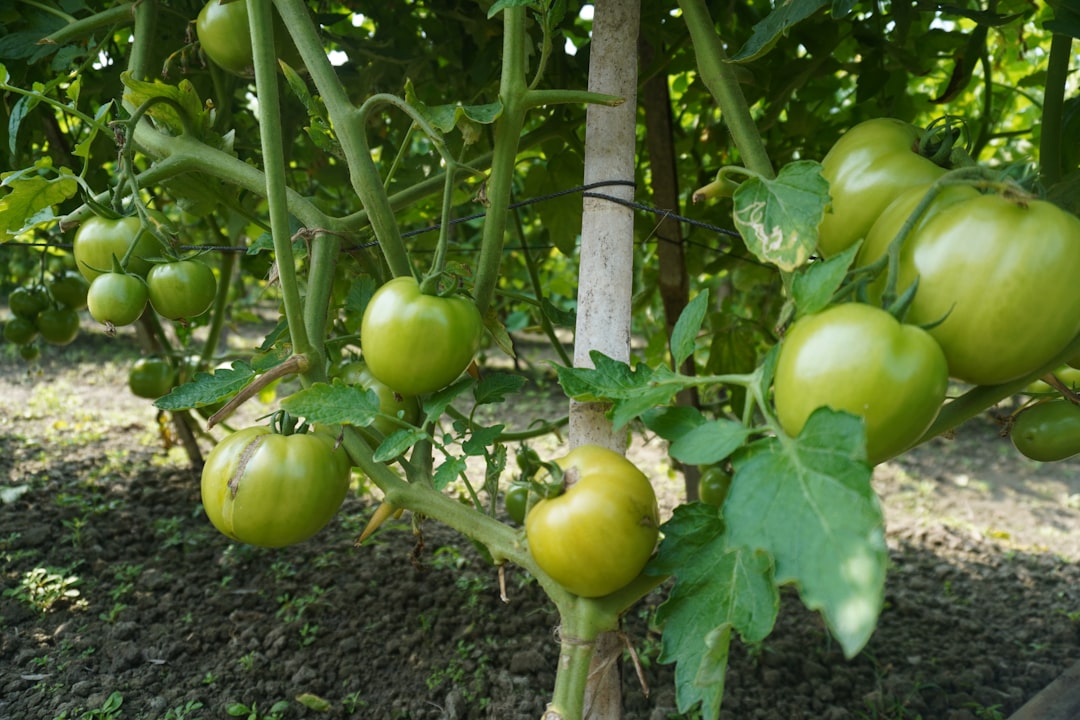
When it comes to creating a beautiful landscape, perennials play a crucial role, and the rue plant is one such gem. In this article, we will explore essential tips for growing a rue plant, including when and how to plant it to achieve a visually appealing garden.
The rue plant, scientifically known as Ruta graveolens, is a hardy perennial that offers not only aesthetic value but also some practical uses. It has a long - standing history in traditional medicine and has been used for various purposes throughout the ages. However, in the context of gardening, its unique foliage and delicate flowers make it a popular choice for many gardeners.
Understanding the Rue Plant
The rue plant typically grows to a height of about 2 - 3 feet and has bluish - green, fern - like leaves. Its small, yellow flowers bloom in the summer, adding a splash of color to the garden. Rue is known for its strong, somewhat pungent aroma, which can act as a natural deterrent for some pests. This makes it a great addition to a garden, especially if you are looking for natural pest control methods.
Choosing the Right Location
One of the first steps in growing a healthy rue plant is selecting the appropriate location. Rue thrives in full sun, so choose a spot in your garden that receives at least 6 - 8 hours of direct sunlight per day. It can tolerate some light shade, but too much shade will result in leggy growth and fewer flowers. The soil should be well - drained. Rue does not like wet feet, and waterlogged soil can lead to root rot. If your soil is heavy clay, consider amending it with sand or compost to improve drainage.
When to Plant Rue
The best time to plant rue is in the spring, after the last frost has passed. This gives the plant enough time to establish its root system before the heat of summer. You can start rue from seeds indoors about 6 - 8 weeks before the last expected frost date. Sow the seeds in a seed - starting mix, barely covering them with soil as they need light to germinate. Keep the soil moist but not soggy, and place the seed tray in a warm, sunny location. Once the seedlings have developed a few sets of true leaves, they can be transplanted outdoors.
If you prefer to use transplants, you can purchase them from a local nursery. When transplanting, dig a hole that is slightly larger than the root ball of the plant. Gently remove the plant from its container, place it in the hole, and backfill with soil. Water the plant thoroughly after transplanting to help settle the soil around the roots.
Planting and Care
When planting rue, space the plants about 12 - 18 inches apart to allow for proper air circulation. This helps prevent the development of fungal diseases. Water the rue plant regularly during its first growing season to help it establish a strong root system. Once established, rue is relatively drought - tolerant and only needs watering during extended periods of dry weather.
Fertilizing rue is not usually necessary, as it can grow well in poor to average soil. However, if you want to give your plant a boost, you can apply a balanced, slow - release fertilizer in the spring. Avoid over - fertilizing, as this can lead to excessive foliage growth at the expense of flowers.
Pruning is an important part of rue plant care. In the early spring, you can prune back any dead or damaged branches. You can also shape the plant to maintain its desired size and appearance. After the flowers have faded, you can deadhead the spent blooms to encourage more flowering.
Dealing with Pests and Diseases
As mentioned earlier, rue's strong aroma helps repel many pests. However, it can still be susceptible to some problems. Aphids may occasionally infest the plant, but you can control them by spraying the plant with a strong stream of water or using an insecticidal soap. Rue can also be affected by fungal diseases, especially in humid conditions. To prevent these diseases, make sure the plant has good air circulation and avoid overhead watering.
Using Rue in the Landscape
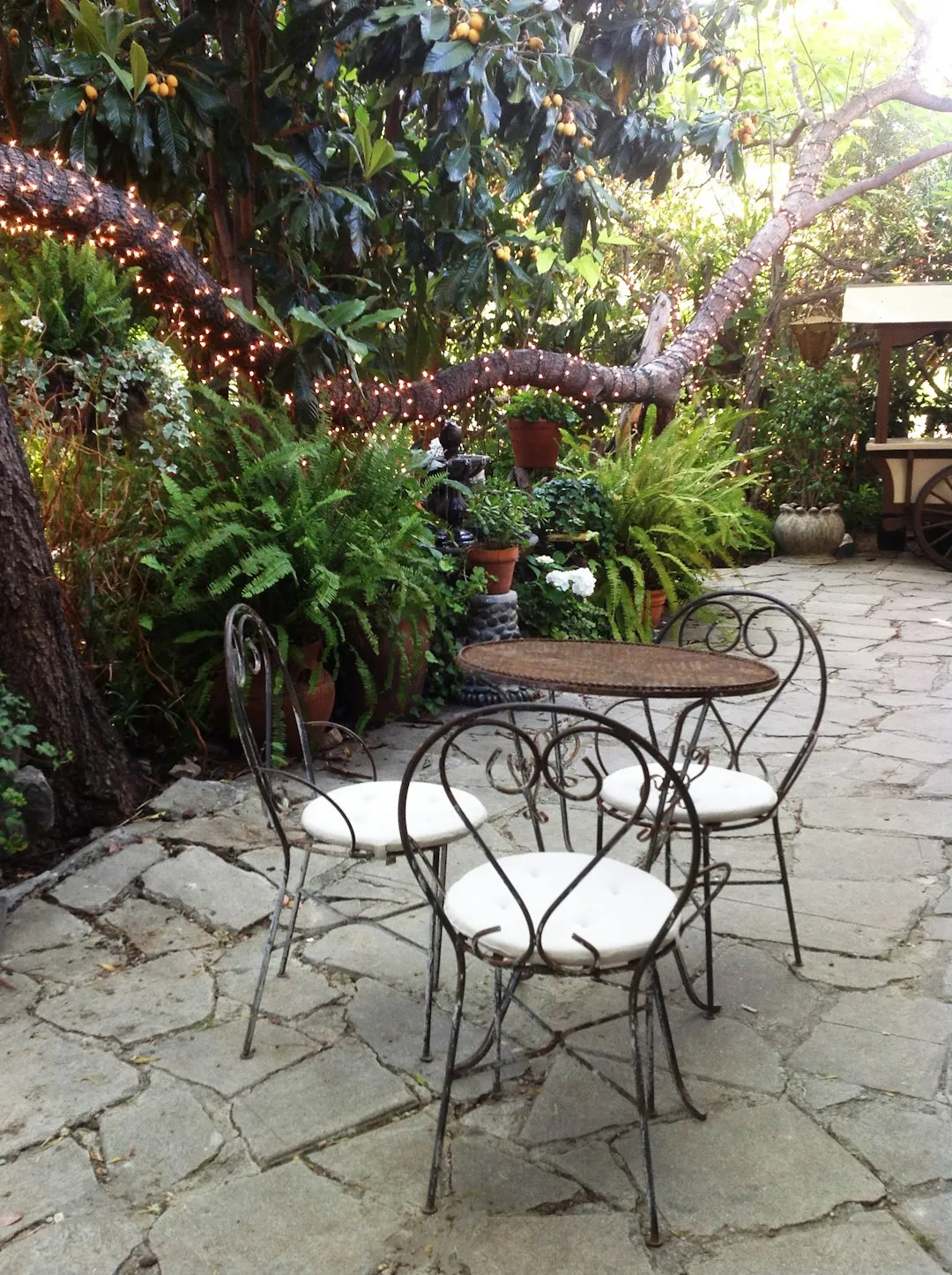
Rue can be used in various ways in the landscape. It makes an excellent border plant, adding texture and color to the edges of flower beds. You can also plant it in containers on your patio or balcony. Its unique foliage provides an interesting contrast to other plants with different leaf shapes and colors. Additionally, rue can be used in herb gardens, where it can be combined with other herbs for both aesthetic and practical purposes.
In conclusion, growing a rue plant can be a rewarding experience for any gardener. By following these essential tips on when and how to plant it, as well as proper care and maintenance, you can enjoy a beautiful and healthy rue plant in your landscape for years to come.
New