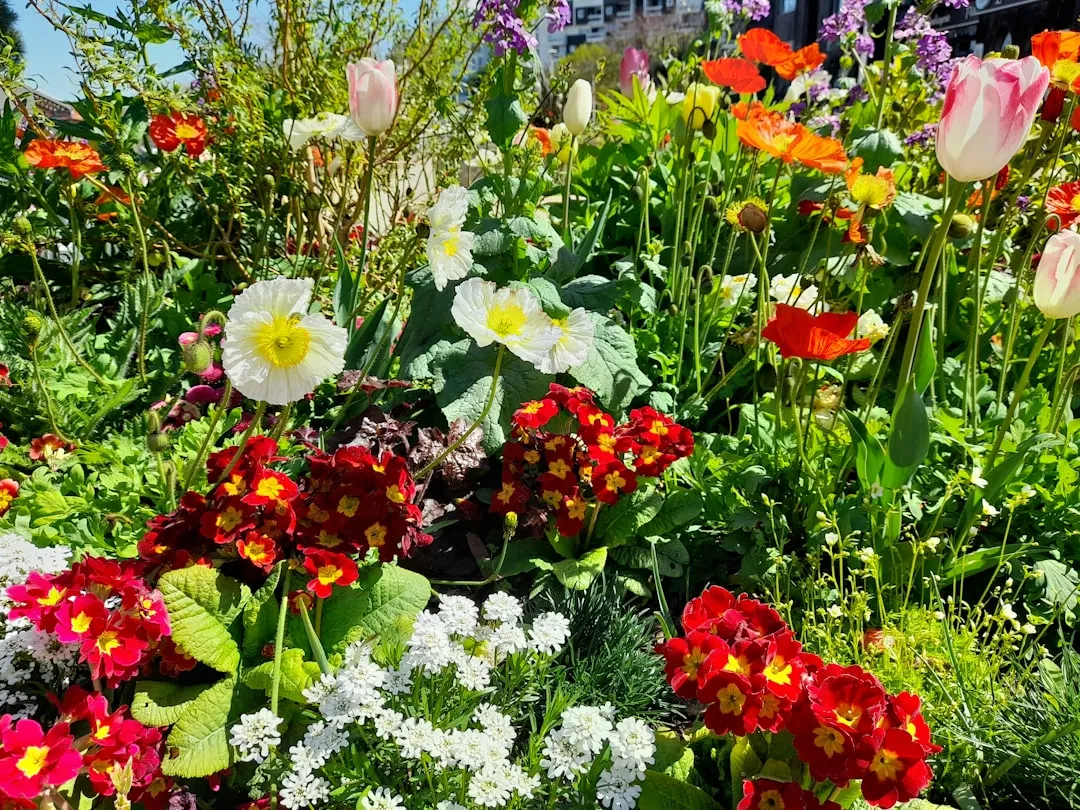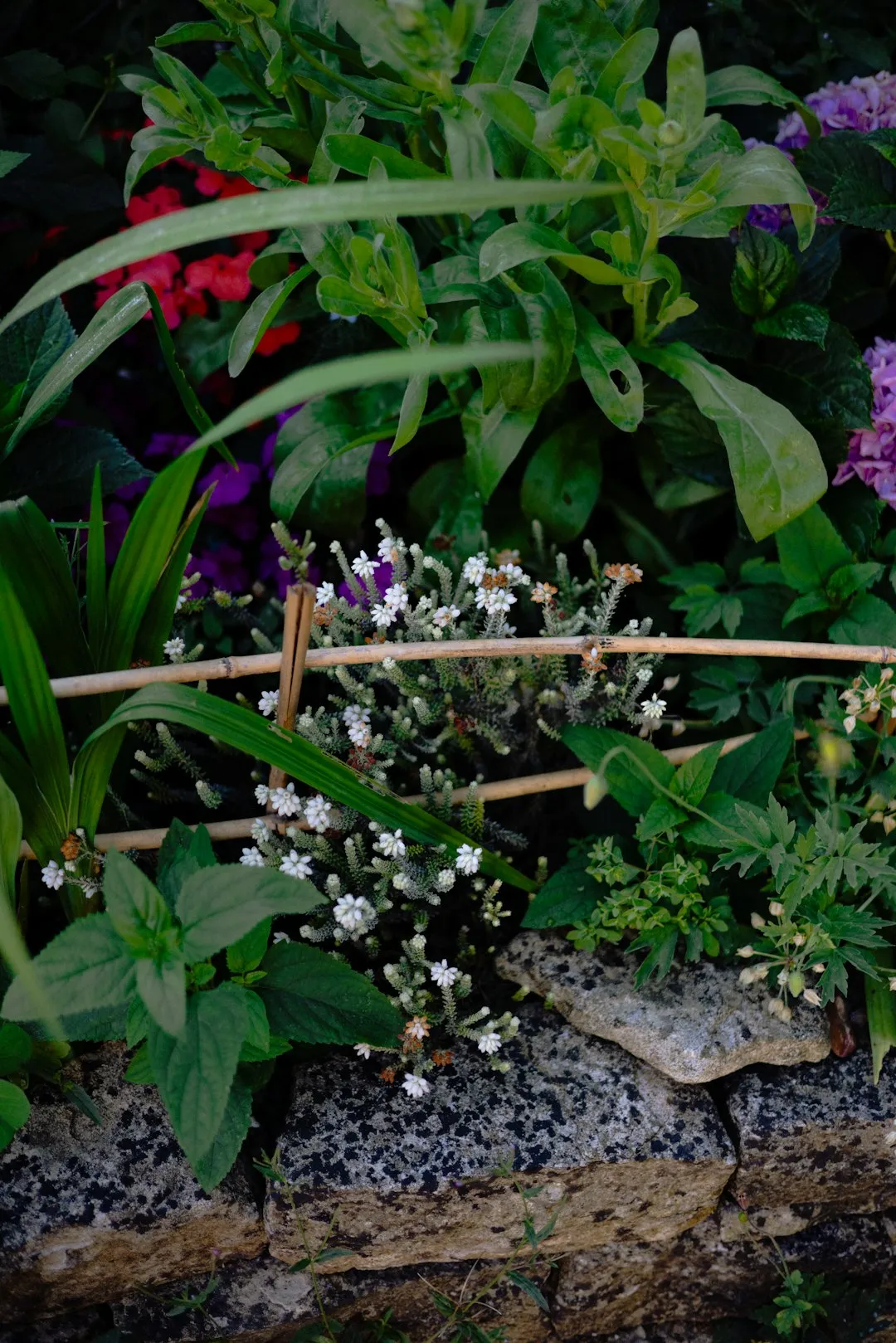
When it comes to creating a captivating landscape, especially during the colder months of winter and the rejuvenating days of spring, perennials play a crucial role. Among these remarkable plants, hellebores stand out as true gems that can transform any garden into a vibrant and colorful haven. In this article, we will explore some stunning hellebore varieties that are sure to brighten up your winter and spring landscape with their beautiful flowers.
Hellebores, also known as Lenten roses, are a group of perennial plants that belong to the Ranunculaceae family. They are native to Europe and Asia and have been cultivated for centuries for their ornamental value. These plants are known for their ability to bloom in the late winter or early spring, when most other plants are still dormant. Their flowers come in a wide range of colors, including white, pink, purple, red, and yellow, and they often have intricate markings and patterns.
One of the most popular hellebore varieties is the Helleborus orientalis, also known as the Oriental hellebore. This variety is native to Turkey and the Caucasus region and is known for its large, cup-shaped flowers that come in a variety of colors. The flowers of the Helleborus orientalis typically bloom in late winter or early spring and can last for several weeks. This variety is also relatively easy to grow and can tolerate a wide range of soil conditions.
Another stunning hellebore variety is the Helleborus niger, also known as the Christmas rose. This variety is native to central and southern Europe and is known for its pure white flowers that bloom in the winter. The flowers of the Helleborus niger are often large and fragrant, and they can add a touch of elegance and beauty to any winter landscape. This variety is also relatively easy to grow and can tolerate partial shade and moist, well-drained soil.
The Helleborus foetidus, also known as the stinking hellebore, is another interesting hellebore variety. This variety is native to western and southern Europe and is known for its unique foliage and small, greenish-yellow flowers. The foliage of the Helleborus foetidus is deeply divided and has a distinctive odor, which gives the plant its common name. Despite its unpleasant smell, the Helleborus foetidus is a beautiful and hardy plant that can add a touch of texture and interest to any garden.
In addition to these popular hellebore varieties, there are many other types of hellebores that are worth considering for your garden. Some of these include the Helleborus argutifolius, also known as the Corsican hellebore, which has large, leathery leaves and white or pale green flowers; the Helleborus x hybridus, which is a hybrid variety that comes in a wide range of colors and flower shapes; and the Helleborus thibetanus, which is native to China and has pink or purple flowers.
When it comes to growing hellebores, there are a few things to keep in mind. First, hellebores prefer partial shade and moist, well-drained soil. They can tolerate full sun in cooler climates, but in warmer regions, they may need some protection from the hot afternoon sun. Second, hellebores are relatively low-maintenance plants, but they do require regular watering, especially during the growing season. Third, hellebores are toxic to humans and animals, so it is important to handle them with care and keep them out of reach of children and pets.
In conclusion, hellebores are a wonderful addition to any garden, especially during the winter and spring months. Their colorful flowers and unique foliage can add a touch of beauty and interest to any landscape, and they are relatively easy to grow and care for. Whether you are a seasoned gardener or a beginner, consider adding some hellebores to your garden this year and enjoy their beauty for years to come.
New