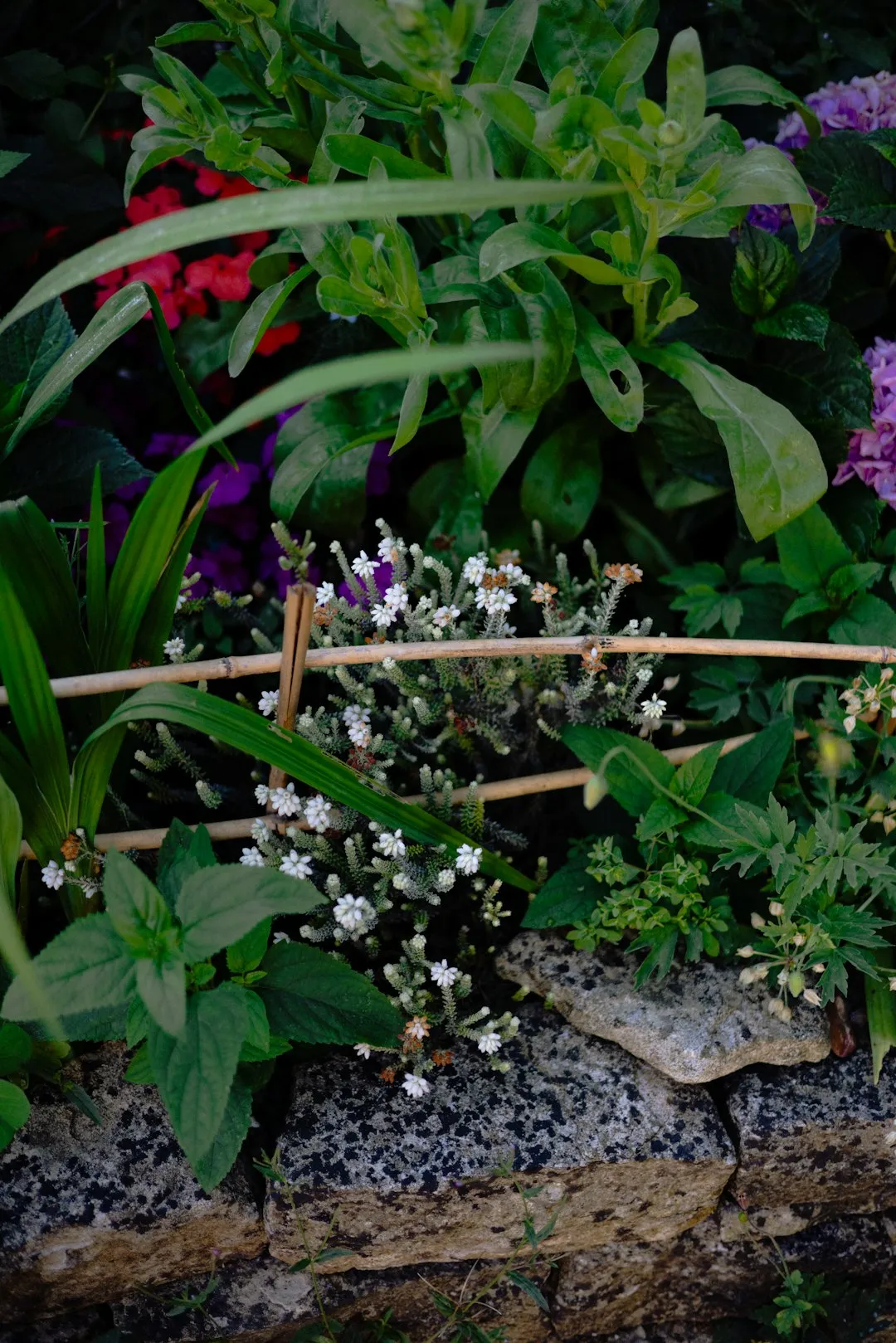
Penstemons, those delightful perennials, are truly a gem when it comes to enhancing the beauty of a garden. With their cottage - style blooms, they bring a touch of old - world charm and a burst of color to any outdoor space. In this article, we will explore everything you need to know about these wonderful plants, from their characteristics to how to care for them.
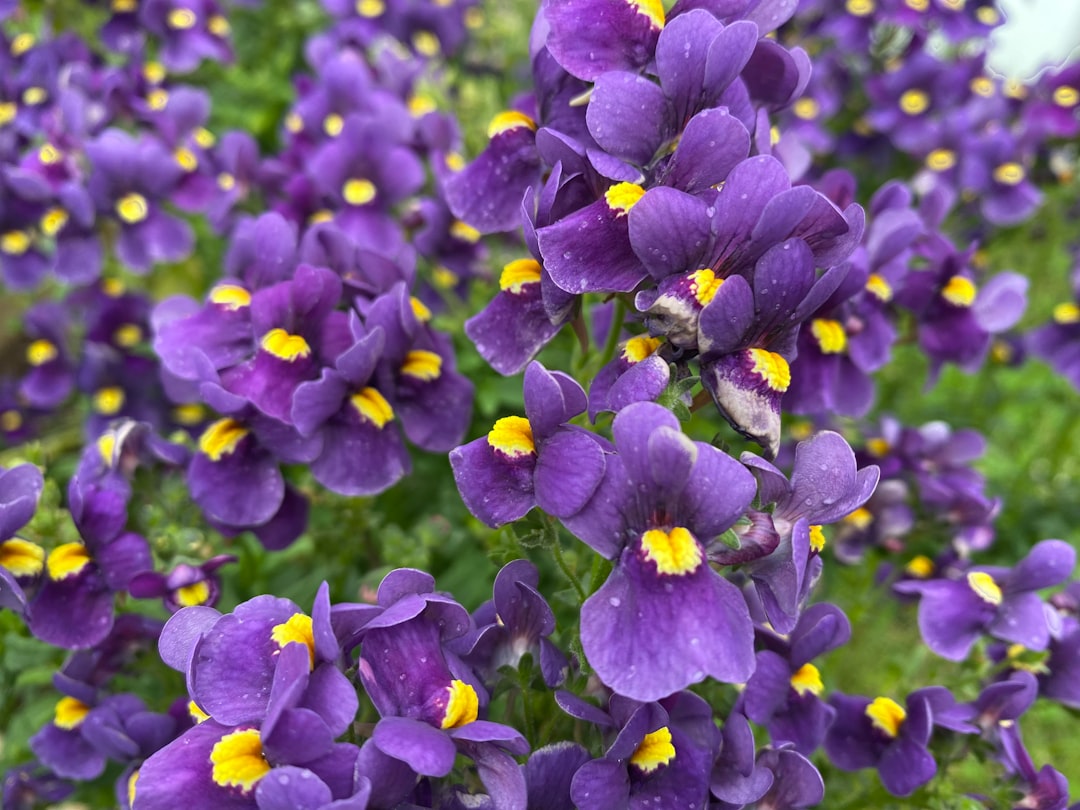
Penstemons belong to the Plantaginaceae family and are native to North and Central America. There are over 250 species of penstemons, each with its own unique characteristics. Some have tubular flowers, while others have more bell - shaped blooms. The colors range from vibrant purples, pinks, and reds to softer pastels like lavender and peach. These flowers are not only visually appealing but also attract pollinators such as bees and hummingbirds, making them an excellent addition to a wildlife - friendly garden.
One of the great things about penstemons is that they are perennials. This means that they come back year after year, saving you the trouble of replanting every season. They are also relatively low - maintenance plants, which is a plus for busy gardeners. However, like all plants, they do have specific needs to thrive.
### Choosing the Right Location
Penstemons love sunlight. They should be planted in an area that receives at least six hours of direct sunlight per day. A south - facing or west - facing garden bed is ideal. Good drainage is also crucial for penstemons. They do not like to have their roots sitting in water, as this can lead to root rot. If your soil has poor drainage, you can improve it by adding organic matter such as compost or well - rotted manure. Raised beds are also a great option for penstemons, as they provide better drainage.
### Soil Requirements
Penstemons prefer slightly acidic to neutral soil with a pH range of 6.0 to 7.0. The soil should be rich in organic matter and well - drained. Before planting, it is a good idea to test your soil to determine its pH level. You can purchase a soil testing kit at your local garden center. If your soil is too acidic, you can add lime to raise the pH. If it is too alkaline, you can add sulfur to lower it.
### Planting Penstemons
When planting penstemons, dig a hole that is twice as wide and just as deep as the root ball of the plant. Gently remove the plant from its container and place it in the hole. Backfill the hole with soil, making sure to firm it gently around the base of the plant. Water the plant thoroughly after planting to help settle the soil around the roots. Space the plants about 12 to 18 inches apart to allow for proper air circulation.
### Watering
Penstemons are drought - tolerant once established, but they do need regular watering during the first growing season to help them develop a strong root system. Water deeply once or twice a week, rather than giving them frequent shallow waterings. This encourages the roots to grow deeper into the soil. During hot, dry periods, you may need to water more frequently. However, be careful not to overwater, as this can lead to root problems.
### Fertilizing
Penstemons do not require a lot of fertilizer. A light application of a balanced fertilizer in the spring, just as new growth begins, is usually sufficient. You can use a slow - release granular fertilizer or a liquid fertilizer diluted according to the package instructions. Avoid over - fertilizing, as this can result in excessive foliage growth at the expense of flowers.
### Pruning
Pruning penstemons is important to keep them looking their best and to encourage new growth. After the first flush of blooms has faded, you can deadhead the spent flowers. This involves removing the faded flowers just above a set of healthy leaves. Deadheading not only makes the plant look neater but also encourages the plant to produce more flowers. In the fall, you can cut back the stems to about 3 to 4 inches above the ground. This helps the plant conserve energy during the winter months.
### Pests and Diseases
Penstemons are generally resistant to pests and diseases. However, they can be susceptible to aphids, spider mites, and powdery mildew. To prevent pest problems, keep the garden clean and free of debris. You can also use insecticidal soap or neem oil to control aphids and spider mites. Powdery mildew can be prevented by providing good air circulation around the plants and avoiding overhead watering.
In conclusion, penstemons are a wonderful addition to any garden. Their beautiful cottage - style blooms, low - maintenance nature, and ability to attract pollinators make them a popular choice among gardeners. By following the tips outlined in this article, you can successfully grow and care for these lovely perennials in your own garden.
New