Annual flowers bring a vibrant and ever - changing beauty to gardens, and among them, lavatera stands out as a remarkable choice. When planted in full sun, lavatera has the ability to infuse a tropical essence into any garden setting, thanks to its hibiscus - like blooms. These flowers are not only visually stunning but also relatively easy to grow, making them a favorite among both novice and experienced gardeners.
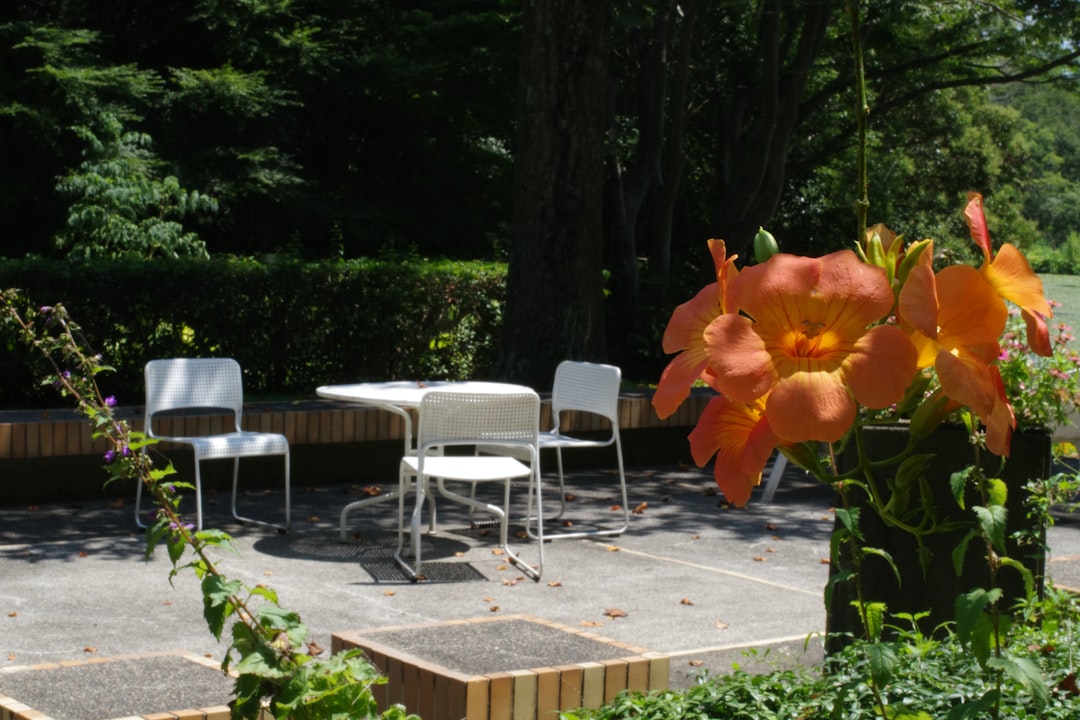
Lavatera, also known as tree mallow, belongs to the Malvaceae family. Its large, showy flowers come in a variety of colors, including shades of pink, white, and purple. The petals are often soft and delicate, with a texture that is both inviting and alluring. The resemblance to hibiscus flowers is quite striking, with their large, open faces and prominent stamens in the center. This similarity gives the garden an exotic feel, as if you've transported yourself to a tropical paradise.
One of the key advantages of growing lavatera is its adaptability to full - sun conditions. Full sun provides the energy that the plant needs to produce an abundance of flowers. When placed in a sunny spot, lavatera thrives and rewards the gardener with a continuous display of blooms throughout the growing season. The sun also helps to strengthen the stems of the plant, making it more resistant to wind and other environmental factors.
To start growing lavatera in your garden, you first need to choose the right location. As mentioned, full sun is essential. The soil should be well - drained, as lavatera does not tolerate waterlogged conditions. You can prepare the soil by adding organic matter such as compost or well - rotted manure. This will improve the soil structure and provide the necessary nutrients for the plant to grow healthy and strong.
Seeds are the most common way to propagate lavatera. You can start the seeds indoors about 6 - 8 weeks before the last frost date in your area. Fill a seed tray with a good quality seed - starting mix and plant the seeds about 1/4 inch deep. Keep the soil moist but not soggy, and place the tray in a warm, sunny location. Once the seedlings have developed a few sets of true leaves, they can be transplanted outdoors.
When transplanting, make sure to space the plants about 12 - 18 inches apart. This will give them enough room to grow and spread. Water the plants thoroughly after transplanting to help them establish their roots in the new location. As the plants grow, you may need to provide some support, especially if they are in a windy area. You can use stakes or a trellis to keep the plants upright.
Another important aspect of lavatera care is regular deadheading. Deadheading is the process of removing spent flowers from the plant. This not only keeps the plant looking tidy but also encourages the production of new flowers. By removing the old flowers, the plant can focus its energy on producing new buds and blooms. You can simply pinch off the spent flowers with your fingers or use a pair of pruning shears.
Lavatera is also relatively pest - and disease - resistant. However, like any plant, it can be susceptible to certain problems. Aphids are one of the common pests that may attack lavatera. You can control aphids by spraying the plants with a strong stream of water or using an insecticidal soap. Powdery mildew can also be an issue, especially in humid conditions. To prevent powdery mildew, make sure there is good air circulation around the plants and avoid overhead watering.
In addition to its aesthetic appeal, lavatera also attracts pollinators such as bees and butterflies. These pollinators play a crucial role in the ecosystem, as they help to fertilize other plants in the garden. By growing lavatera, you are not only adding beauty to your garden but also supporting the local wildlife.
As the growing season comes to an end, you can collect the seeds from the lavatera plants for the next year. Allow the seed pods to dry on the plant, and then carefully remove them. Store the seeds in a cool, dry place until it's time to plant them again. This way, you can enjoy the tropical charm of lavatera in your garden year after year.
In conclusion, lavatera is a wonderful annual flower that can transform your garden into a tropical oasis. Its hibiscus - like blooms, adaptability to full - sun conditions, and ease of care make it a great choice for any gardener. Whether you have a small urban garden or a large rural plot, lavatera can add a touch of the exotic and bring a sense of joy and beauty to your outdoor space.
New