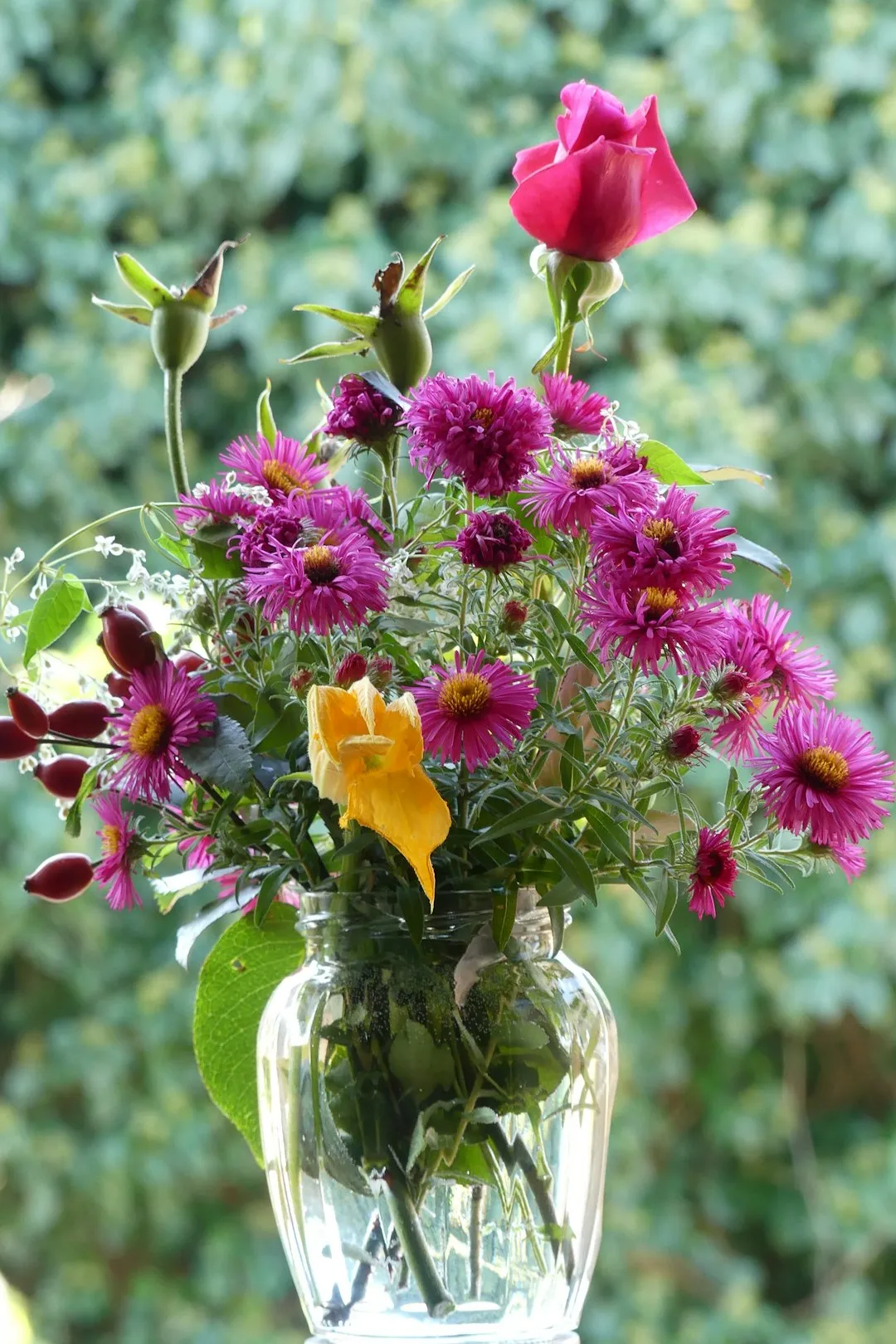
As the chill of winter sets in, many gardens fall into a state of dormancy, their once - vibrant colors fading into a sea of browns and grays. However, there's a secret weapon that can turn your winter garden into a haven of color and life: winter - blooming perennials. These hardy plants not only survive the cold months but also thrive, adding a splash of color to the otherwise dreary winter landscape.
One of the most popular winter - blooming perennials is the Hellebore, also known as the Christmas rose. Despite its name, it's not a rose at all but belongs to the Ranunculaceae family. Hellebores are known for their elegant, cup - shaped flowers that come in a variety of colors, including white, pink, purple, and green. They typically bloom from late winter to early spring, making them a perfect addition to any winter garden. These plants prefer partial shade and well - drained soil. They are also deer - resistant, which is a bonus for gardeners in areas with a high deer population.
Another excellent choice is the Snowdrop (Galanthus). These delicate, bell - shaped flowers are one of the first signs of spring, often poking through the snow in late winter. Snowdrops are small, usually only reaching about 6 inches in height, but they make a big impact when planted in large drifts. They naturalize easily, meaning they will spread and multiply over time, creating a beautiful carpet of white in your garden. Snowdrops prefer full to partial shade and moist, well - drained soil. They are also very low - maintenance, requiring little more than an annual top - dressing of compost.
Witch Hazel (Hamamelis) is a shrub that offers both beauty and fragrance in the winter garden. Its spidery, ribbon - like flowers come in shades of yellow, orange, and red and emit a sweet, spicy scent. Witch Hazel blooms from late fall to early winter, adding a touch of warmth to the cold season. This plant prefers full sun to partial shade and moist, acidic soil. It can grow up to 20 feet tall, so it's important to give it enough space in your garden. Witch Hazel is also a great choice for attracting pollinators, as its flowers provide a valuable source of nectar when other food sources are scarce.
The Winter Aconite (Eranthis hyemalis) is a small, but mighty, winter - blooming perennial. Its bright yellow, buttercup - like flowers appear in late winter, often before the snow has completely melted. Winter Aconite forms a dense mat of foliage and flowers, creating a cheerful display in the garden. It prefers full sun to partial shade and well - drained soil. Like Snowdrops, it naturalizes easily and can quickly fill in bare spots in your garden.
When planning your winter garden with these perennials, it's important to consider their spacing and placement. Make sure to plant them in areas where they will receive the appropriate amount of sunlight and have enough room to grow. You can also combine different varieties to create a more diverse and interesting display. For example, plant Hellebores in the front of a border, Snowdrops under trees or shrubs, and Witch Hazel as a focal point in the garden.
Soil preparation is also crucial for the success of your winter - blooming perennials. Amend the soil with organic matter, such as compost or well - rotted manure, to improve its fertility and drainage. This will help the plants establish strong roots and thrive in the cold winter months.
Watering is another important aspect of caring for these perennials. While they are generally more drought - tolerant than summer - blooming plants, they still need regular watering, especially during dry spells in the winter. However, be careful not to over - water, as this can lead to root rot.
In conclusion, adding winter - blooming perennials to your garden is a wonderful way to bring color and life to the colder months. Whether you choose the elegant Hellebores, the delicate Snowdrops, the fragrant Witch Hazel, or the cheerful Winter Aconite, these plants will transform your winter garden into a beautiful and inviting space. So, don't let the winter blues get you down. Start planning your winter garden today and enjoy the beauty of these amazing perennials all season long.
New