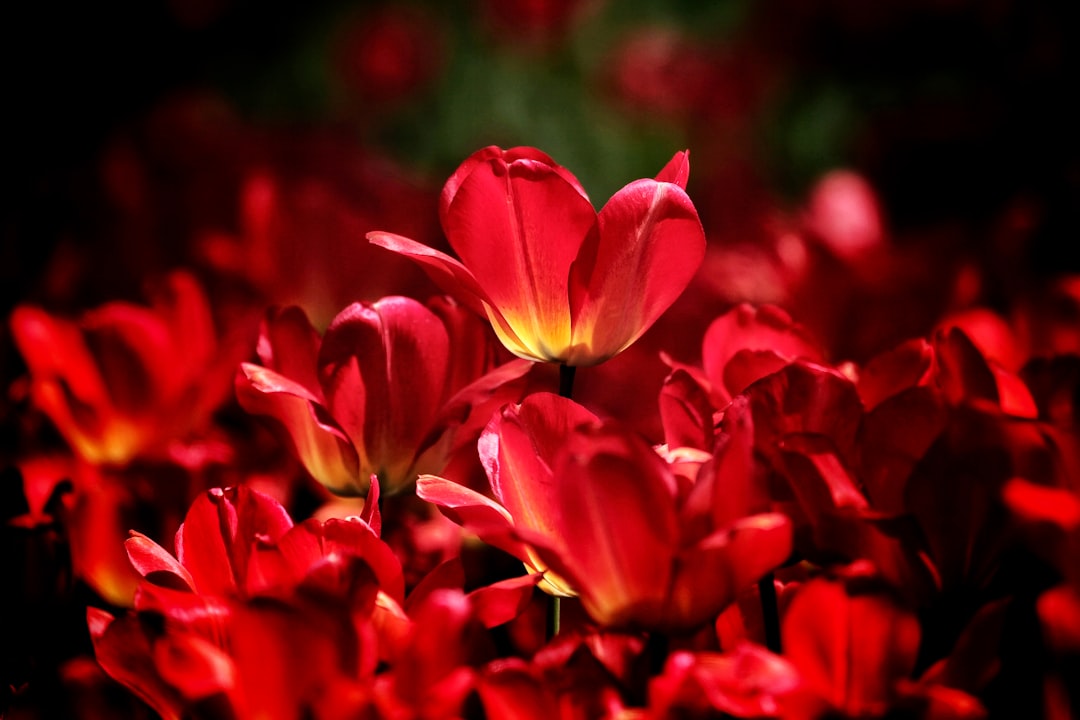
Dahlias, those vibrant and captivating perennials, bring a burst of color to gardens during the warmer months. In regions with milder climates, these beauties can thrive year - round. However, in colder areas, they face a harsh winter that can spell doom if not properly cared for. But fear not! With these five essential tips, you can ensure your dahlias survive the winter and come back even more glorious next season.
1. Timing is Everything
The first step in overwintering dahlias is to dig them up at the right time. Wait until after the first frost has blackened the foliage. This signals that the plant has started to go dormant. Usually, this occurs in late fall. It's important not to dig them up too early, as the tubers need time to fully mature. Once the foliage is blackened, cut the stems back to about 6 inches above the ground. This will make the digging process easier and reduce the risk of damage to the tubers.
When you're ready to dig, use a garden fork or shovel to carefully loosen the soil around the dahlia clump. Start a few inches away from the base of the plant to avoid piercing the tubers. Gently lift the clump out of the ground, being careful not to break any of the tubers. Shake off as much soil as possible, but don't wash the tubers at this stage, as excess moisture can lead to rot.
2. Cleaning and Inspecting
After digging up the dahlias, it's time to clean and inspect the tubers. Use a soft brush to remove any remaining soil. This will help you spot any signs of damage or disease. Look for soft spots, mold, or insect infestations. If you find any damaged tubers, cut them away with a sharp, clean knife. Make sure to disinfect the knife between cuts to prevent the spread of disease.
Once you've removed the damaged parts, allow the tubers to dry for a few days in a cool, dry, and well - ventilated area. This will help them form a protective layer and reduce the risk of rot during storage. You can lay them out on a tray or hang them in a mesh bag. Just make sure they're not touching each other to allow for proper air circulation.
3. Storage Conditions
Proper storage is crucial for the survival of your dahlias over the winter. You need to find a place that's cool, dark, and dry. A temperature between 40°F and 50°F (4°C and 10°C) is ideal. Basements, garages, or unheated sheds can be good options, as long as they don't get too cold or too damp.
There are several ways to store dahlias. One popular method is to place the tubers in a box filled with a dry medium such as peat moss, vermiculite, or sawdust. Make sure the tubers are completely covered to protect them from drying out. Another option is to store them in plastic bags with holes punched in them for ventilation. You can also use mesh bags, which allow for better air circulation.
Check on your stored dahlias regularly throughout the winter. If you notice any signs of mold or rot, remove the affected tubers immediately. You may also need to add a little moisture to the storage medium if it starts to dry out too much, but be careful not to overdo it.
4. Labeling
Labeling your dahlias is an often - overlooked but important step. As you dig up and store your tubers, make sure to label each one with the variety name. This will help you keep track of your different dahlias and ensure that you plant them in the right places next spring. You can use small tags or markers to label the boxes or bags.
Labeling also comes in handy if you plan to share or sell your dahlias. It makes it easier for others to identify the varieties they're getting. Plus, it adds a professional touch to your gardening efforts.
5. Preparing for Spring
As spring approaches, it's time to start thinking about getting your dahlias ready for planting. About a month before your last expected frost date, take the tubers out of storage and inspect them again. Look for any signs of new growth, such as small buds or shoots. If you see new growth, it's a good sign that the tubers are still alive and healthy.
You can start to wake up the tubers by placing them in a warm, bright area. You can also soak them in water for a few hours to rehydrate them. Once the danger of frost has passed, you can plant your dahlias in the garden. Make sure to choose a sunny spot with well - drained soil. Dig a hole that's deep enough to accommodate the tubers and cover them with soil. Water them well after planting, and watch as they start to grow and bloom once again.
In conclusion, overwintering dahlias may seem like a daunting task, but with these five tips, you can do it successfully. By following the right steps for digging, cleaning, storing, labeling, and preparing for spring, you can ensure that your dahlias survive the winter and bring beauty to your garden for years to come. So, don't let the cold weather stop you from enjoying these wonderful flowers. Take action now and give your dahlias the best chance of thriving.
New