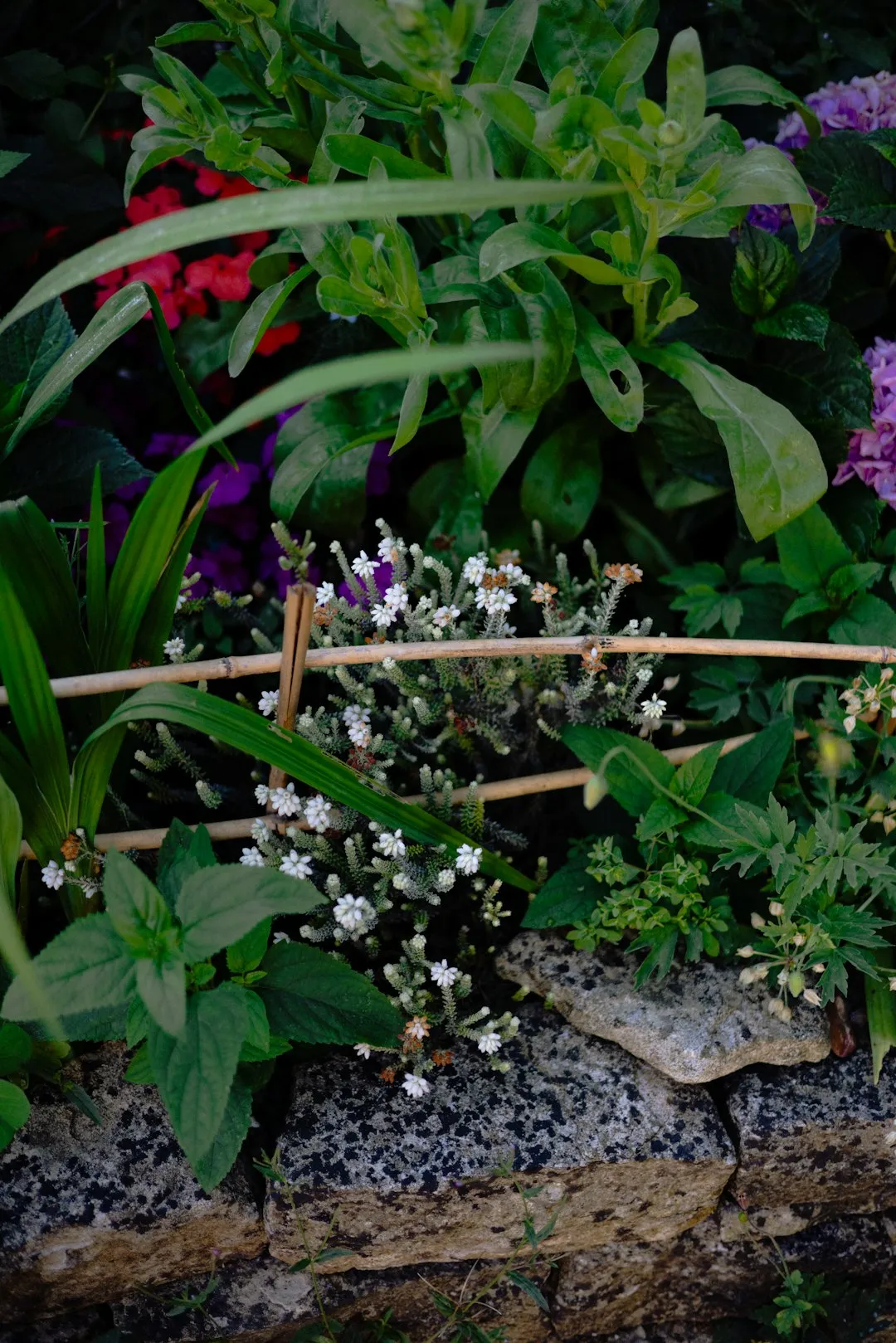
Annual flowers bring a vibrant splash of color to any garden, but did you know that you can regrow many of them from their seeds for free? This not only saves you money but also gives you a deeper connection to the gardening process. In this article, we'll explore the ins and outs of regrowing annuals from seeds, along with some tips for collecting and storing your own flower seeds.
### Why Regrow Annuals from Seeds?
There are several compelling reasons to regrow annuals from seeds. Firstly, it's cost - effective. Buying new plants every year can add up, especially if you have a large garden. By saving and sowing your own seeds, you can have a beautiful garden without breaking the bank.
Secondly, it allows you to select the healthiest and most beautiful specimens from your garden. You can choose plants with the best color, shape, and fragrance, ensuring that your future garden will be even more stunning.
Finally, it's an environmentally friendly option. Producing new plants from seeds reduces the demand for commercially - grown plants, which often involve the use of pesticides and fertilizers. This helps to create a more sustainable garden ecosystem.
### Which Annuals Can You Regrow?
Many popular annual flowers can be easily regrown from seeds. Some of the top candidates include marigolds, zinnias, petunias, and cosmos. These flowers produce a large number of seeds, making them ideal for home seed - saving.
Marigolds are known for their bright orange and yellow colors and their ability to repel pests. They are easy to grow from seeds and will reward you with a profusion of blooms throughout the summer. Zinnias come in a wide range of colors and sizes, from dwarf varieties to tall, showy ones. They are also very attractive to butterflies, adding an extra element of beauty to your garden.
Petunias are a classic annual flower, with their trumpet - shaped blooms and sweet fragrance. They can be a bit more challenging to grow from seeds, but with the right care, you can have a carpet of colorful petunias in your garden. Cosmos are another great choice, with their delicate, daisy - like flowers that sway gracefully in the breeze.
### Collecting Flower Seeds
Collecting flower seeds is a simple process, but it requires a bit of patience and timing. The first step is to wait until the flowers have finished blooming and the seed heads have formed. The seed heads will usually turn brown and dry out when the seeds are ready to be harvested.
For marigolds, you can simply snip off the dried flower heads and place them in a paper bag. Gently crush the flower heads to release the seeds. Zinnias have small, arrow - shaped seeds that can be easily shaken out of the dried flower heads. Petunias have tiny seeds, so you may need to use a fine - mesh sieve to separate the seeds from the chaff.
When collecting seeds, make sure to label the bags with the name of the flower and the date of collection. This will help you keep track of your seeds and ensure that you plant them at the right time.
### Storing Your Seeds
Proper storage is crucial for the viability of your seeds. After collecting the seeds, you should store them in a cool, dry place. A good option is to use small envelopes or glass jars. Make sure to remove as much air as possible from the storage container to prevent moisture from getting in.
You can also add a desiccant, such as silica gel packets, to the storage container to absorb any remaining moisture. Store the seeds in a dark place, such as a closet or a drawer. This will help to protect them from light, which can reduce their viability over time.
### Sowing Your Seeds
When it's time to sow your seeds, you'll need to prepare the soil. Annual flowers generally prefer well - drained soil that is rich in organic matter. You can start the seeds indoors in seed trays a few weeks before the last frost date, or you can sow them directly in the garden after the danger of frost has passed.
For indoor sowing, fill the seed trays with a good quality seed - starting mix. Moisten the mix and then sprinkle the seeds on top. Cover the seeds with a thin layer of the mix and keep them in a warm, sunny place. Make sure to keep the soil moist but not waterlogged.
When sowing the seeds directly in the garden, prepare the soil by raking it smooth. Scatter the seeds evenly over the soil and then gently press them into the soil. Water the area thoroughly.
### Caring for Your Seedlings
Once your seedlings have emerged, they will need proper care to grow into healthy plants. Make sure to provide them with plenty of sunlight, water, and nutrients. You can fertilize the seedlings with a balanced, water - soluble fertilizer every few weeks.
Thin out the seedlings if they are too crowded. This will give each plant enough space to grow and develop. You can also protect the seedlings from pests and diseases by using natural pest control methods, such as companion planting and hand - picking pests.
In conclusion, regrowing annuals from seeds is a rewarding and cost - effective way to have a beautiful garden. By following these tips for collecting, storing, sowing, and caring for your seeds, you can enjoy a colorful and vibrant garden year after year.
New