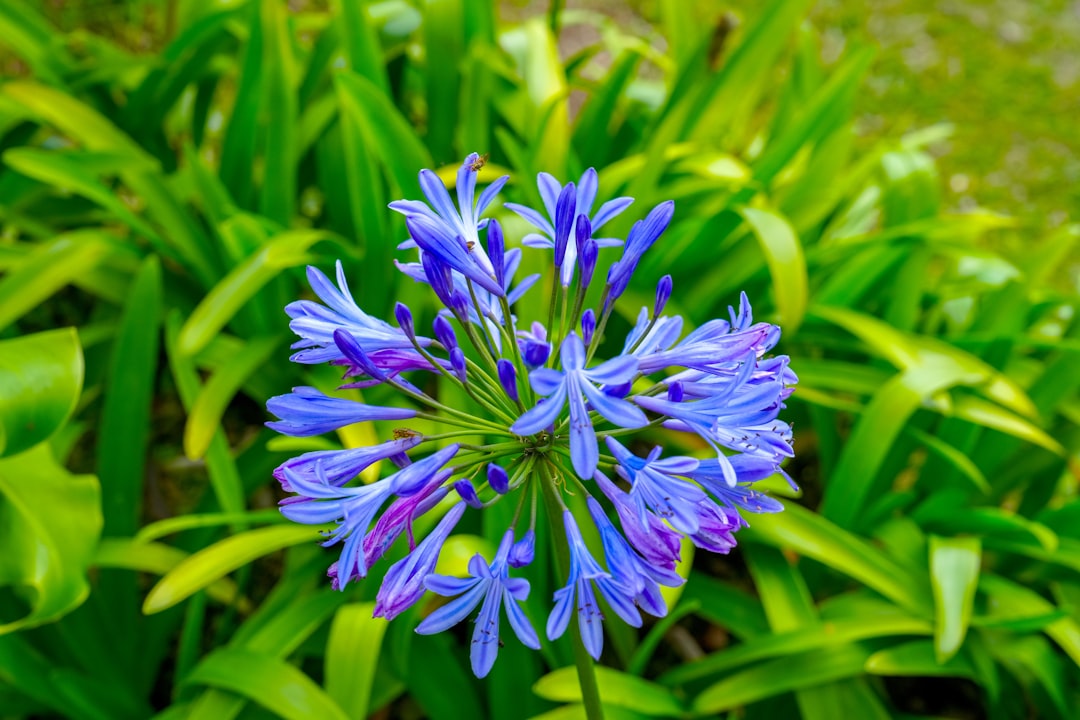
Peonies, with their lush and vibrant blooms, are a beloved addition to any garden. However, to ensure their health and maximize their beauty year after year, it's crucial to know when and how to cut them back. In this article, we'll delve into the details of peony pruning, exploring the optimal timing and techniques to reduce plant diseases and promote spectacular blooms in the coming seasons.
### Understanding the Importance of Pruning Peonies
Pruning is not just about aesthetics; it plays a vital role in the overall health of your peonies. By removing dead, damaged, or diseased foliage, you can prevent the spread of pathogens and create a more favorable environment for new growth. Additionally, proper pruning helps to shape the plant, improve air circulation, and direct energy towards the production of strong stems and abundant flowers.
### When to Cut Back Peonies
The timing of peony pruning depends on the type of peony and the specific goals you have in mind. Here's a general guide to help you determine the best time to prune:
- Herbaceous Peonies: These are the most common type of peonies, and they die back to the ground each winter. In late fall, after the first hard frost, it's time to cut back the foliage to about 2 - 3 inches above the ground. This helps to prevent the overwintering of diseases and pests in the decaying leaves.
- Tree Peonies: Unlike herbaceous peonies, tree peonies are woody shrubs that retain their branches year - round. Pruning tree peonies should be done in early spring, just as new growth begins to emerge. Remove any dead, damaged, or crossing branches to maintain the plant's shape and encourage healthy growth.
- Intersectional Peonies: Also known as Itoh peonies, these hybrids combine the best traits of herbaceous and tree peonies. Pruning intersectional peonies is similar to herbaceous peonies. Cut back the foliage in late fall after the first frost, and in early spring, remove any dead or weak stems.
### How to Cut Back Peonies Properly
Once you've determined the right time to prune, it's important to use the correct techniques to ensure the health of your peonies. Here are some steps to follow:
- Prepare Your Tools: Use sharp, clean pruning shears or loppers to make clean cuts. Dull tools can crush the stems, making them more susceptible to disease.
- Sanitize Your Tools: Before and after pruning each plant, wipe your tools with a solution of 70% isopropyl alcohol or a bleach solution (1 part bleach to 9 parts water). This helps to prevent the spread of diseases from one plant to another.
- Make Clean Cuts: When cutting back peonies, make your cuts at a 45 - degree angle, just above a bud or a healthy leaf node. This encourages new growth to emerge in the desired direction.
- Dispose of Pruned Material: Collect all the pruned foliage and stems and dispose of them properly. Do not leave them on the ground around the plant, as they can harbor diseases and pests.
### Additional Tips for Peony Pruning
Here are some extra tips to keep in mind when pruning your peonies:
- Don't Over - Prune: While pruning is important, over - pruning can stress the plant and reduce its ability to produce flowers. Only remove what is necessary to maintain the plant's health and shape.
- Monitor for Diseases: Keep an eye out for signs of diseases such as botrytis blight, powdery mildew, or leaf spot. If you notice any infected foliage, remove it immediately and dispose of it carefully.
- Feed Your Peonies: After pruning, apply a balanced fertilizer to provide the plant with the nutrients it needs to recover and grow. Follow the instructions on the fertilizer package for the correct application rate.
In conclusion, knowing when and how to cut back peonies is essential for maintaining their health and ensuring beautiful blooms year after year. By following the guidelines outlined in this article, you can reduce the risk of plant diseases and give your peonies the best chance to thrive. So, grab your pruning shears and get ready to give your peonies the care they deserve!
New