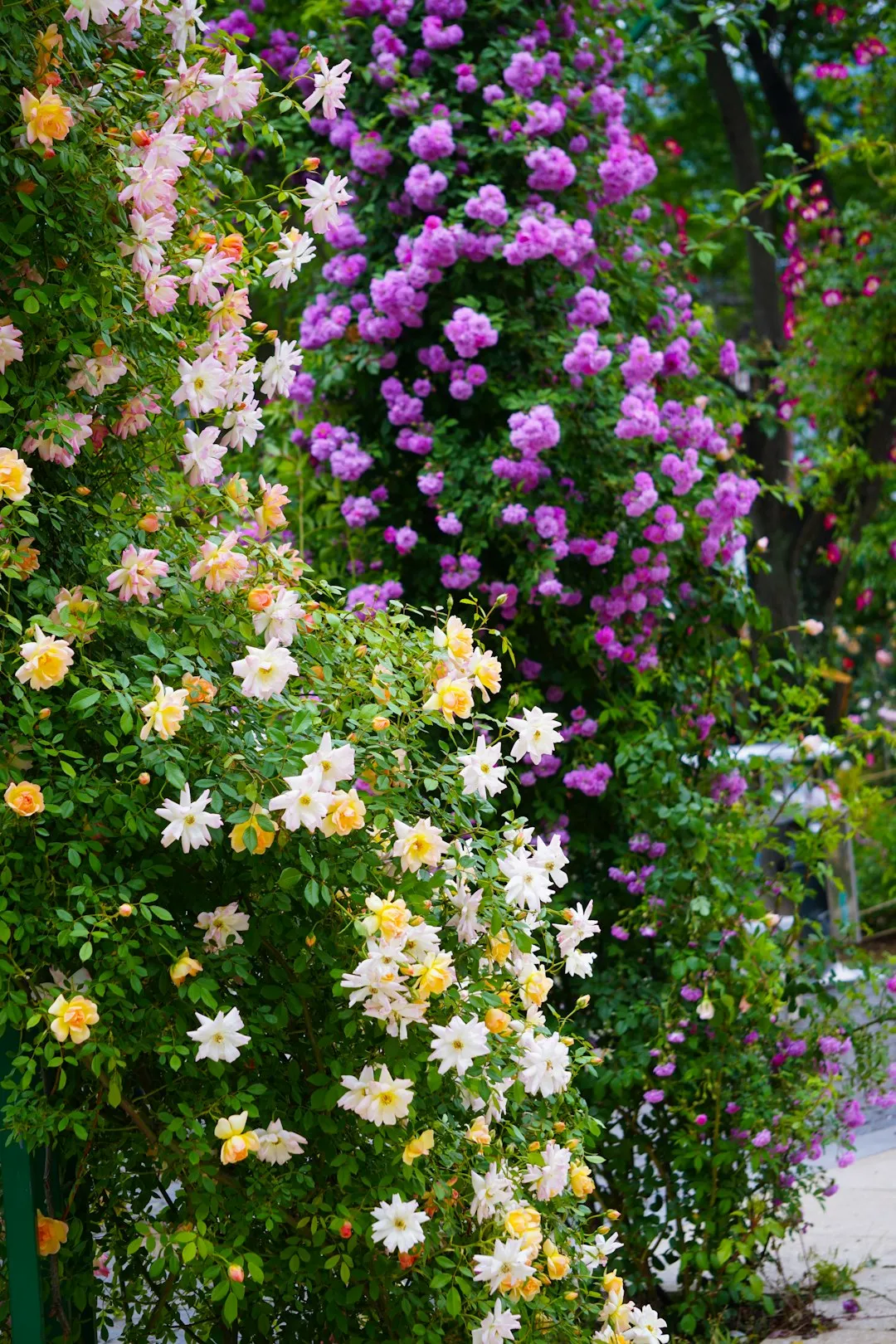
Flowers have an innate ability to transform any space into a haven of beauty and tranquility. Among the various types of flowers, perennials hold a special place in the hearts of gardeners. They come back year after year, offering a reliable source of color and charm. However, to truly make the most of your perennial garden, staking plants is a crucial technique that should not be overlooked.
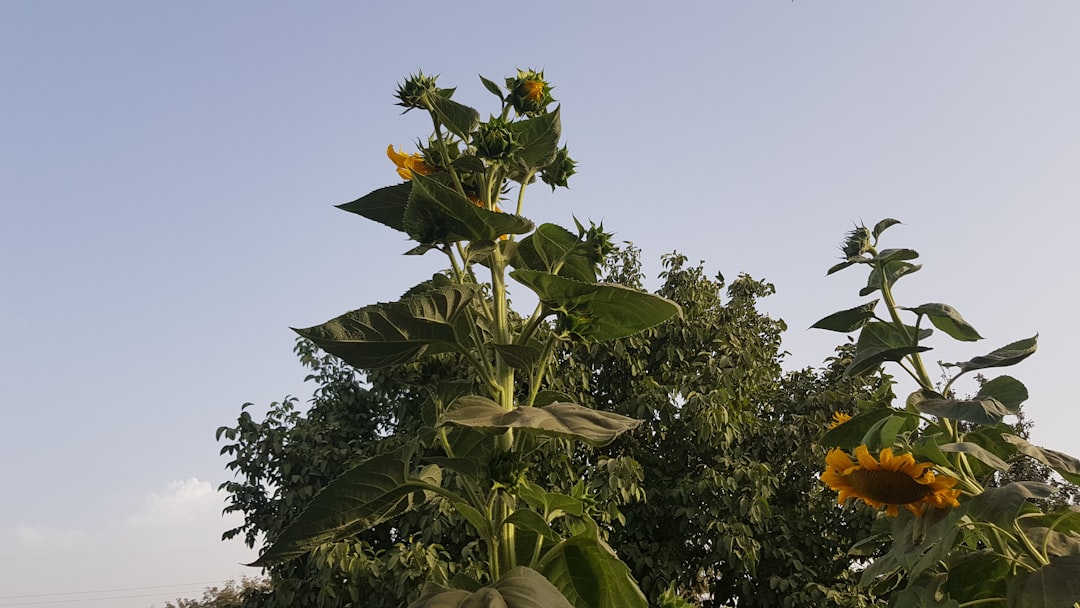
Staking plants serves multiple purposes, all of which contribute to the overall health and aesthetics of your garden. Firstly, it helps keep your garden looking beautiful. As perennials grow, they can become top - heavy or be easily affected by wind, rain, and other environmental factors. Without proper support, they may flop over, creating an untidy appearance. Stakes provide the necessary support to keep the plants upright, ensuring that they display their blooms in an organized and visually appealing manner.
Secondly, staking is essential for the health and strength of perennials. When plants are allowed to flop, they may not receive adequate sunlight and air circulation. This can lead to issues such as mold, mildew, and other diseases. By staking the plants, you ensure that all parts of the plant are exposed to sunlight and fresh air, which promotes healthy growth and reduces the risk of disease. Additionally, staking helps prevent damage to the stems, which can occur when the plants are bent or broken due to their own weight or external forces.
Now that we understand the importance of staking perennials, let's explore the different types of stakes that you can use in your garden.
Wooden Stakes
Wooden stakes are a classic choice for staking plants. They are relatively inexpensive, easy to find, and can be customized to the desired length. Hardwood stakes, such as oak or cedar, are more durable and resistant to rot compared to softwood stakes. You can use wooden stakes for a variety of perennials, from tall delphiniums to heavy - headed peonies. To use wooden stakes, simply drive them into the ground near the base of the plant, being careful not to damage the roots. Then, tie the plant to the stake using soft twine or plant ties.
Metal Stakes
Metal stakes are another popular option. They are strong, long - lasting, and can withstand harsh weather conditions. Metal stakes come in different shapes and sizes, including straight stakes and spiral stakes. Straight metal stakes are ideal for providing vertical support, while spiral stakes can be used to gently guide the growth of climbing perennials. Metal stakes are often coated to prevent rust, which makes them a great choice for long - term use in the garden. When using metal stakes, make sure to insert them firmly into the ground to provide stable support.
Plastic Stakes
Plastic stakes are lightweight, affordable, and come in a variety of colors. They are easy to handle and can be a good option for smaller perennials or for temporary support. Some plastic stakes have built - in clips or loops, which make it easy to attach the plants. However, plastic stakes may not be as durable as wooden or metal stakes and may need to be replaced more frequently.
Tomato Cages
Although commonly associated with tomatoes, tomato cages can also be used effectively for staking perennials. They provide a circular support structure that can accommodate the growth of bushy perennials, such as dahlias or asters. Tomato cages are made of metal or plastic and are available in different sizes. Place the cage around the plant when it is still young, and as the plant grows, it will naturally grow through the openings in the cage, providing its own support.
Obelisk and Trellis Stakes
For climbing perennials, such as clematis or climbing roses, obelisk and trellis stakes are the perfect solution. These stakes provide a vertical structure for the plants to climb on, adding height and dimension to your garden. Obelisks are usually freestanding and have a pyramid - like shape, while trellises can be attached to a wall or fence. They are available in various materials, including wood, metal, and vinyl, allowing you to choose the one that best suits your garden's style.
In conclusion, staking plants is an important aspect of flowers gardening, especially when it comes to perennials. By choosing the right type of stakes and using them correctly, you can ensure that your garden remains beautiful, and your perennials stay healthy and strong for years to come. So, the next time you plan your flower garden, don't forget to include staking as part of your gardening strategy.
New