Are you tired of saying goodbye to your Easter lilies once they've finished blooming indoors? Well, fret no more! You can actually plant an Easter lily outdoors after it has graced your indoor space with its elegance, allowing you to enjoy its beauty year after year. In this comprehensive guide, we'll walk you through the step - by - step process of properly planting your Easter lily bulb in your garden.
First and foremost, timing is crucial. After the Easter lily has finished blooming indoors, it's important to wait until the danger of frost has passed before transplanting it outdoors. In most regions, this is typically in late spring or early summer. The lily needs a warm and stable environment to thrive in its new outdoor home.
Before you start digging, you need to choose the right location in your garden. Easter lilies love sunlight, but they also appreciate some shade during the hottest part of the day. Look for a spot that gets at least six hours of sunlight, preferably in the morning. The soil should be well - drained, fertile, and slightly acidic. You can test your soil's pH level using a simple soil testing kit available at your local garden center. If the soil is too alkaline, you can add some peat moss or sulfur to lower the pH.
Now, let's prepare the bulb for planting. Gently remove the Easter lily from its indoor pot. Be very careful not to damage the roots. Shake off any excess soil from the roots and inspect them for any signs of rot or damage. If you notice any damaged roots, carefully trim them with a clean pair of pruning shears. This will encourage healthy new root growth once the bulb is in the ground.
Dig a hole in the chosen location that is about twice as wide and deep as the bulb. Place the bulb in the hole with the roots spread out evenly. Make sure the top of the bulb is about an inch below the soil surface. Backfill the hole with soil, gently pressing it down around the bulb to remove any air pockets. Water the newly planted bulb thoroughly. This will help the soil settle around the roots and give the lily a good start.
After planting, it's important to maintain proper care for your Easter lily. Water the plant regularly, especially during dry spells. However, be careful not to over - water, as this can lead to root rot. A good rule of thumb is to water when the top inch of soil feels dry to the touch. You can also add a layer of mulch around the base of the plant. Mulch helps to retain moisture, suppress weeds, and regulate soil temperature.
Fertilizing is another important aspect of Easter lily care. Use a balanced, slow - release fertilizer in the spring when new growth appears. Follow the instructions on the fertilizer package for the correct application rate. Avoid over - fertilizing, as this can cause excessive foliage growth at the expense of flower production.
As the lily grows, you may need to provide some support. Easter lilies can grow quite tall and may become top - heavy, especially when in bloom. You can use stakes or a plant support cage to keep the plant upright. Tie the stem gently to the support using soft plant ties.
During the fall, after the foliage has died back, you can cut it down to the ground. This signals to the bulb that it's time to go dormant. In colder regions, you may want to add a layer of mulch over the bulb to protect it from freezing temperatures. Come spring, your Easter lily will emerge from dormancy, ready to bloom again and bring beauty to your garden.
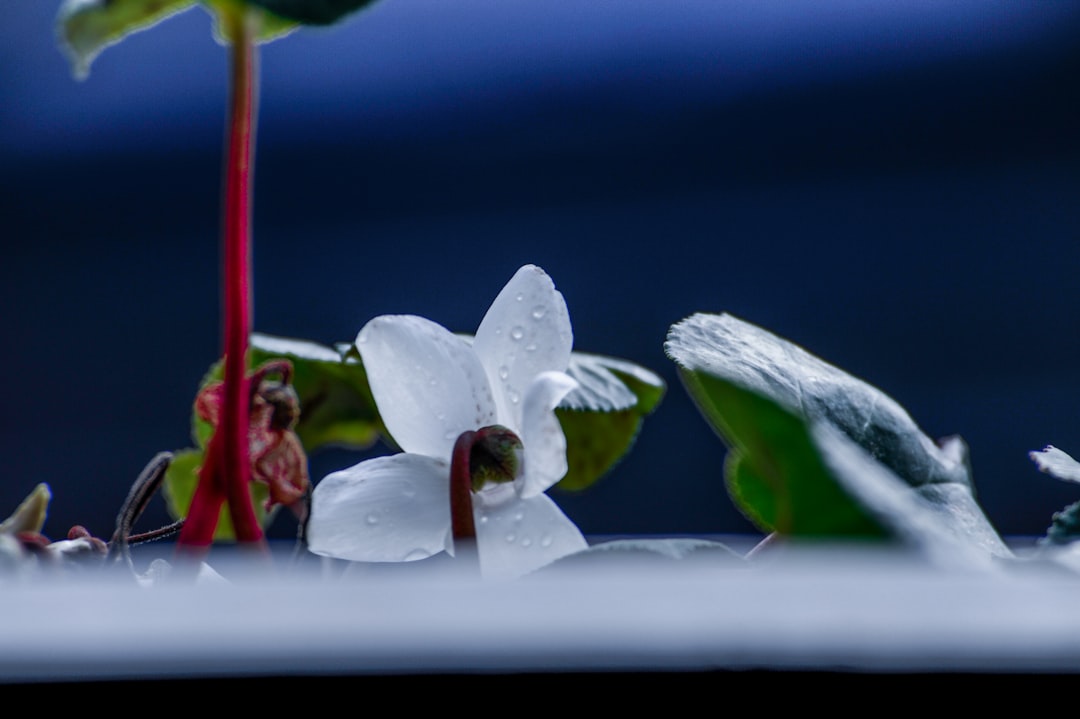
In conclusion, planting an Easter lily outdoors after it has bloomed indoors is a rewarding experience. By following these simple steps, you can ensure that your Easter lily thrives in your garden for years to come. Not only will you enjoy its stunning white flowers, but you'll also feel a sense of accomplishment knowing that you've successfully transitioned this beautiful plant from an indoor centerpiece to an outdoor garden gem.
New