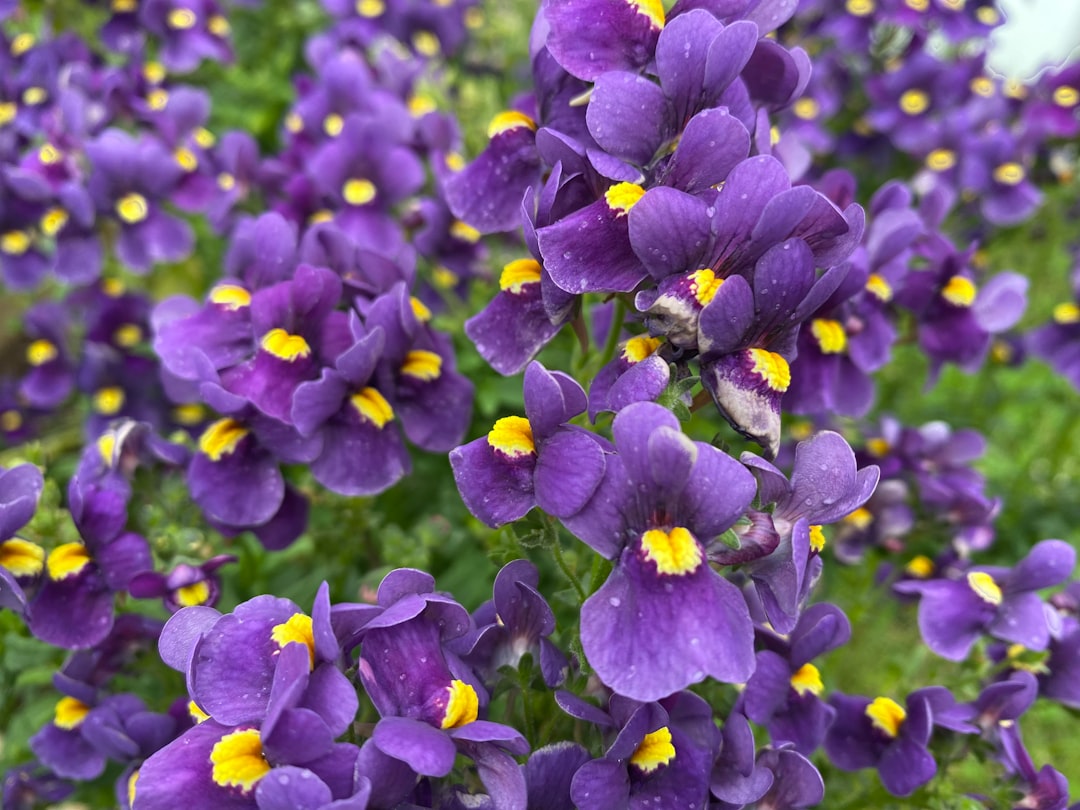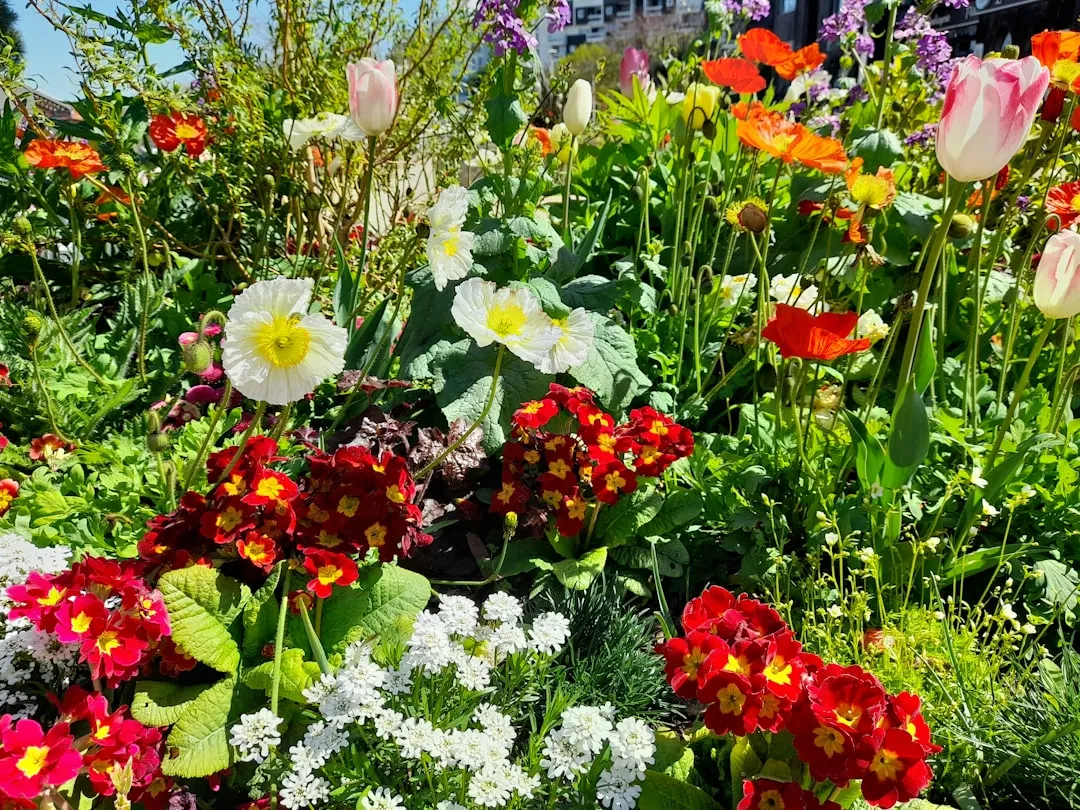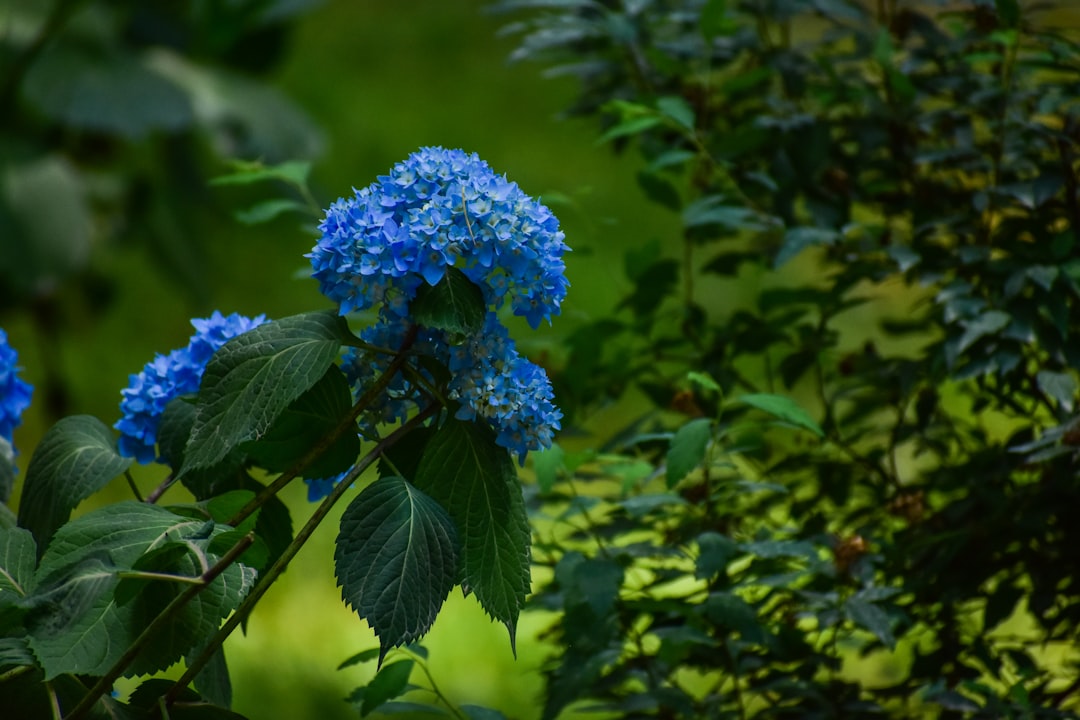
Hyacinths, with their vibrant colors and intoxicating fragrance, are a beloved addition to any garden. However, many gardeners make the mistake of discarding hyacinth bulbs after they finish flowering. In fact, with a little care and attention, you can keep your hyacinths thriving year after year. This step - by - step guide will show you how to make the most of your hyacinth bulbs and enjoy their beauty season after season.
Step 1: Post - Flowering Care
Once your hyacinths have finished blooming, resist the urge to cut off the foliage immediately. The leaves are essential for the bulb to store energy for the next growing season. Let the leaves turn yellow and wither naturally. During this time, continue to water the plant regularly, but reduce the frequency as the leaves start to die back. This allows the bulb to absorb nutrients from the leaves and strengthen itself.
Step 2: Digging Up the Bulbs
After the foliage has completely died back, it's time to dig up the hyacinth bulbs. Use a small garden fork or trowel to carefully loosen the soil around the bulbs. Be gentle to avoid damaging them. Lift the bulbs out of the ground and shake off any excess soil. Inspect the bulbs for any signs of damage or disease. Discard any bulbs that are soft, moldy, or have visible lesions.
Step 3: Cleaning and Drying
Once you have removed the bulbs from the ground, clean them gently with a soft brush to remove any remaining dirt. Do not wash the bulbs with water, as this can cause them to rot. After cleaning, place the bulbs in a well - ventilated area to dry. A cool, dry place such as a shed or garage is ideal. Let the bulbs dry for about a week until the outer layer becomes papery.
Step 4: Storage
After the bulbs are dry, store them in a mesh bag or a paper bag. Avoid using plastic bags, as they can trap moisture and cause the bulbs to rot. Label the bag with the variety of hyacinth and the date of storage. Place the bag in a cool, dark place with a temperature between 40°F and 50°F (4°C - 10°C). A basement or a refrigerator crisper drawer can be suitable storage locations. Check the bulbs periodically during storage to ensure they are not developing any signs of mold or decay.
Step 5: Replanting
When the time is right for replanting, usually in the fall, prepare the soil in your garden. Hyacinths prefer well - drained soil that is rich in organic matter. Dig a hole that is about 4 - 6 inches deep and place the bulb in the hole with the pointed end facing up. Space the bulbs about 4 - 6 inches apart. Cover the bulbs with soil and water them thoroughly. As the bulbs start to grow in the spring, you can add a layer of mulch to help retain moisture and suppress weeds.
Benefits of Saving Hyacinth Bulbs
By following these steps to save and replant your hyacinth bulbs, you not only save money but also contribute to a more sustainable garden. You can also enjoy the satisfaction of seeing the same hyacinths bloom year after year, adding a touch of color and fragrance to your outdoor space. Additionally, over time, the bulbs may multiply, giving you even more hyacinths to enjoy.
In conclusion, don't let the beauty of your hyacinths end after one season. With proper post - flowering care, storage, and replanting, you can keep these wonderful flowers in your garden for many years to come. So, the next time your hyacinths finish blooming, remember these steps and look forward to another spectacular display of color and scent in the following spring.
New