When it comes to gardening, there's a hidden gem that many enthusiasts overlook: planting spring - blooming bulbs in the fall. This simple yet powerful practice can transform your garden into a haven for pollinators, especially during those early spring days when the floral landscape is still sparse.
Fall is the perfect time to start preparing for a vibrant spring garden. As the temperatures begin to cool, the soil remains warm enough for bulbs to establish their root systems. The process of planting bulbs in the fall is relatively straightforward, but it requires a bit of planning and knowledge.
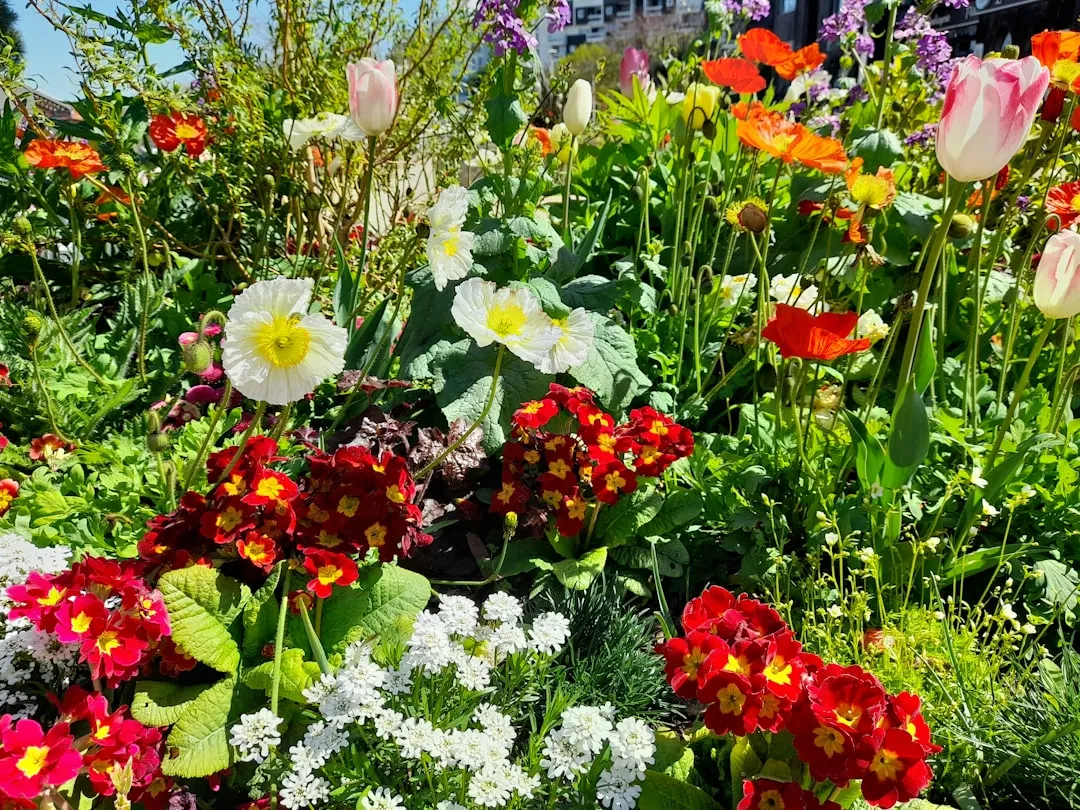
First, you need to select the right bulbs. There are numerous varieties of spring - blooming bulbs that are excellent food sources for pollinators. For instance, crocuses are one of the earliest bloomers. Their bright, colorful petals are like beacons for bees emerging from their winter slumber. These small bulbs come in a variety of colors, including purple, yellow, and white, and they can be planted in large clusters to create a stunning visual display. Daffodils are another popular choice. Although some may think they are not as attractive to pollinators as other flowers, there are certain varieties that bees and other insects do visit. Their trumpet - shaped flowers add a touch of elegance to any garden.
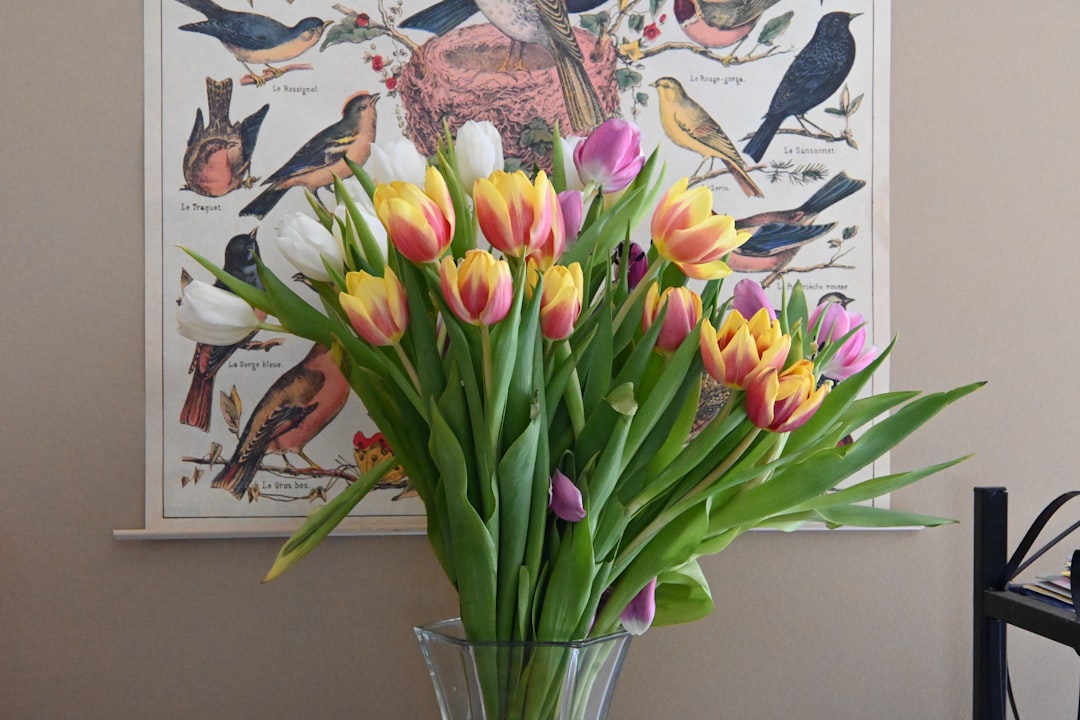
Tulips, with their wide range of colors and shapes, are also a great addition. They not only provide nectar for pollinators but also add a splash of color to the early spring garden. Hyacinths, on the other hand, are known for their sweet fragrance. The scent attracts butterflies and bees from afar, making them an ideal choice for a pollinator - friendly garden.
When it comes to planting, the depth and spacing are crucial. Generally, bulbs should be planted at a depth that is two to three times their height. For example, if you have a bulb that is 2 inches tall, it should be planted 4 to 6 inches deep. Spacing between bulbs also depends on their size. Smaller bulbs like crocuses can be planted closer together, while larger bulbs such as tulips need more room to grow. A good rule of thumb is to space bulbs about 3 to 6 inches apart.
Preparing the soil is also an important step. The soil should be well - drained, loose, and rich in organic matter. You can add compost or well - rotted manure to improve the soil structure. This will not only provide essential nutrients for the bulbs but also help with water retention and drainage.
Once the bulbs are planted, they need proper care during the winter months. A layer of mulch can be added to protect the bulbs from extreme cold and temperature fluctuations. Mulch also helps to keep the soil moist and suppresses weed growth. In the spring, as the bulbs start to emerge, it's important to monitor them for any signs of pests or diseases. Aphids, for example, can be a common problem. You can use natural pest control methods such as introducing ladybugs or spraying a mild soap solution to keep these pests at bay.
As the spring progresses, your garden will come alive with the sight and sound of pollinators. Bees will buzz from flower to flower, collecting nectar and pollen. Butterflies will flutter gracefully among the blooms, adding a touch of beauty to the garden. The early food sources provided by these spring - blooming bulbs are essential for the survival and well - being of pollinators. They help to kick - start the pollination process, which is vital for the reproduction of many plants.
In addition to the ecological benefits, a garden filled with spring - blooming bulbs is a sight to behold. The colors, scents, and textures create a sensory experience that can lift your spirits after a long, cold winter. It's a reminder of the beauty and resilience of nature.
So, this fall, don't miss the opportunity to plant these spring - blooming bulbs. Not only will you be creating a beautiful garden, but you'll also be doing your part to support the pollinator population. With a little effort and care, you can enjoy a garden that is both a feast for the eyes and a vital resource for the environment.
Whether you're an experienced gardener or just starting out, planting spring - blooming bulbs in the fall is a rewarding activity. It allows you to connect with nature, create a beautiful outdoor space, and contribute to the well - being of our planet's pollinators. So, grab your gardening tools and get started on this wonderful journey of fall bulb planting.
New