When it comes to the world of gardening, there are countless plants that capture our attention with their unique features and charm. One such plant is sea lavender, a remarkable perennial that may seem delicate at first glance but is actually incredibly hardy. While the delicate blossoms of sea lavender look fragile, this plant is a hardy perennial often grown as a cut flower.
Sea lavender, scientifically known as Limonium, belongs to the Plumbaginaceae family. It is native to various regions around the world, including coastal areas. Its natural habitat has equipped it with the ability to withstand harsh conditions, making it an excellent choice for gardeners looking for a low - maintenance yet beautiful addition to their gardens.
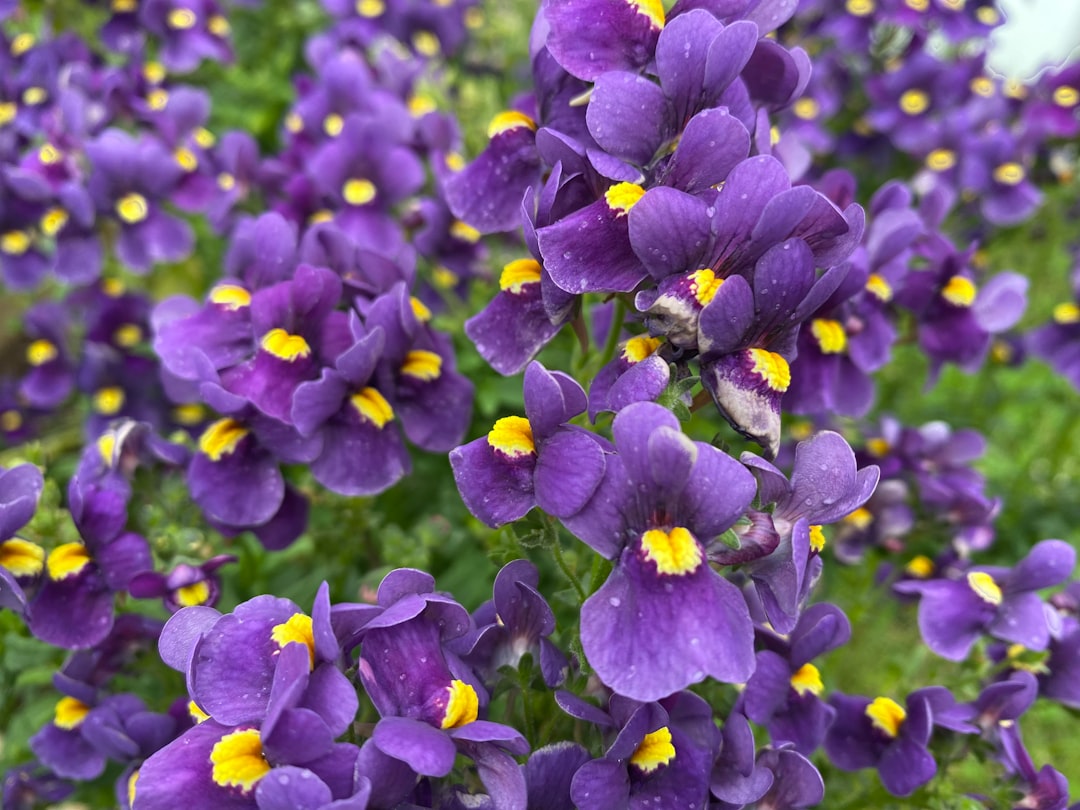
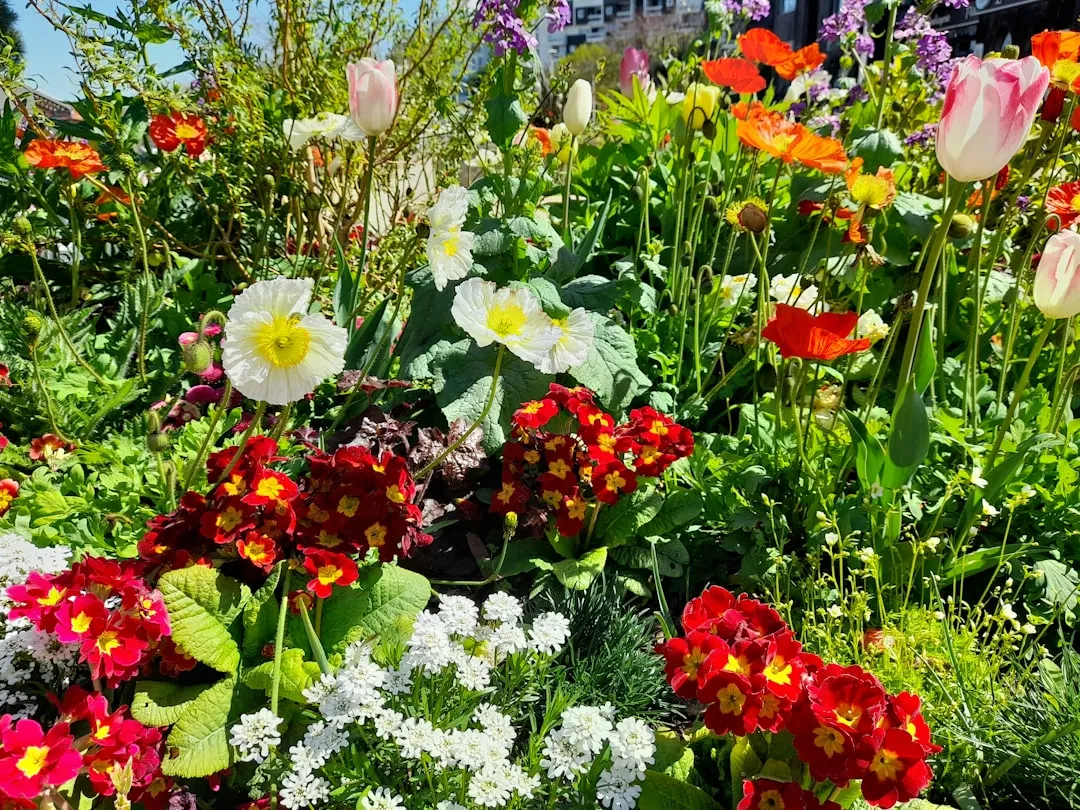
The most striking feature of sea lavender is undoubtedly its blossoms. These small, star - shaped flowers come in a variety of colors, such as pale purple, pink, and white. They are arranged in large, airy clusters that give the plant a soft and ethereal appearance. When in full bloom, a sea lavender plant can create a breathtaking sight, adding a touch of elegance to any garden.
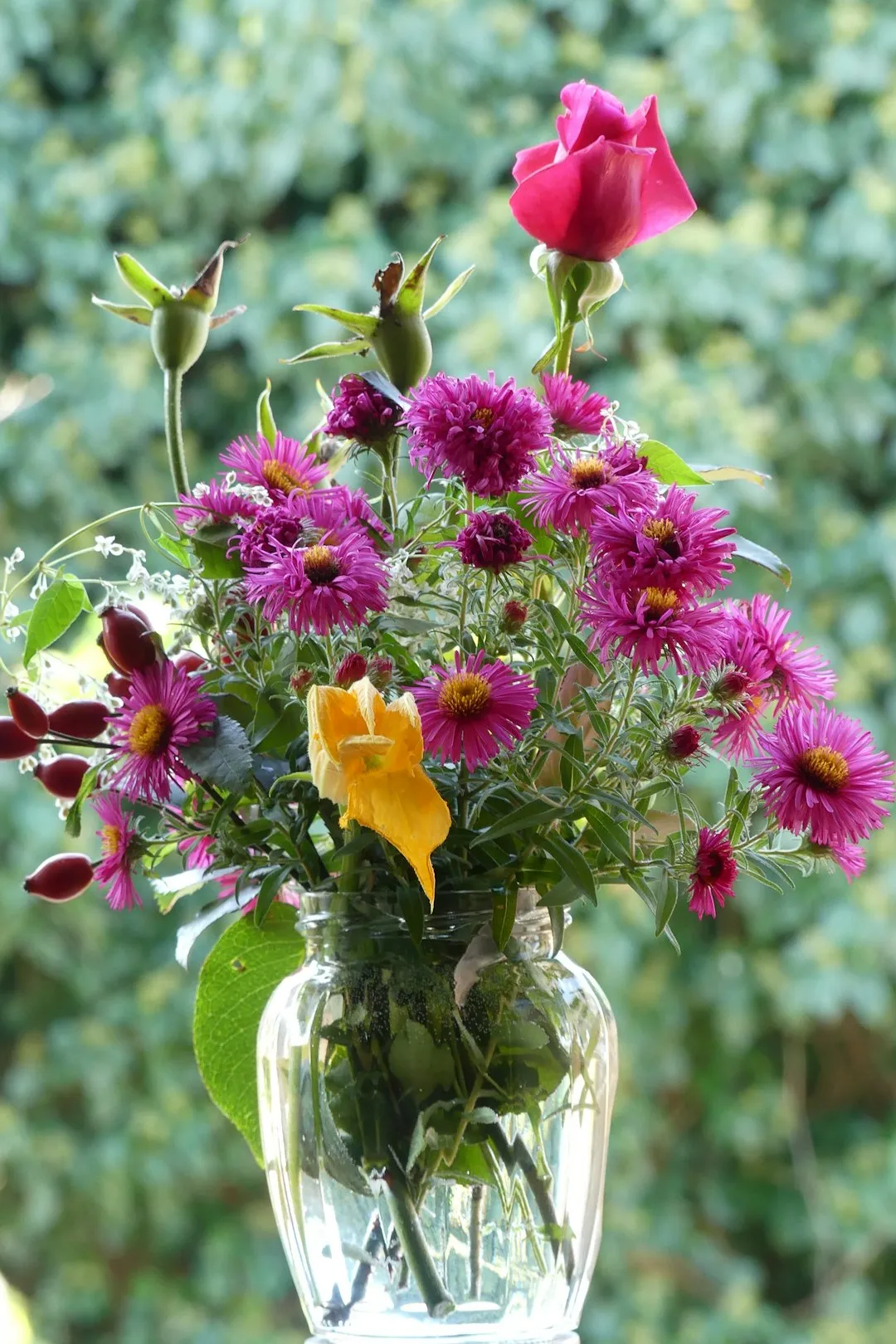
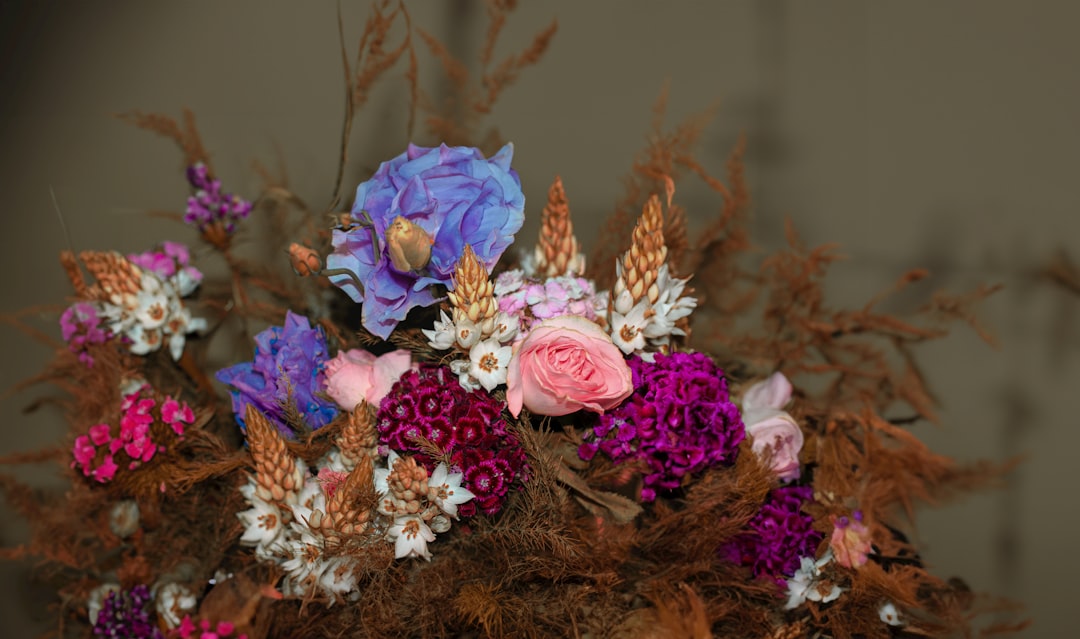
One of the reasons why sea lavender is so popular as a cut flower is its long - lasting nature. Once cut, the flowers can retain their beauty for weeks, making them ideal for floral arrangements. They can be used on their own to create simple and elegant bouquets or combined with other flowers to add a unique texture and color contrast. In the world of floral design, sea lavender is highly valued for its versatility and ability to enhance the overall aesthetic of any arrangement.
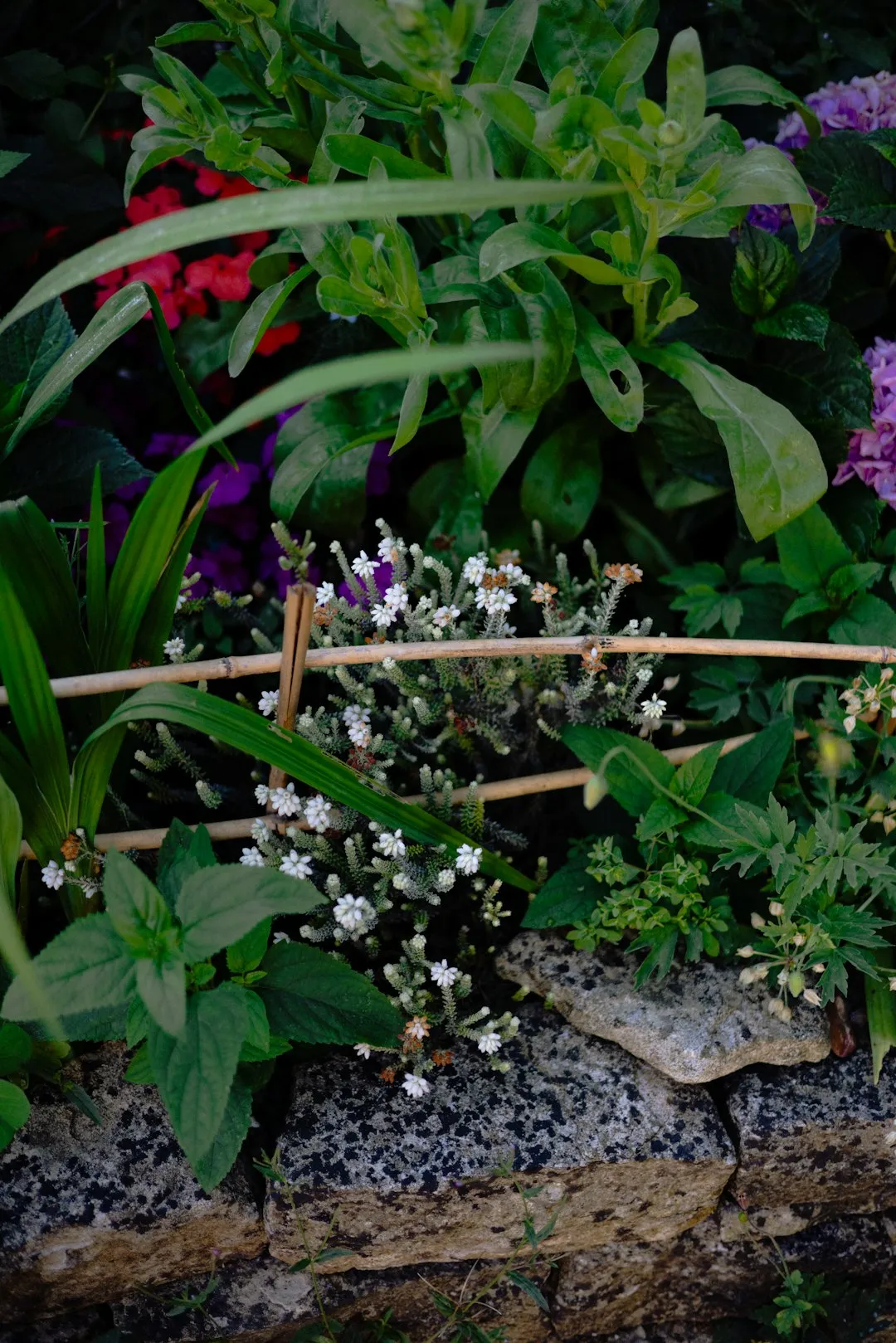
From a gardening perspective, sea lavender is relatively easy to grow. It thrives in well - drained soil and prefers full sun. This makes it suitable for a wide range of garden types, including coastal gardens where the soil may be sandy and the conditions more challenging. Even in areas with strong winds, sea lavender can hold its ground, thanks to its robust root system and sturdy stems.
To plant sea lavender, start by preparing the soil. Loosen it to a depth of about 6 - 8 inches and mix in some organic matter to improve drainage and fertility. Plant the sea lavender seedlings at a spacing of about 12 - 18 inches apart to allow enough room for growth. Water the plants regularly during the first few weeks after planting to help them establish a strong root system. Once established, sea lavender is quite drought - tolerant and requires less frequent watering.
Pruning is also an important aspect of sea lavender care. After the flowering season is over, cut back the spent flower stalks to encourage new growth and maintain the plant's shape. This will also prevent the plant from self - seeding too aggressively, which can sometimes lead to overcrowding in the garden.
Another advantage of growing sea lavender is its ability to attract pollinators. Bees, butterflies, and other beneficial insects are drawn to the nectar - rich flowers, which helps to support the local ecosystem. This makes sea lavender not only a beautiful addition to the garden but also an environmentally friendly choice.
In conclusion, sea lavender is a plant that combines beauty and resilience in a unique way. Its delicate blossoms may give the impression of fragility, but in reality, it is a hardy perennial that can thrive in a variety of conditions. Whether you are a seasoned gardener or just starting out, sea lavender is definitely worth considering for your garden. Its long - lasting cut flowers, ease of care, and ability to attract pollinators make it a valuable asset in any floral landscape.
New