Flower gardening is a pursuit that brings joy, beauty, and a touch of nature's artistry into our lives. Among the many perennials that grace our gardens, rock cress stands out as a true gem. This unassuming yet remarkable plant forms mats of vivid color, adding a splash of charm to various areas of the garden.
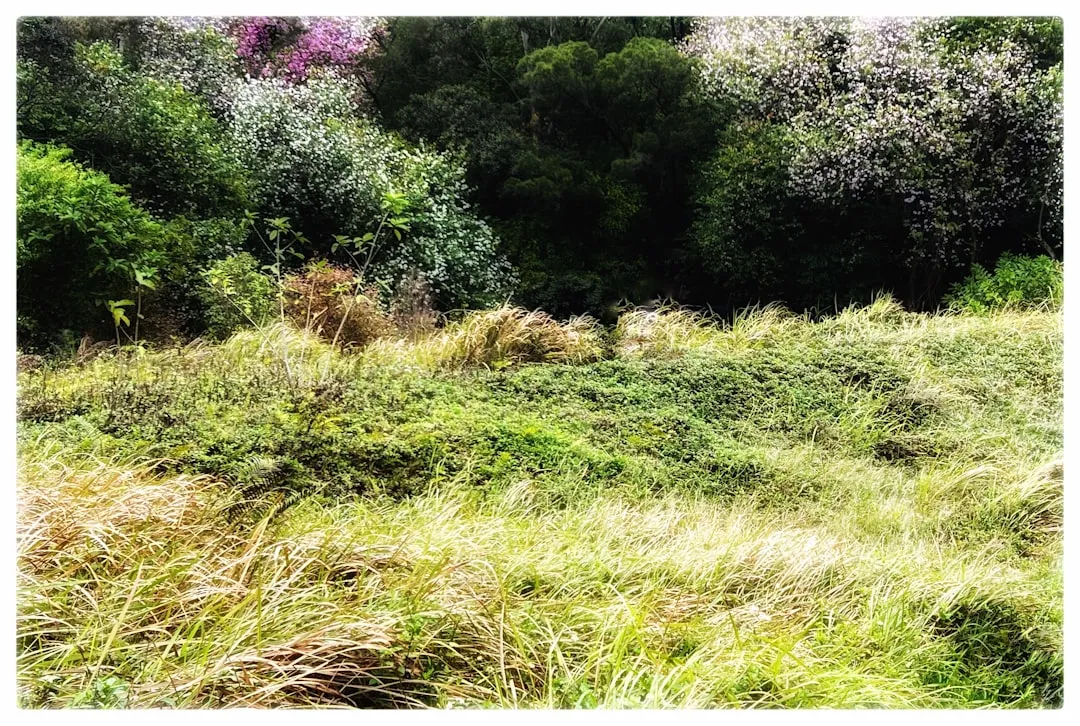
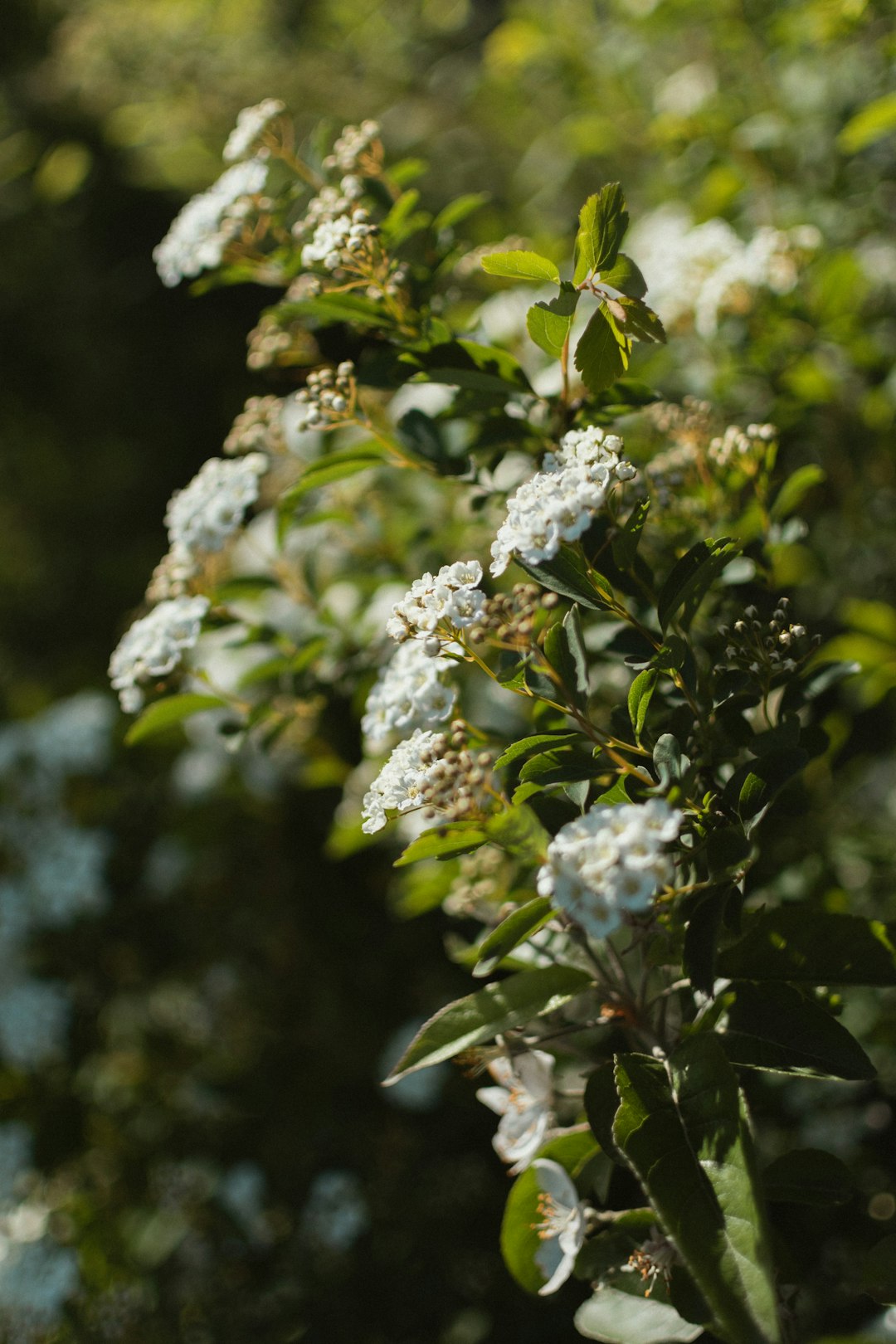
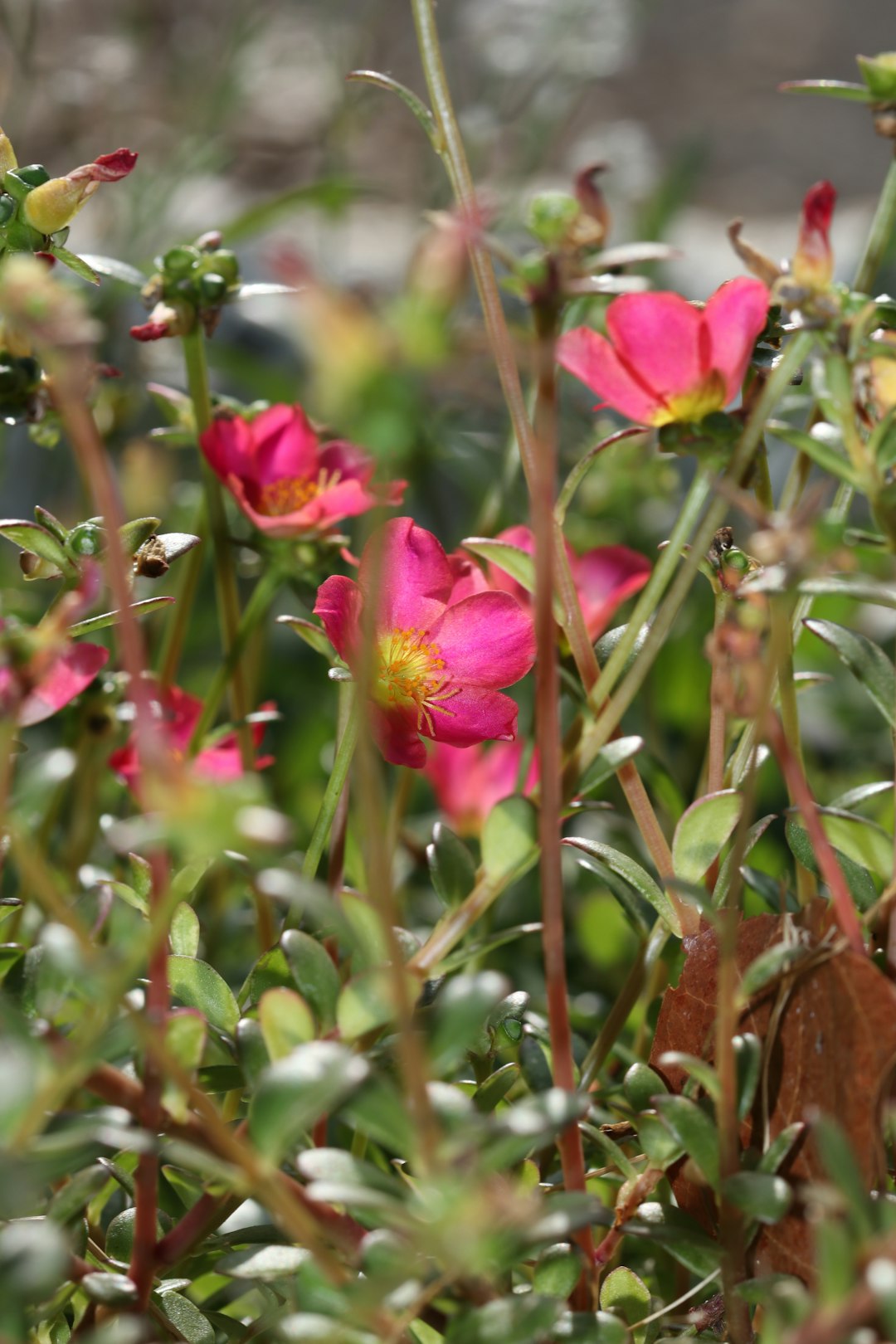
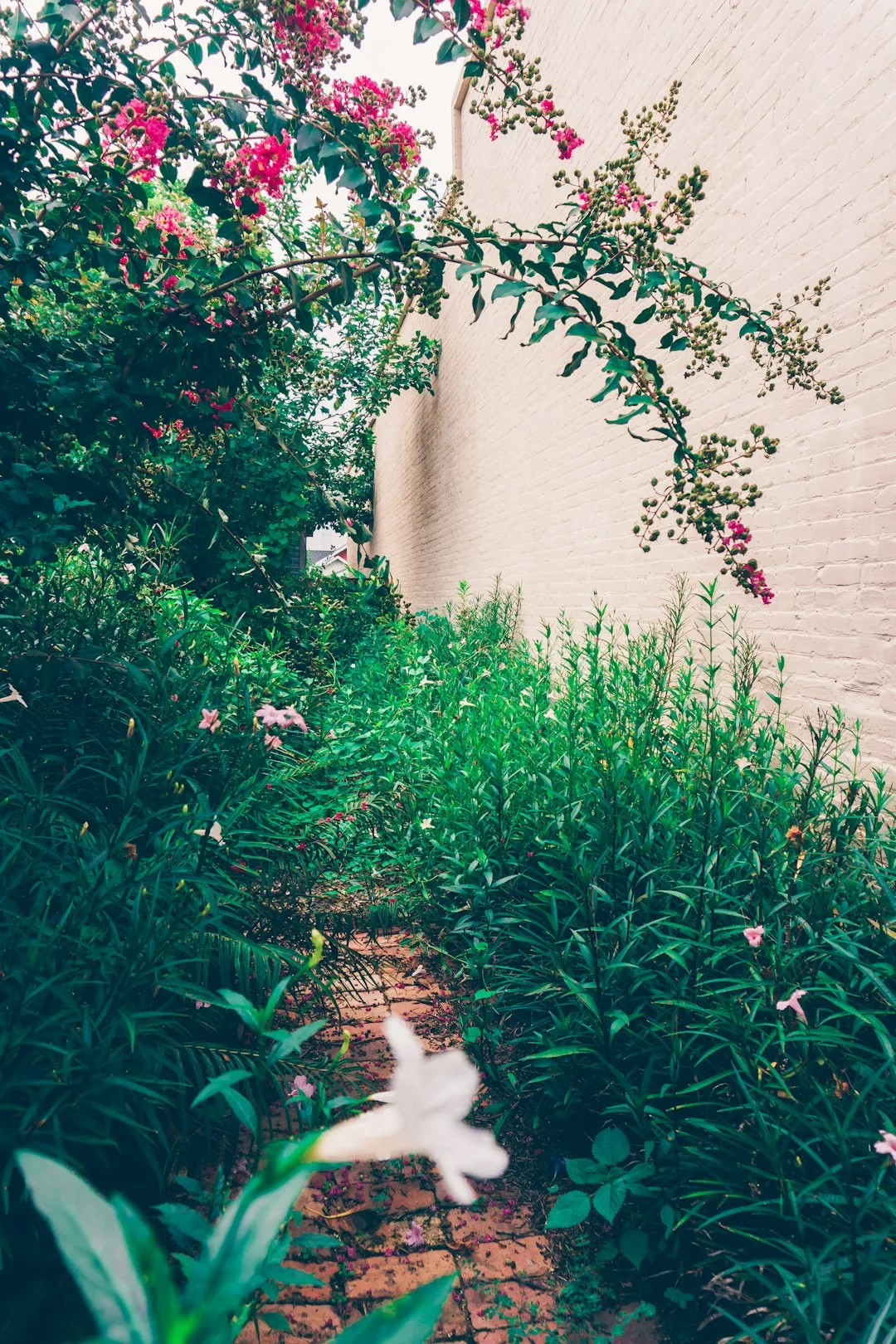
Rock cress is a versatile plant that thrives in a variety of settings. One of its most notable features is its ability to create a carpet - like effect. Along walls, it softens the harsh edges, transforming a plain wall into a living, breathing work of art. The cascading foliage and colorful blooms spill over the edges, creating a sense of movement and dynamism. Imagine a stone wall that was once dull and lifeless, now adorned with a vibrant mat of rock cress. The different shades of pink, purple, white, and blue create a visual feast for the eyes, attracting butterflies and other pollinators.
When it comes to borders, rock cress is an excellent choice. It can define the boundaries of a garden bed in a natural and aesthetically pleasing way. Unlike rigid fences or hedges, rock cress provides a more organic and fluid look. It can be planted in a single row or in clusters, depending on the desired effect. The low - growing nature of rock cress makes it ideal for edging, adding a pop of color without overpowering the other plants in the bed. It also helps to suppress weeds, as its dense matting habit shades the soil, preventing weed seeds from germinating.
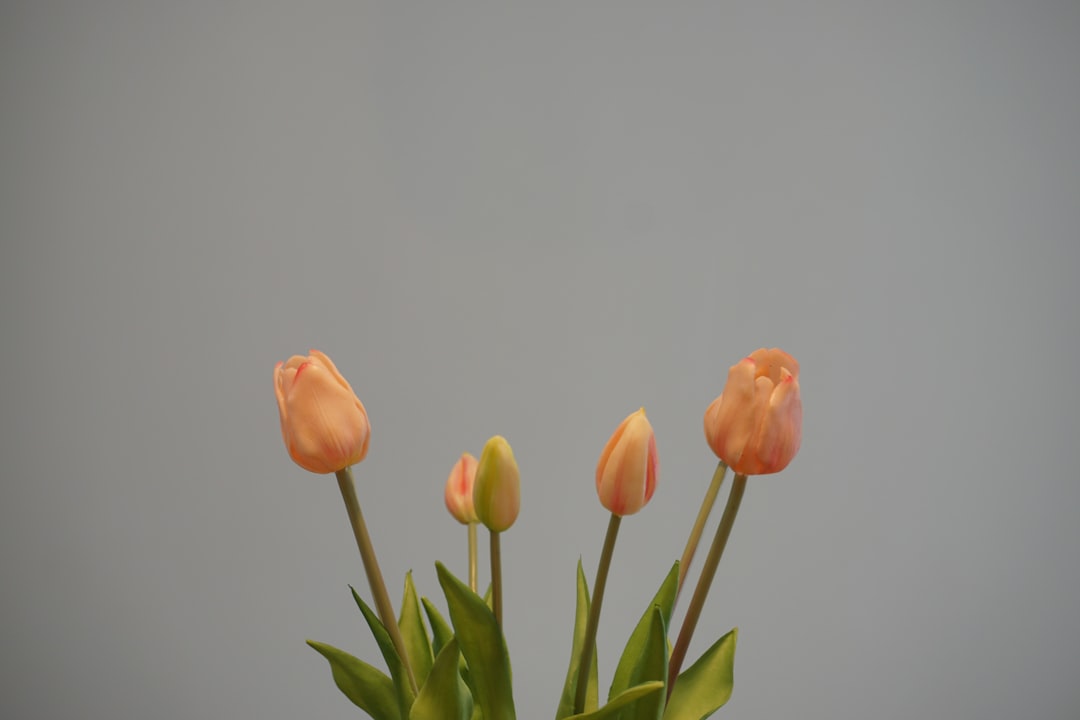
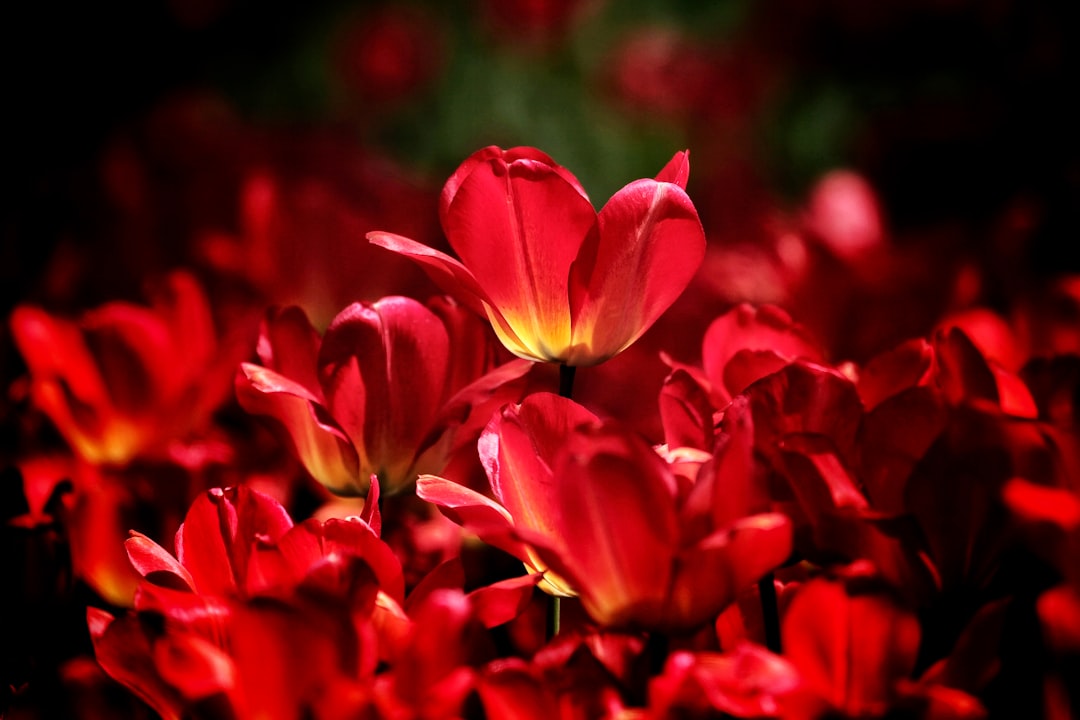
Under spring - blooming bulbs, rock cress plays a crucial supporting role. Spring bulbs such as tulips, daffodils, and crocuses are known for their spectacular displays. However, once their blooms fade, the foliage can look a bit unsightly. This is where rock cress comes in. It fills in the gaps, covering the yellowing bulb foliage with its own lush growth. As the bulbs start to emerge in early spring, the rock cress is already there, providing a green backdrop that enhances the beauty of the bulbs. The combination of the tall, elegant bulbs and the low - lying rock cress creates a multi - layered and visually appealing landscape.
Planting rock cress is relatively easy. It prefers well - drained soil and full sun to partial shade. It is a hardy plant that can tolerate a range of soil conditions, although it thrives in slightly alkaline soil. When planting, make sure to space the plants appropriately to allow for their spreading habit. Once established, rock cress requires minimal maintenance. It is drought - tolerant, so it doesn't need frequent watering. A light pruning after flowering can help to keep the plant looking tidy and encourage new growth.
There are several varieties of rock cress available, each with its own unique characteristics. Some have larger flowers, while others have more compact growth habits. For example, Arabis alpina is a popular variety known for its white flowers and ability to spread quickly. Aubrieta deltoidea comes in a range of colors, from deep purple to pale pink, and is often used in rock gardens.
In conclusion, rock cress is a must - have plant for any flower garden. Its ability to form mats of color, its versatility in different garden settings, and its low - maintenance nature make it a favorite among gardeners. Whether you are a beginner or an experienced gardener, adding rock cress to your garden will surely enhance its beauty and charm. So, the next time you are planning your garden, don't forget to include this wonderful perennial. Let the rock cress bring a touch of magic to your outdoor space.
New