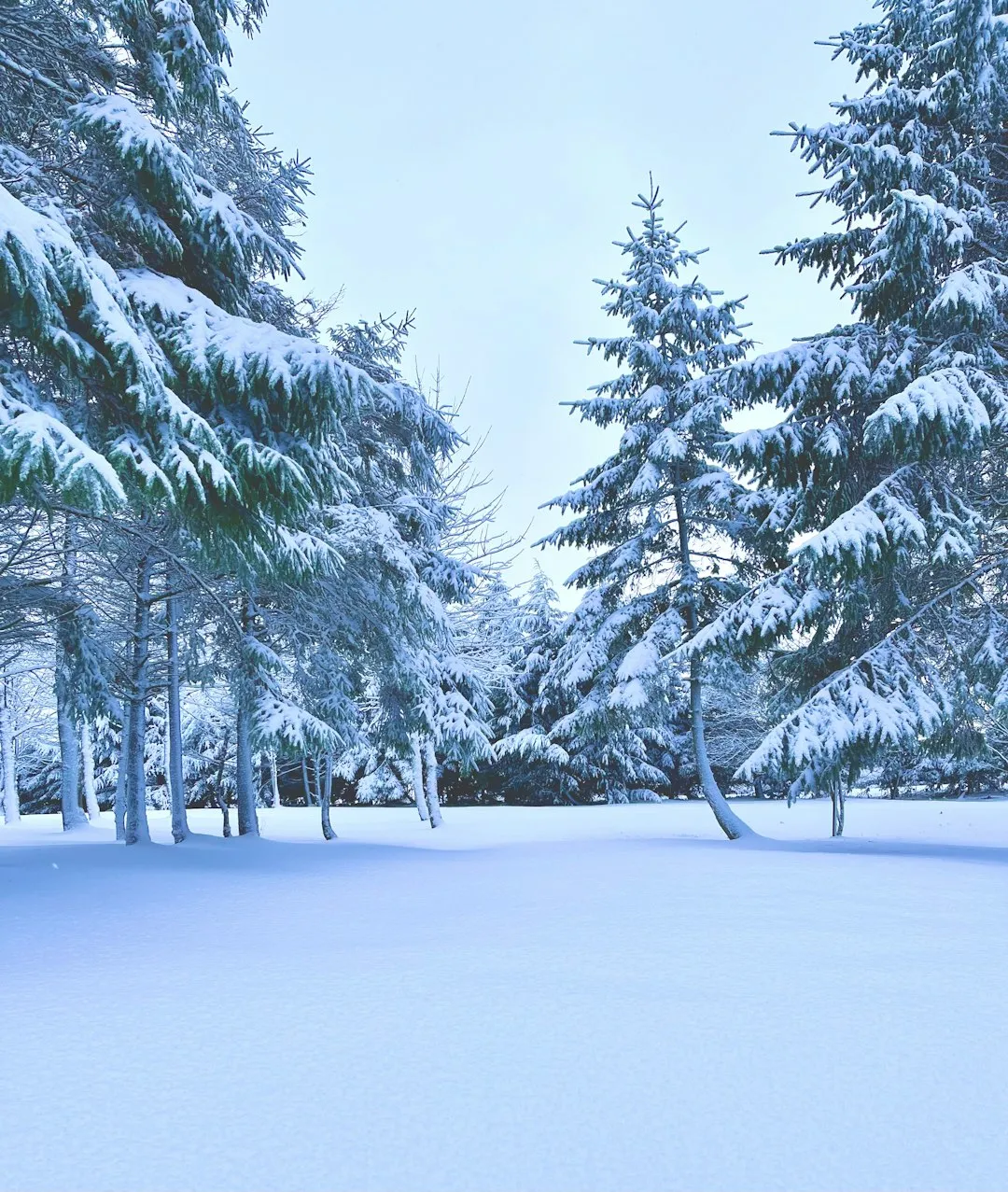
Flowers are nature's exquisite gifts, and among them, snowdrop flowers hold a special allure. These delicate blossoms have the remarkable ability to bloom in the later part of winter, sometimes even pushing through the snow. In this article, we'll delve into the world of snowdrop flower gardening and learn how to cultivate these beautiful plants that will grace our gardens with their presence during the coldest months.
### Understanding Snowdrop Flowers
Snowdrops, scientifically known as Galanthus, are a genus of bulbous perennial plants. They are native to Europe and parts of the Middle East. Their name comes from their appearance - the white, bell - shaped flowers that resemble drops of snow. These flowers are usually small, with three outer petals and three inner ones, and they often have a green or yellow marking at the tip of the petals.
One of the most fascinating things about snowdrops is their early blooming time. While most plants are still dormant during winter, snowdrops start to emerge, bringing a touch of life and color to the otherwise barren landscape. They are a sign that spring is on its way, a beacon of hope in the cold and dark days.
### Choosing the Right Bulbs
When it comes to growing snowdrop flowers, choosing the right bulbs is crucial. You can purchase snowdrop bulbs from a reputable nursery or online store. Look for bulbs that are firm and free from any signs of damage or disease. The size of the bulb can also affect the plant's growth and flowering. Generally, larger bulbs will produce stronger and more vigorous plants.
It's best to buy snowdrop bulbs 'in the green', which means they are still growing and have their leaves attached. This is because snowdrop bulbs don't store well out of the ground, and planting them 'in the green' gives them a better chance of survival. However, if you can't find bulbs 'in the green', you can also plant dry bulbs in the autumn.
### Preparing the Soil
Snowdrop flowers prefer well - drained soil that is rich in organic matter. They thrive in partial shade, although they can also tolerate full sun in cooler climates. Before planting the bulbs, prepare the soil by digging it over to a depth of about 15 - 20 centimeters. Remove any weeds, stones, or debris from the soil.
Add some compost or well - rotted manure to the soil to improve its fertility and structure. This will provide the bulbs with the nutrients they need to grow and bloom. You can also add a small amount of bone meal or a slow - release fertilizer to the soil to give the bulbs an extra boost.
### Planting the Bulbs
Plant the snowdrop bulbs at a depth of about 5 - 8 centimeters and a spacing of about 5 - 10 centimeters apart. Place the bulbs in the soil with the pointed end facing upwards. Gently cover the bulbs with soil and firm it down around them.
Water the newly planted bulbs thoroughly to help them settle in. Keep the soil moist but not waterlogged during the growing season. Once the bulbs have started to grow, you can reduce the frequency of watering, but make sure the soil doesn't dry out completely.
### Caring for Snowdrop Flowers
After planting, snowdrop flowers require relatively little care. They are quite hardy plants and can withstand cold temperatures. However, during periods of extreme cold or heavy snow, you may want to provide some protection, such as a layer of mulch.
Once the flowers have finished blooming, allow the foliage to die back naturally. This is important because the leaves are responsible for photosynthesis, which helps the bulbs store energy for the next growing season. Don't cut the foliage off until it has turned yellow and withered.
You can also divide the snowdrop clumps every few years to prevent overcrowding. This is best done in the summer when the bulbs are dormant. Carefully dig up the clumps, separate the bulbs, and replant them in a new location or in the same area with more space between them.
### Pests and Diseases
Snowdrop flowers are generally resistant to pests and diseases. However, they can sometimes be affected by slugs and snails, which may eat the leaves and flowers. You can control these pests by using slug pellets or by creating barriers around the plants, such as copper tape.
Another potential problem is snowdrop yellow stripe virus, which causes yellow streaks on the leaves and can reduce the plant's vigor. If you suspect that your snowdrop plants are infected with this virus, it's best to remove and destroy the affected plants to prevent the spread of the disease.
In conclusion, growing snowdrop flowers is a rewarding experience. These beautiful winter - blooming plants can add a touch of magic to your garden during the coldest months of the year. By following the tips and techniques outlined in this article, you can successfully cultivate snowdrop flowers that will reliably bloom year after year, bringing joy and beauty to your outdoor space.
New