In the world of gardening, there's a hidden gem that can add a splash of color and attract a plethora of pollinators to your outdoor space. This lovely, aromatic plant is a relative of mint and boasts a remarkable ability to bloom from the heart of summer all the way into the crisp days of fall. Let's delve into the wonderful world of this perennial flower and discover how it can transform your garden.
### The Allure of the Mint Relative
First and foremost, what makes this plant so special? Its fragrance is one of the key factors. The minty aroma wafts through the air, creating a refreshing and inviting atmosphere in your garden. It's not just pleasant for us humans; pollinators like bees, butterflies, and hummingbirds are also drawn to it. These little creatures play a crucial role in the ecosystem, and having them visit your garden can enhance the overall health and beauty of your plants.
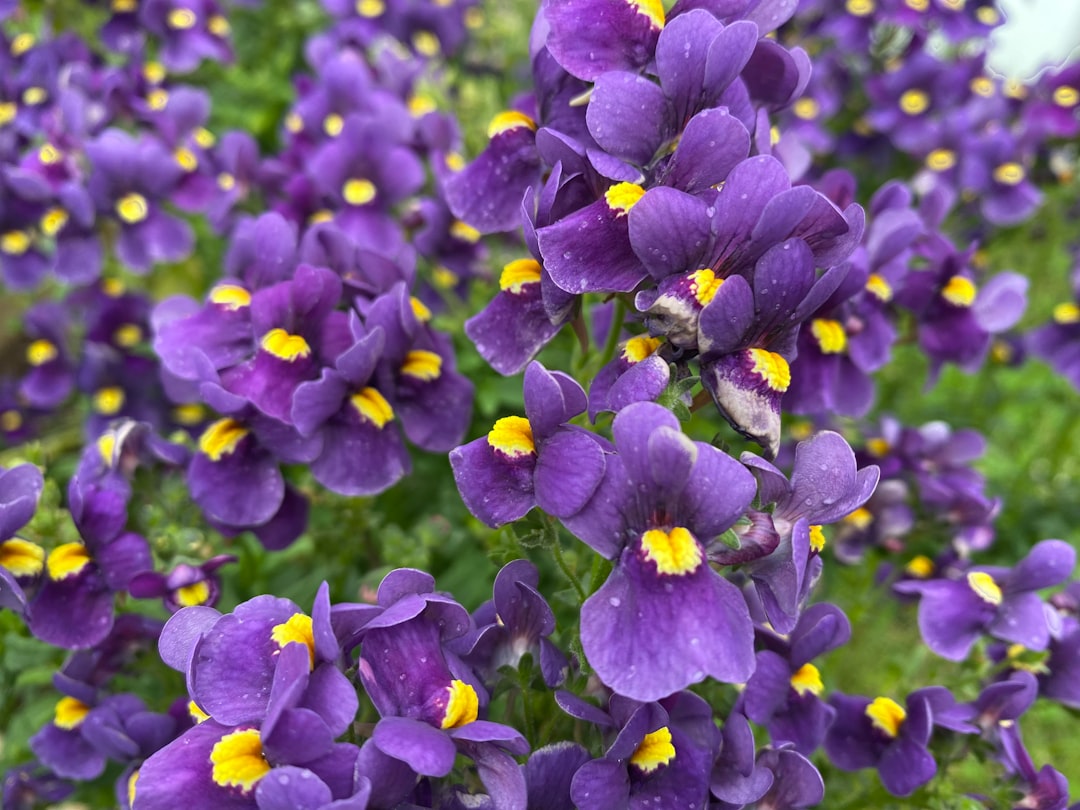
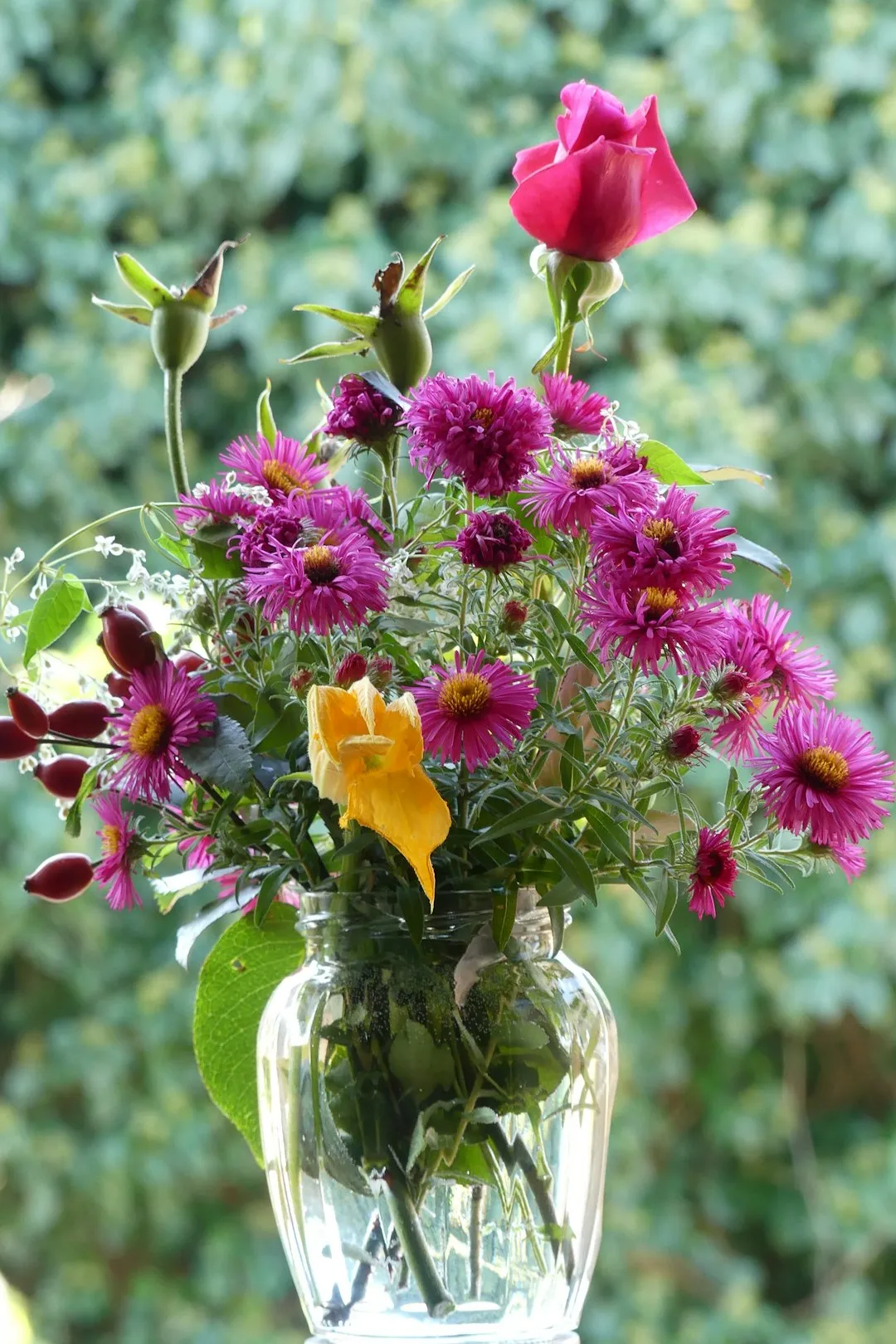
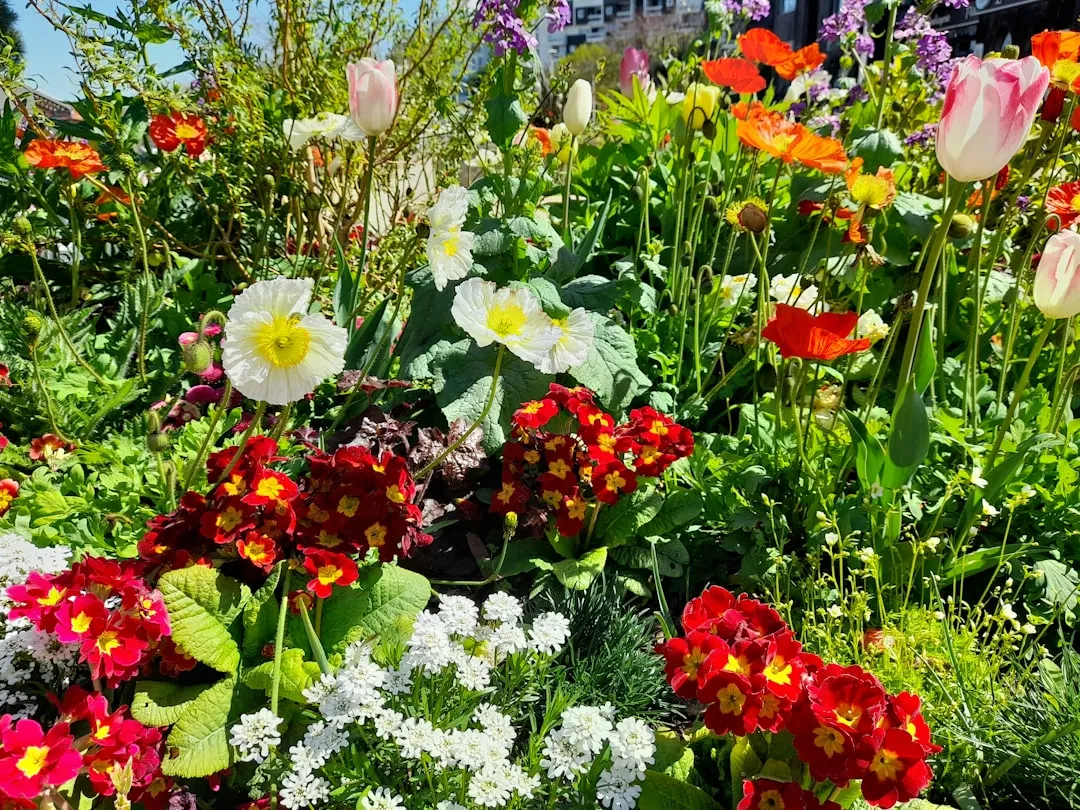
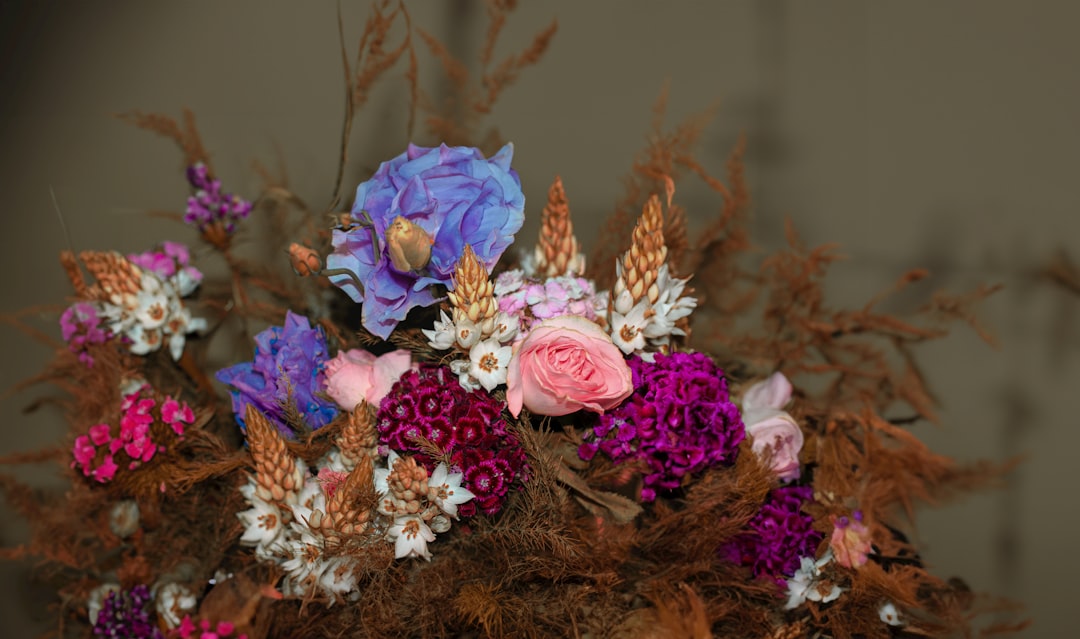
The flowers of this mint relative are a sight to behold. They come in a variety of colors, from soft pastels to vibrant hues. Whether you prefer the delicate pinks, purples, or the bold blues, there's a shade to suit every gardener's taste. The blooms are often small but are clustered together in dense inflorescences, creating a showy display that can last for months on end.
### Planting and Care
Planting this perennial is relatively straightforward. It thrives in well - drained soil and prefers a location that receives full sun to partial shade. When choosing a spot in your garden, make sure it has enough space to spread out, as some varieties can grow quite bushy. Dig a hole that is slightly larger than the root ball of the plant and gently place it in the hole. Backfill with soil and water thoroughly.
Watering is an important aspect of caring for this plant. While it is somewhat drought - tolerant once established, it still needs regular watering, especially during hot, dry spells. Aim to keep the soil evenly moist but not waterlogged. Overwatering can lead to root rot, which can be detrimental to the plant's health.
Fertilizing is also beneficial. A balanced, slow - release fertilizer can be applied in the spring to give the plant a boost of nutrients. This will help it grow strong and produce an abundance of flowers. Pruning is another key care step. After the first flush of blooms has faded, you can trim back the spent flowers to encourage new growth and more blooms. In the fall, you can cut the plant back to the ground to prepare it for the winter months.
### Designing with the Mint Relative
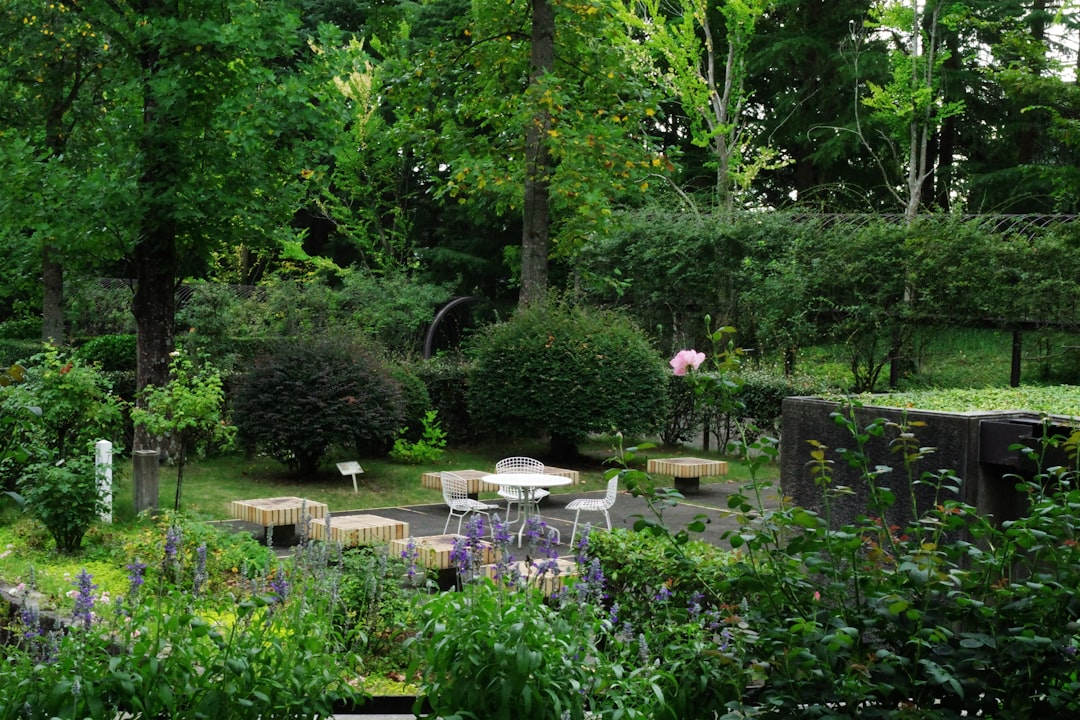
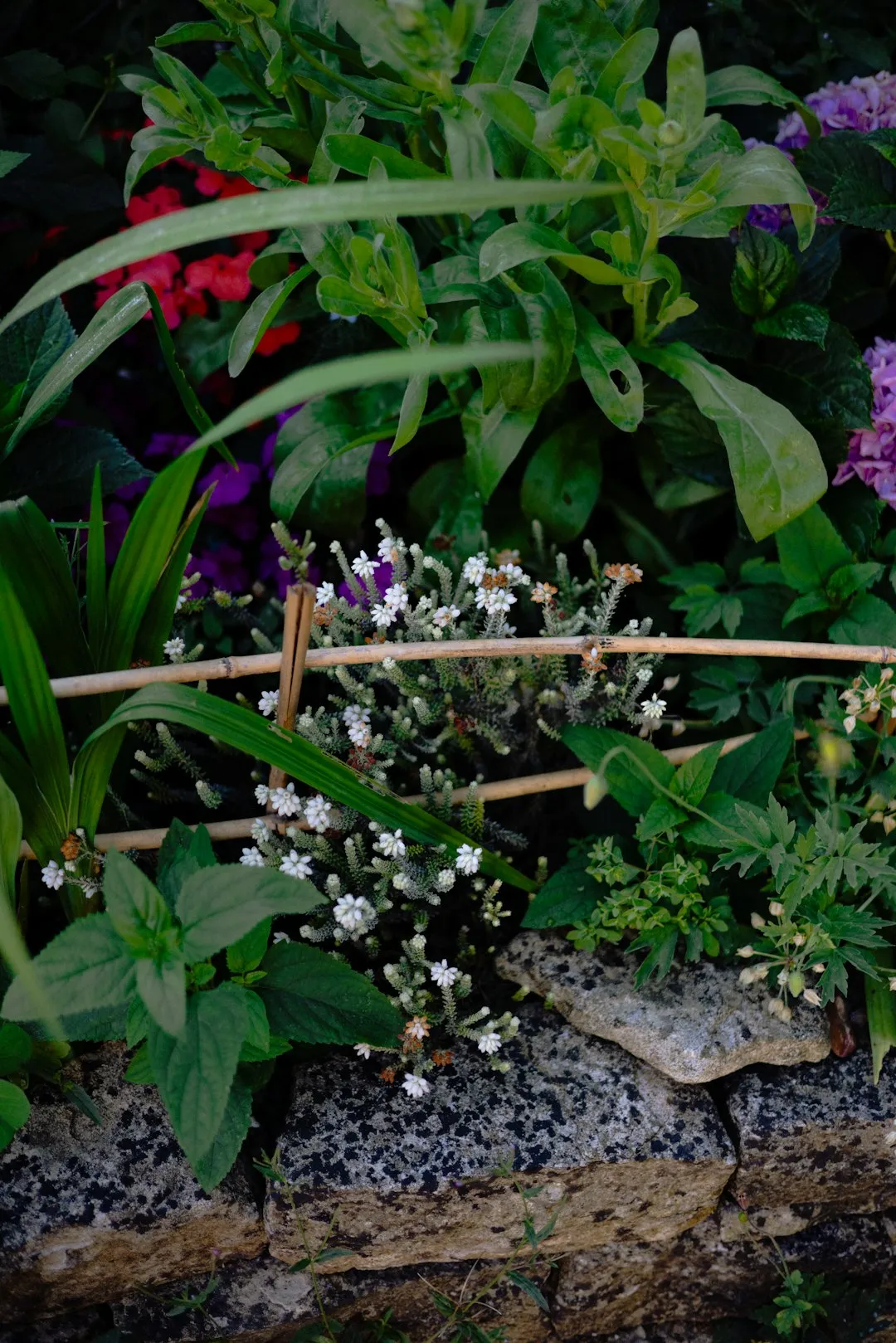
This plant is incredibly versatile when it comes to garden design. It can be used as a border plant, lining the edges of your flower beds and adding a pop of color. You can also plant it in containers, creating a portable display that can be moved around your patio or deck. Mix it with other perennials and annuals for a more diverse and interesting look.
For example, pair it with lavender for a harmonious color combination and a double dose of fragrance. Or, plant it alongside coneflowers and black - eyed Susans for a vibrant, cottage - style garden. The possibilities are endless, and you can let your creativity run wild when designing your garden with this mint relative.
### The Benefits of Pollinators
As mentioned earlier, attracting pollinators to your garden is not only aesthetically pleasing but also ecologically important. Bees are essential for pollinating many of the fruits and vegetables we eat. By providing a habitat for them in your garden, you are contributing to the local food chain. Butterflies add a touch of grace and beauty as they flit from flower to flower, and hummingbirds bring a sense of excitement with their rapid movements and iridescent feathers.
Pollinators also help to ensure the reproduction of your plants. When they visit the flowers of the mint relative, they transfer pollen from one flower to another, allowing the plant to produce seeds. This is crucial for the survival of the species and can also lead to new plants popping up in your garden over time.
In conclusion, the lovely, aromatic mint relative is a must - have for any garden. Its long - lasting blooms, delightful fragrance, and ability to attract pollinators make it a valuable addition to your outdoor space. Whether you're a seasoned gardener or just starting out, this perennial is sure to bring joy and beauty to your garden for years to come.
New