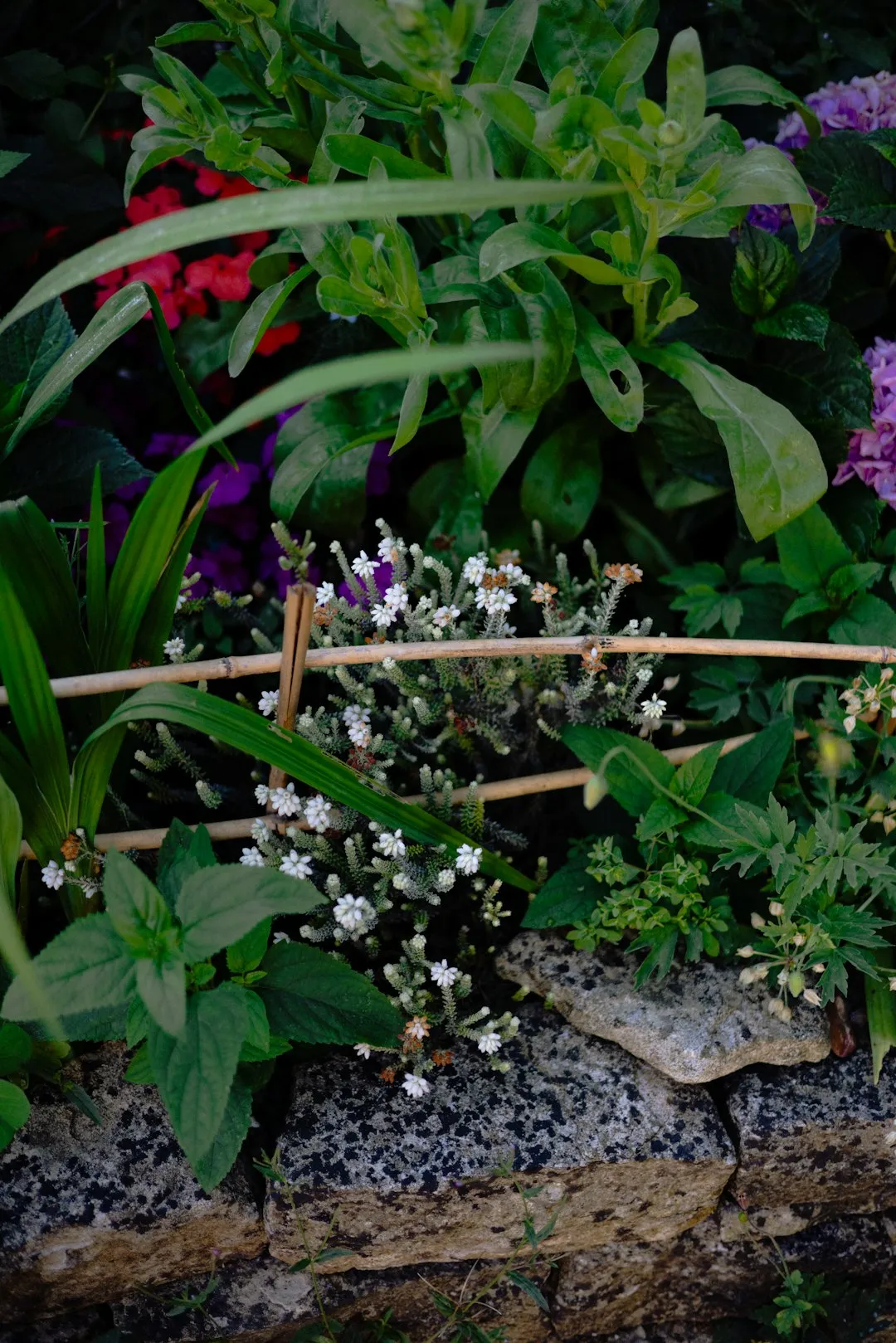
Edible gardening has gained significant popularity in recent years, offering a rewarding and sustainable way to grow your own food. Among the many herbs that can be cultivated, German and Roman chamomile stand out as versatile and valuable additions to any edible garden. Not only are they known for their delightful fragrance and calming properties, but they can also serve as an edible herb, groundcover, and even a lawn substitute.
### Understanding German and Roman Chamomile
German chamomile (Matricaria chamomilla) and Roman chamomile (Chamaemelum nobile) are two distinct species with similar characteristics. German chamomile is an annual plant that can grow up to 2 feet tall, while Roman chamomile is a perennial that typically reaches a height of 6 to 12 inches. Both varieties produce daisy - like flowers with white petals and yellow centers, which are the most commonly used parts of the plant.
### Growing Conditions
#### Sunlight
Both German and Roman chamomile thrive in full sun to partial shade. They require at least 6 hours of sunlight per day to grow and flower properly. If you live in a region with extremely hot summers, providing some afternoon shade can prevent the plants from getting stressed.
#### Soil
These chamomile varieties prefer well - drained soil. A loamy soil with a pH between 6.0 and 7.0 is ideal. You can improve the soil structure by adding organic matter such as compost or well - rotted manure before planting. This will help retain moisture while also ensuring good drainage.
#### Watering
Chamomile plants need regular watering, especially during dry spells. However, they do not tolerate waterlogged soil. Water the plants deeply but infrequently, allowing the top inch of soil to dry out between waterings. Overwatering can lead to root rot and other diseases.
### Planting German and Roman Chamomile
#### Seeds
You can start German chamomile from seeds directly sown in the garden after the last frost date. Scatter the seeds on the soil surface and lightly press them in, as they need light to germinate. Keep the soil moist until the seeds sprout, which usually takes about 7 to 14 days. Roman chamomile can also be grown from seeds, but it may take a bit longer to germinate. You can also purchase young plants from a nursery for quicker results.
#### Spacing
When planting chamomile, space the plants appropriately. German chamomile should be spaced about 8 to 12 inches apart, while Roman chamomile can be planted 6 to 8 inches apart. This allows enough room for the plants to grow and spread.
### Using Chamomile as an Edible Herb
The flowers of both German and Roman chamomile are edible and can be used in a variety of ways. You can add fresh chamomile flowers to salads for a subtle, sweet flavor. They can also be used to make herbal teas, which are known for their calming and relaxing effects. To make chamomile tea, simply steep a handful of fresh or dried flowers in hot water for 5 to 10 minutes.
### Chamomile as Groundcover
Roman chamomile is an excellent choice for groundcover. Its low - growing, spreading habit makes it perfect for filling in gaps between stepping stones or along the edges of flower beds. As it grows, it forms a dense mat of foliage that helps suppress weeds. The fragrant flowers also add a lovely aesthetic touch to the garden.
### Chamomile as a Lawn Substitute
If you're looking for an alternative to a traditional grass lawn, German and Roman chamomile can be a great option. They require less mowing and maintenance compared to grass. You can create a chamomile lawn by planting the seeds or young plants in a prepared area. Once established, it will create a soft, fragrant surface that is pleasant to walk on.
### Maintenance and Care
#### Pruning
Regular pruning can help keep chamomile plants healthy and bushy. Pinch back the tips of the plants to encourage branching. After the flowers have faded, you can cut back the plants to promote new growth.
#### Pests and Diseases
Chamomile is generally resistant to most pests and diseases. However, aphids and spider mites can sometimes be a problem. You can control these pests by spraying the plants with a strong stream of water or using an insecticidal soap.
In conclusion, growing German and Roman chamomile in your edible garden offers numerous benefits. Whether you use them as an edible herb, groundcover, or lawn substitute, these versatile plants are sure to enhance the beauty and functionality of your garden. With the right growing conditions and a little care, you can enjoy the many rewards that chamomile has to offer.
New