In the world of gardening, the concept of companion planting has long been recognized as a powerful technique to enhance the health and productivity of plants. When it comes to fruit trees, choosing the right companion plants can make a significant difference in their growth and overall well - being. Let's explore some of the best companion plants for fruit trees and understand how this practice can benefit them.
One of the key advantages of companion planting with fruit trees is pest control. Many companion plants act as natural repellents for common pests that can damage fruit trees. For example, marigolds are well - known for their ability to repel nematodes, which are microscopic worms that can attack the roots of fruit trees. By planting marigolds around the base of fruit trees, you can create a protective barrier against these harmful pests. Another great pest - repelling companion is garlic. Garlic emits a strong odor that deters many insects, including aphids and fruit flies. Planting garlic cloves near fruit trees can help keep these pests at bay.
Companion plants can also improve soil fertility. Legumes, such as clover and beans, are nitrogen - fixing plants. They have a symbiotic relationship with bacteria in the soil that allows them to convert atmospheric nitrogen into a form that plants can use. When these legumes are planted near fruit trees, they release nitrogen into the soil, which is an essential nutrient for the growth of fruit trees. This natural fertilization can reduce the need for chemical fertilizers and promote a healthier soil ecosystem.
Some companion plants can attract beneficial insects. For instance, dill and fennel are excellent choices for attracting pollinators like bees and butterflies. Bees are crucial for the pollination of fruit trees, as they transfer pollen from the male to the female parts of the flowers, enabling fruit set. By having these pollinator - attracting plants in the vicinity of fruit trees, you can increase the chances of a good fruit harvest. Additionally, some beneficial insects, such as ladybugs and lacewings, prey on harmful pests. Yarrow is a plant that attracts these beneficial predators, helping to keep pest populations in check.
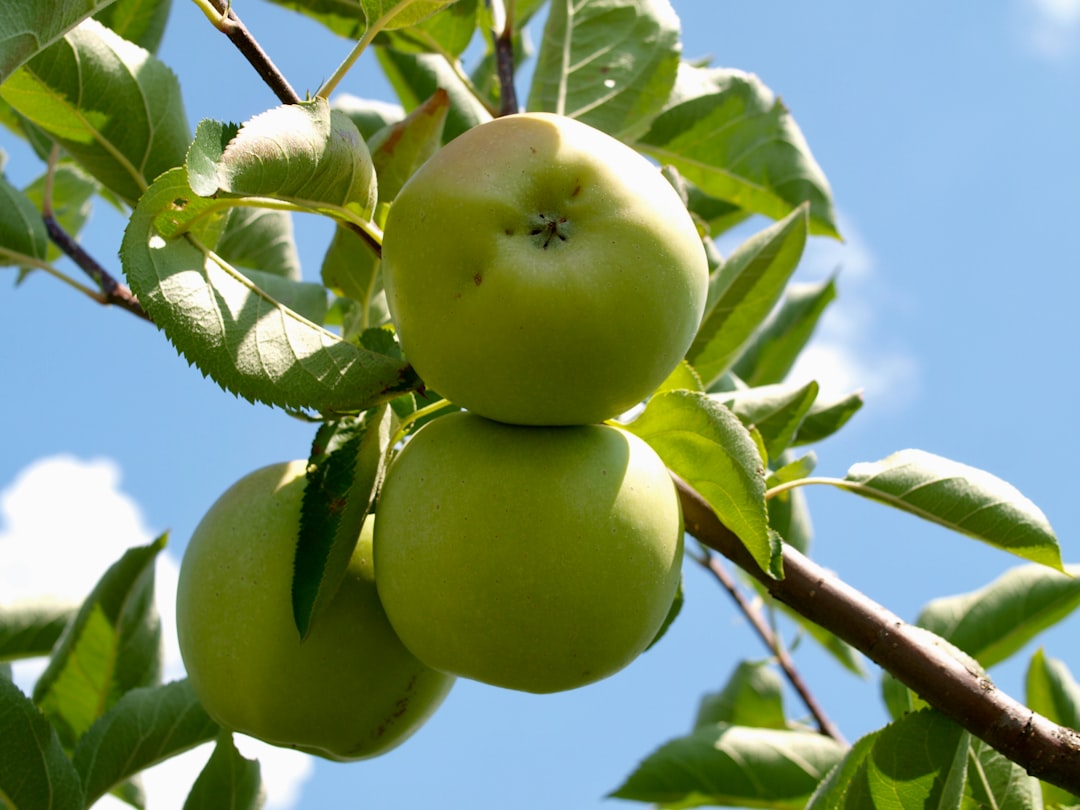
When it comes to specific fruit trees, different companion plants are more suitable. For apple trees, chives can be a great companion. Chives not only help repel apple scab, a common fungal disease, but also add a bit of aesthetic appeal to the garden. Strawberries can also be planted under apple trees. They have a shallow root system that does not compete with the apple tree's roots for nutrients and water, and they can act as a living mulch, helping to retain soil moisture.
For citrus trees, nasturtiums are a wonderful companion. Nasturtiums attract aphids away from the citrus trees. Instead of attacking the citrus, the aphids are drawn to the nasturtiums, which can then be easily removed or managed. Lavender is another good companion for citrus trees. Its pleasant fragrance can mask the scent of the citrus, making it less attractive to some pests, and it also attracts pollinators.
To implement companion planting with fruit trees, it's important to consider the spacing and growth requirements of both the fruit trees and the companion plants. Make sure the companion plants do not overcrowd the fruit trees or compete too vigorously for resources. Also, choose plants that are well - adapted to the local climate and soil conditions. With a little planning and experimentation, you can create a thriving garden where fruit trees and their companion plants coexist harmoniously, leading to healthier, more productive fruit trees.
In conclusion, companion planting is a valuable strategy in edible gardening. By carefully selecting the right companion plants for fruit trees, you can enhance pest control, improve soil fertility, attract beneficial insects, and ultimately, enjoy a bountiful harvest of delicious fruits. Whether you are a novice gardener or an experienced horticulturist, incorporating companion planting into your fruit tree gardening routine is a step towards a more sustainable and successful garden.
New