Edible gardening has gained immense popularity in recent years, and growing herbs like parsley in pots is a delightful and rewarding endeavor. Whether you have a spacious garden or a cozy balcony, cultivating parsley in containers allows you to enjoy its fresh flavor and numerous health benefits right at your fingertips. In this article, we will take the guesswork out of growing parsley in pots by providing you with simple tips on the best containers, soil, light, and water to use, both indoors and outdoors.
Choosing the Right Containers
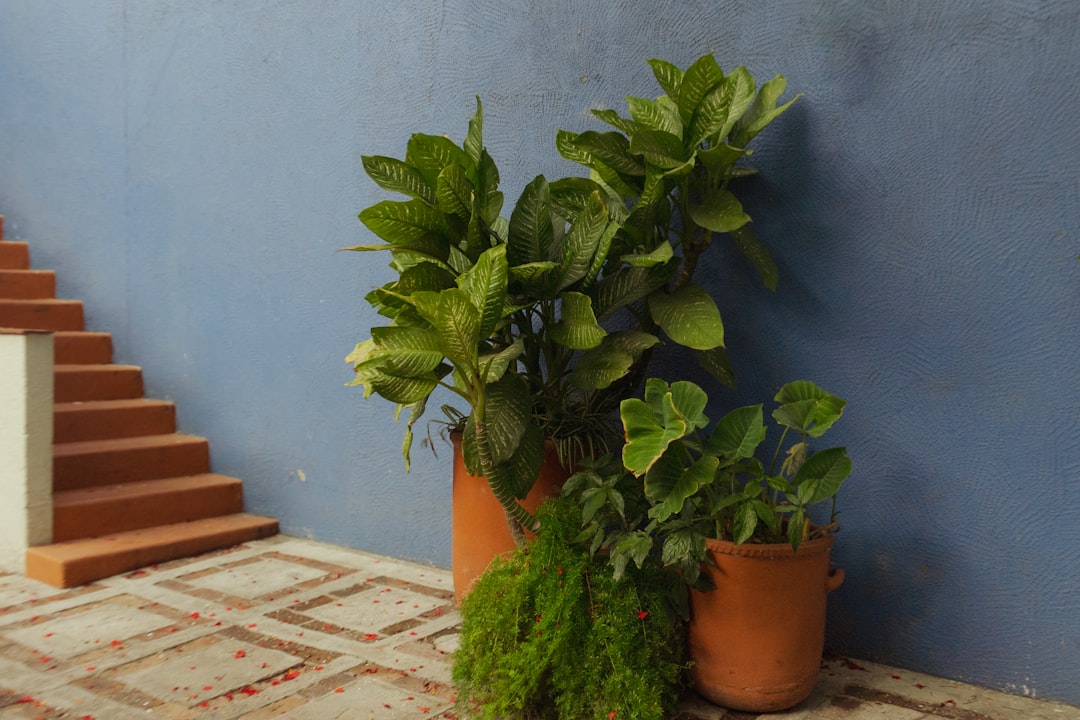
The first step in growing parsley in pots is selecting the appropriate containers. Parsley has a relatively shallow root system, so you don't need extremely deep pots. However, it does require enough space for the roots to spread and grow. Opt for containers that are at least 6 to 8 inches deep and have drainage holes at the bottom to prevent waterlogging. You can choose from a variety of materials, such as terracotta, plastic, or ceramic pots. Terracotta pots are porous, which allows for better air circulation and helps prevent over - watering. Plastic pots, on the other hand, are lightweight and retain moisture better. Ceramic pots can add an aesthetic touch to your garden or indoor space.
Selecting the Ideal Soil
Good soil is the foundation for healthy parsley growth. Parsley thrives in well - draining, fertile soil. A high - quality potting mix is an excellent choice as it is formulated to provide the right balance of nutrients, aeration, and drainage. You can also add some organic matter, such as compost or well - rotted manure, to the potting mix to enhance its fertility. The pH level of the soil should be slightly acidic to neutral, around 6.0 to 7.0. You can test the soil pH using a simple soil testing kit available at most garden centers. If the soil is too acidic, you can add some lime to raise the pH, and if it's too alkaline, you can add sulfur to lower it.
Providing Adequate Light
Parsley is a sun - loving herb, but it can also tolerate partial shade. When growing parsley outdoors, choose a location that receives at least 4 to 6 hours of sunlight per day. If you live in a region with extremely hot summers, some afternoon shade can prevent the parsley from wilting. Indoors, place the pots near a south - facing window where they can get plenty of sunlight. If natural light is limited, you can use artificial grow lights. LED grow lights are energy - efficient and can provide the right spectrum of light for parsley growth. Keep the lights on for about 12 to 16 hours a day to mimic natural daylight conditions.
Watering Wisely
Watering is crucial for the health of your potted parsley. The soil should be kept consistently moist but not waterlogged. Over - watering can lead to root rot, while under - watering can cause the parsley to wilt and become stunted. Check the soil moisture regularly by sticking your finger about an inch into the soil. If it feels dry, it's time to water. When watering, pour the water slowly at the base of the plant until it starts to drain out of the bottom of the pot. Avoid getting the leaves wet, as this can increase the risk of fungal diseases. During hot and dry weather, you may need to water more frequently, while in cooler and more humid conditions, you can reduce the watering frequency.
Planting and Maintenance
You can start parsley from seeds or seedlings. If starting from seeds, soak them in warm water for a few hours before planting to speed up germination. Sow the seeds about 1/4 inch deep in the soil and keep the soil moist until they germinate, which usually takes about 2 to 3 weeks. Once the seedlings have a few sets of true leaves, you can thin them out to about 6 to 8 inches apart to give them enough space to grow. Fertilize your potted parsley every 4 to 6 weeks with a balanced liquid fertilizer to provide it with the necessary nutrients. Pruning is also important to encourage bushier growth. Pinch off the top leaves regularly to prevent the plant from going to seed too quickly and to promote new growth.
Harvesting Parsley
You can start harvesting parsley when the plants are about 6 to 8 inches tall. To harvest, simply snip off the outer leaves at the base of the stem. Avoid removing more than one - third of the plant at a time to ensure its continued growth. Freshly harvested parsley can be used in a variety of culinary dishes, such as soups, salads, sauces, and garnishes. You can also dry the parsley leaves for later use. To dry them, tie the stems together and hang them upside down in a warm, well - ventilated area until they are completely dry. Then, crush the leaves and store them in an airtight container.
In conclusion, growing parsley in pots is a simple and enjoyable way to add fresh herbs to your diet. By following these tips on containers, soil, light, water, planting, maintenance, and harvesting, you can ensure a bountiful harvest of delicious and healthy parsley, whether you are growing it indoors or outdoors in your garden.
New