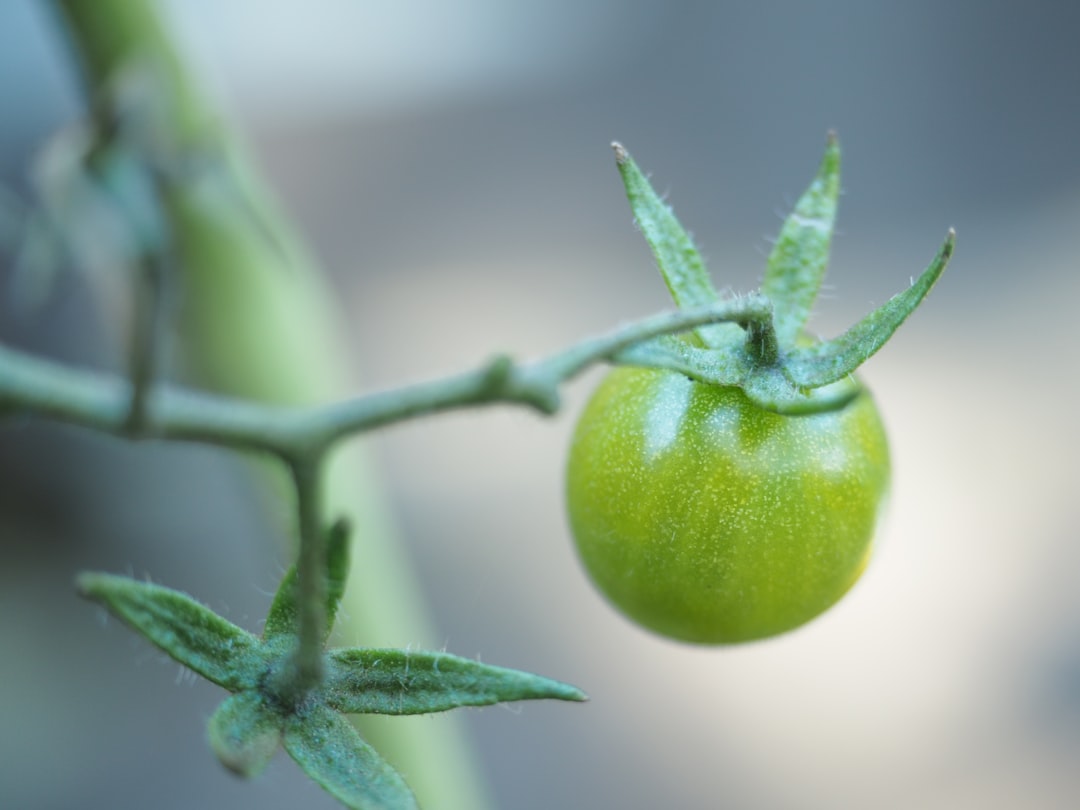
Tomatoes are a staple in many gardens, but the dreaded blossom end rot can quickly turn your gardening dreams into a nightmare. Fear not, as we unveil four essential tips to help you prevent tomato blossom end rot and achieve your best harvest yet.
First and foremost, it's crucial to understand the root cause of blossom end rot. This common tomato ailment is typically caused by a calcium deficiency in the developing fruit. Calcium is essential for cell wall development, and when there's a lack of it, the blossom end of the tomato begins to break down, resulting in a dark, sunken lesion. However, it's not always as simple as just adding more calcium to the soil. Other factors, such as inconsistent watering, can also contribute to the problem.
Tip 1: Maintain Consistent Soil Moisture
One of the primary causes of blossom end rot is inconsistent watering. Tomatoes need a steady supply of moisture to absorb calcium properly. When the soil dries out and then gets flooded with water, it can disrupt the plant's ability to take up calcium. To prevent this, water your tomato plants deeply and regularly. Aim for about 1 - 2 inches of water per week, either from rainfall or irrigation. A soaker hose or drip irrigation system is an excellent way to ensure that the water reaches the roots slowly and evenly, minimizing the risk of over - or under - watering.
Tip 2: Test and Amend Your Soil
Before planting your tomatoes, it's a good idea to test your soil. A soil test will reveal the pH level and nutrient content of your soil. Tomatoes prefer a slightly acidic soil with a pH between 6.0 and 6.8. If your soil is too alkaline or acidic, it can affect the availability of calcium to the plants. You can adjust the pH by adding lime to raise it or sulfur to lower it. Additionally, make sure your soil is rich in organic matter. Compost, well - rotted manure, or leaf mold can improve the soil structure, water - holding capacity, and nutrient availability. Adding a slow - release calcium fertilizer, such as gypsum, can also help ensure an adequate supply of calcium throughout the growing season.
Tip 3: Mulch Your Plants
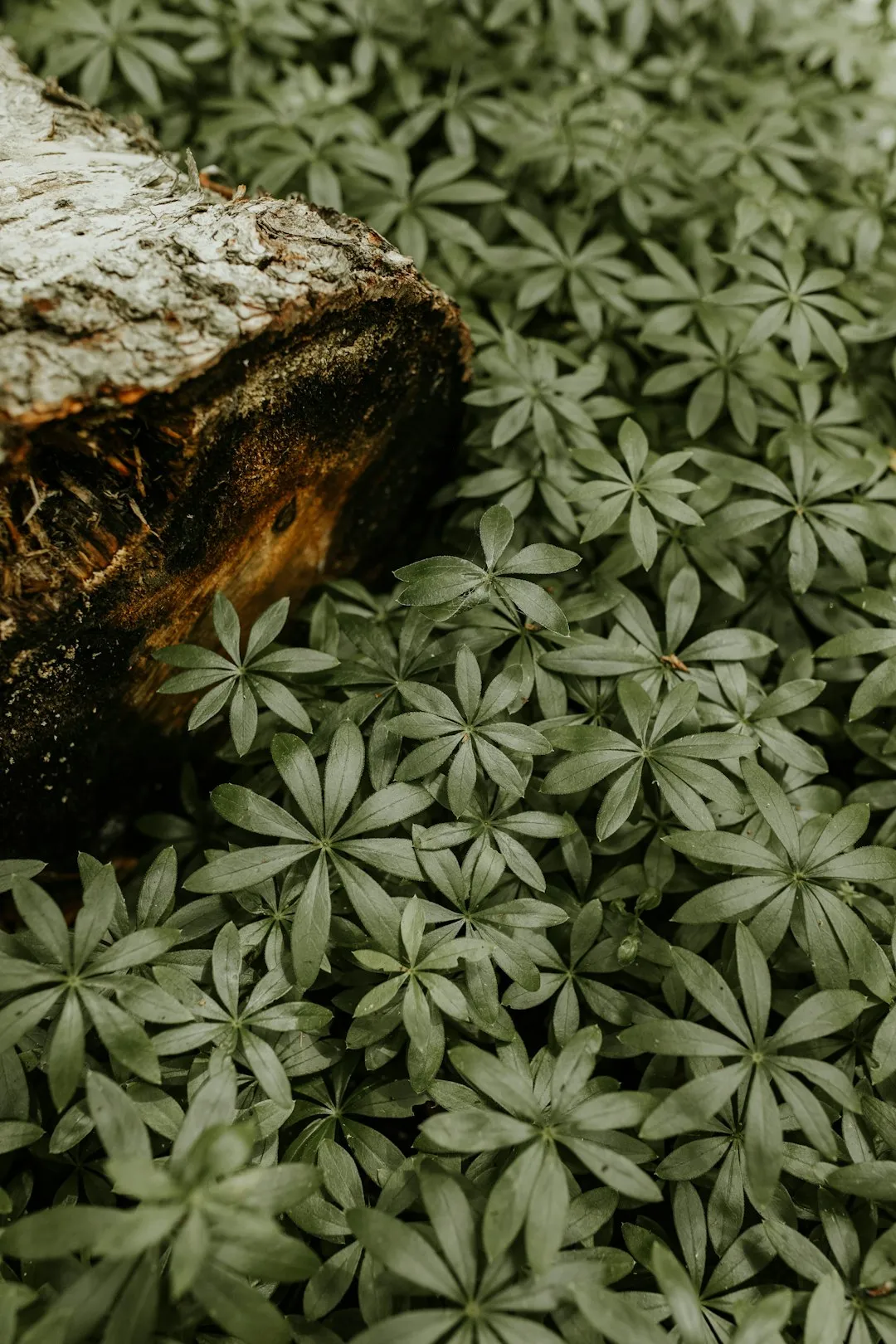
Mulching is a simple yet effective way to prevent blossom end rot. A layer of organic mulch, such as straw, shredded leaves, or grass clippings, helps to regulate soil temperature and moisture. It keeps the soil cool in hot weather and reduces evaporation, preventing the soil from drying out too quickly. Mulch also helps to prevent soil splashing onto the leaves and fruit, which can reduce the spread of diseases. Apply a 2 - 3 inch layer of mulch around the base of your tomato plants, being careful not to pile it up against the stems.
Tip 4: Prune and Support Your Plants
Proper pruning and support are essential for healthy tomato plants. Pruning helps to improve air circulation around the plants, reducing the risk of fungal diseases. It also allows the plant to focus its energy on producing fruit rather than excessive foliage. Remove any suckers that grow in the axils of the branches, as well as any yellow or diseased leaves. Supporting your tomato plants with stakes, cages, or trellises keeps the fruit off the ground, preventing it from coming into contact with soil - borne pathogens. It also makes it easier to water and harvest the tomatoes.
In conclusion, by following these four tips - maintaining consistent soil moisture, testing and amending your soil, mulching your plants, and pruning and supporting them - you can significantly reduce the risk of tomato blossom end rot. With a little care and attention, you'll be able to enjoy a bountiful harvest of delicious, healthy tomatoes all season long. So, roll up your sleeves, get out in the garden, and put these strategies into action for a successful edible gardening experience.
New