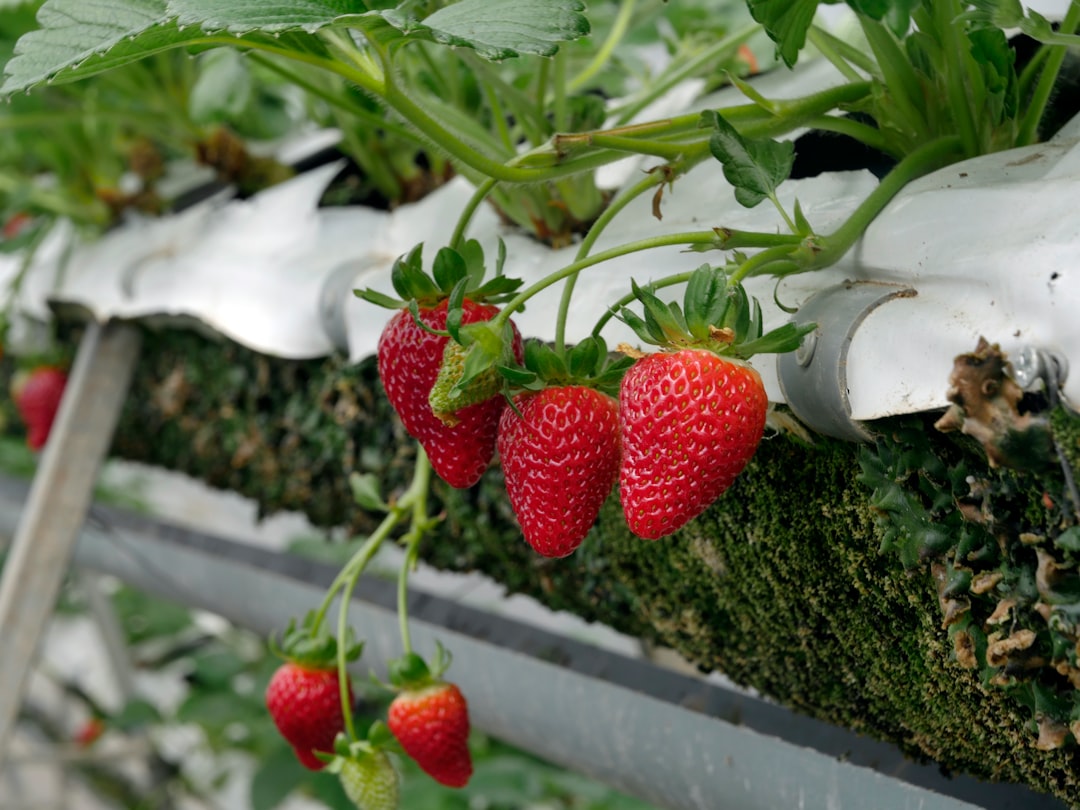
Edible gardening is a rewarding endeavor, and growing strawberries is a popular choice among gardeners. Whether you're cultivating them in pots on your balcony or in garden beds in your backyard, understanding how and when to water strawberry plants is crucial for their health and productivity. In this article, we'll explore the best practices for watering strawberries to ensure they thrive.
Strawberries have specific water requirements that vary depending on several factors, including the stage of growth, the type of soil, and the weather conditions. During the early stages of growth, when the plants are establishing their root systems, they need consistent moisture. This helps the roots to grow deep and strong, providing a solid foundation for the plant. As the plants mature and start to produce fruit, they require more water to support the development of plump, juicy strawberries.
One of the most important things to keep in mind when watering strawberry plants is to avoid overwatering. Overwatering can lead to a variety of problems, including root rot, fungal diseases, and poor fruit quality. To prevent overwatering, it's essential to water the plants deeply but infrequently. This allows the soil to dry out slightly between waterings, which encourages the roots to grow deeper in search of moisture. A good rule of thumb is to water the plants when the top inch of soil feels dry to the touch.
When watering strawberry plants, it's best to use a soaker hose or a drip irrigation system. These methods deliver water directly to the soil, minimizing the amount of water that comes into contact with the leaves and fruit. This helps to prevent the spread of diseases, such as powdery mildew and botrytis, which can thrive in moist conditions. If you don't have a soaker hose or a drip irrigation system, you can also water the plants by hand using a watering can or a garden hose with a gentle spray nozzle.
In addition to watering the plants at the right time and using the right method, it's also important to water them in the right way. When watering, aim to wet the soil evenly around the base of the plant. Avoid getting water on the leaves and fruit, as this can increase the risk of disease. If you do get water on the leaves, make sure to dry them off as soon as possible to prevent the growth of fungi.
Another factor to consider when watering strawberry plants is the type of soil they're growing in. Strawberries prefer well-draining soil that is rich in organic matter. If your soil is heavy or clayey, it may not drain well, which can lead to waterlogging and root rot. To improve the drainage of your soil, you can add compost, peat moss, or perlite to the planting area. This will help to loosen the soil and allow water to drain more freely.
The weather conditions also play a significant role in determining how often and how much to water your strawberry plants. During hot, dry weather, the plants will need more water to stay hydrated. On the other hand, during cool, wet weather, they may need less water. It's important to monitor the weather conditions and adjust your watering schedule accordingly. You can also use a moisture meter to check the moisture level of the soil and determine when it's time to water.
Finally, it's important to remember that watering is just one aspect of caring for strawberry plants. To ensure their health and productivity, you also need to provide them with the right amount of sunlight, nutrients, and protection from pests and diseases. By following these tips and best practices, you can grow delicious, healthy strawberries in your own garden.
In conclusion, watering strawberry plants correctly is essential for their growth and productivity. By understanding the specific water requirements of strawberries, using the right watering method, and watering at the right time, you can ensure that your plants thrive and produce a bountiful harvest. So, get out there and start watering your strawberries today!
New