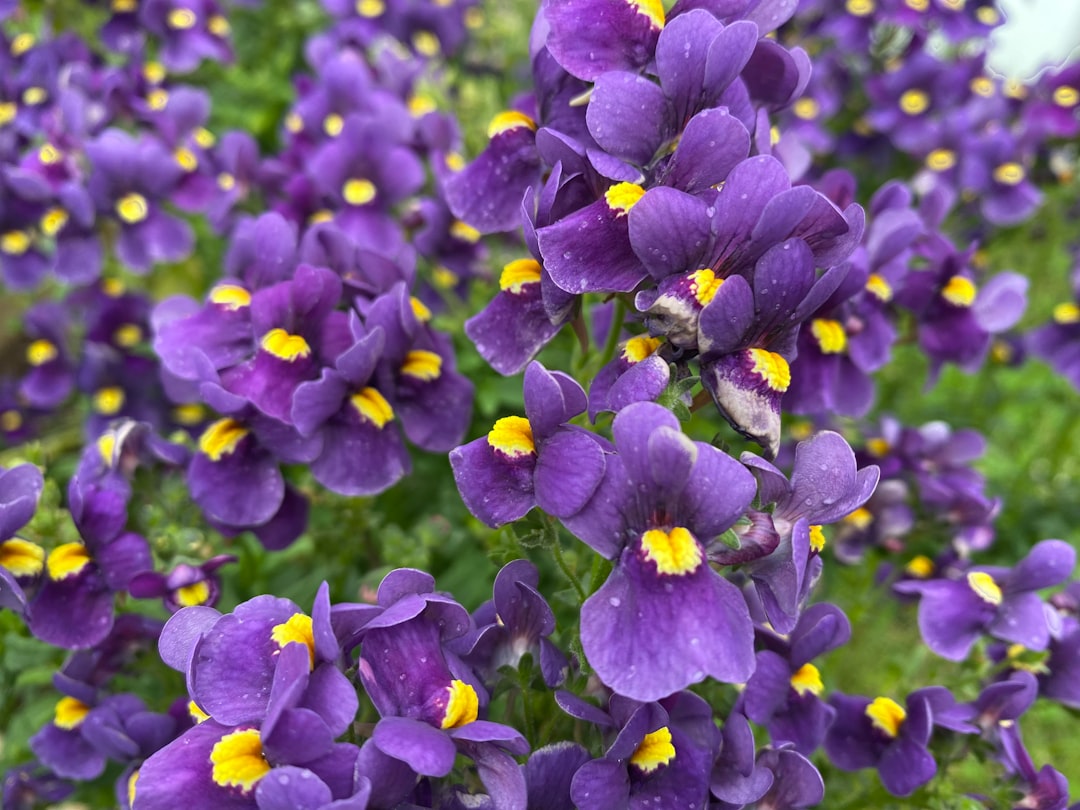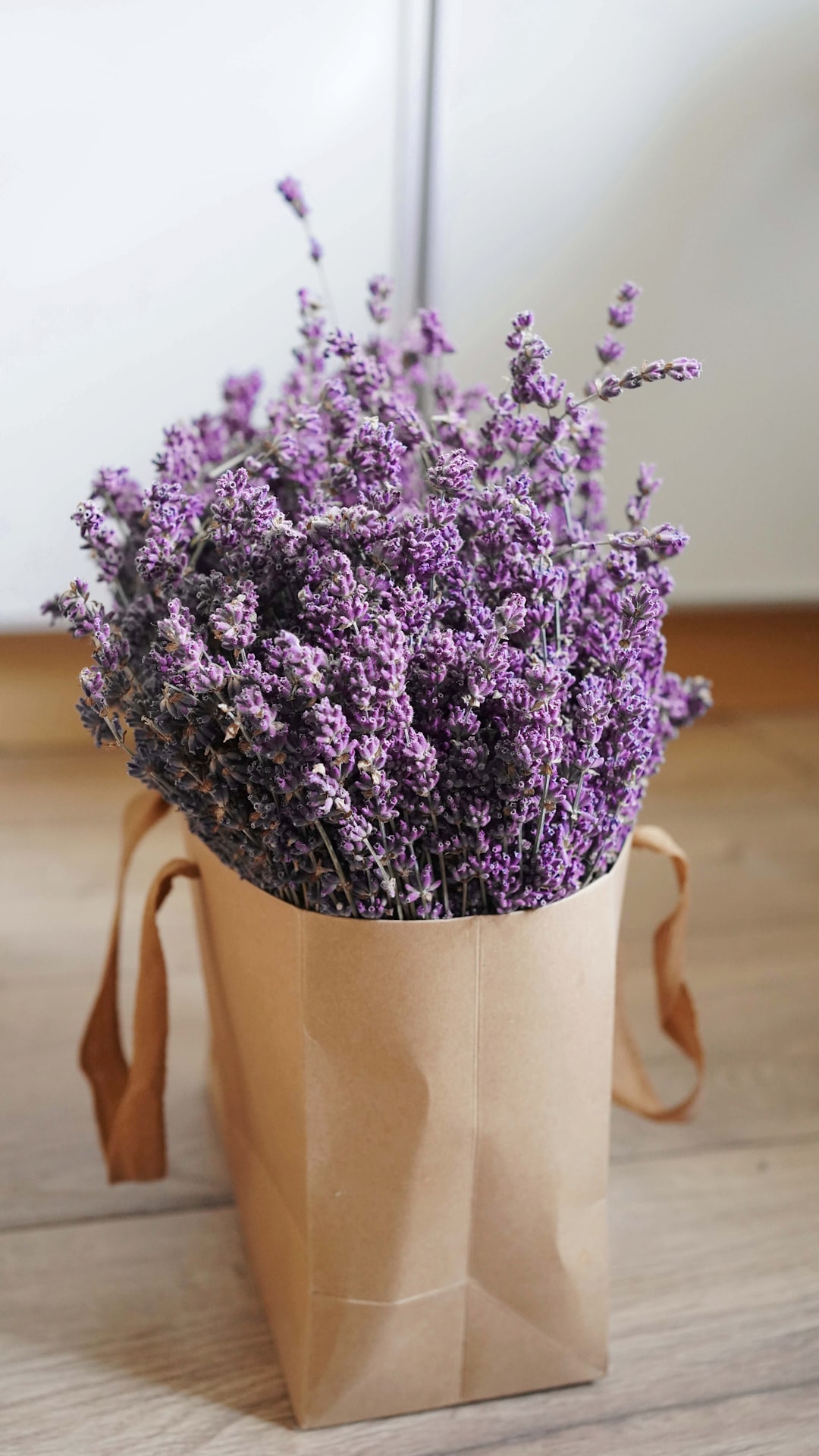
Lavender, with its enchanting fragrance and beautiful purple - hued blossoms, is a beloved herb in many gardens. Whether you're growing it in the ground outdoors or in pots indoors, ensuring that your lavender plant comes back strong year after year is a rewarding endeavor. In this article, we'll explore the best practices for overwintering lavender and keeping it healthy throughout the seasons.
### Understanding Lavender's Needs
Lavender is a Mediterranean plant, which means it thrives in well - drained soil, plenty of sunlight, and relatively dry conditions. Before the winter sets in, it's crucial to understand these basic requirements and make adjustments accordingly.
#### Soil Preparation
For outdoor lavender, the soil should be well - drained. If your soil has a high clay content, consider amending it with sand or gravel to improve drainage. This is especially important during the winter months when waterlogged soil can lead to root rot. You can dig a small trench around the lavender plant to help with water runoff. For potted lavender, use a high - quality potting mix that is specifically formulated for herbs or succulents. These mixes usually have good drainage properties.
#### Sunlight Exposure
Lavender needs at least six hours of sunlight per day. In the winter, the days are shorter, so it's important to place your potted lavender in the sunniest spot in your home. For outdoor lavender, make sure there are no large trees or structures blocking the sunlight. If possible, prune any nearby branches that might cast shadows on the lavender plant during the winter.
### Overwintering Lavender Outdoors
#### Pruning
Pruning is an essential step in overwintering lavender outdoors. In late summer or early fall, trim back about one - third of the plant's growth. This helps to keep the plant compact and encourages new growth in the spring. However, avoid pruning too late in the fall, as this can stimulate new growth that may not have time to harden off before the cold weather arrives.
#### Mulching
Applying a layer of mulch around the base of the outdoor lavender plant can provide insulation and protect the roots from freezing temperatures. Use a light mulch such as straw or pine needles. Avoid using heavy mulches like bark chips, as they can hold too much moisture and cause problems for the lavender. Spread the mulch about 2 - 3 inches thick, but keep it a few inches away from the stem of the plant to prevent rot.
#### Protection from Extreme Cold
If you live in an area with extremely cold winters, you may need to provide additional protection for your outdoor lavender. You can use a frost cloth or burlap to cover the plant. Secure the covering with stakes or rocks to prevent it from blowing away. Make sure the covering is not touching the plant directly, as this can cause damage.
### Overwintering Lavender Indoors
#### Moving the Plant Inside
If you have potted lavender, it's a good idea to bring it indoors before the first frost. Choose a location in your home that receives plenty of sunlight, such as a south - facing window. Make sure the room is well - ventilated, as lavender doesn't like stagnant air.
#### Watering and Fertilizing
Indoor lavender requires less water in the winter compared to the growing season. Water the plant only when the top inch of the soil is dry. Overwatering can lead to root rot. As for fertilizing, stop fertilizing the lavender in the fall and resume in the spring when new growth appears.
#### Monitoring for Pests and Diseases
Indoor environments can sometimes be a breeding ground for pests and diseases. Keep an eye out for common pests such as aphids and spider mites. If you notice any signs of infestation, treat the plant immediately with an appropriate insecticide or use natural remedies like neem oil. Also, watch for signs of fungal diseases, which can occur in humid conditions. Make sure to maintain proper air circulation around the plant to prevent these issues.
### Reviving Lavender in the Spring
As the weather warms up in the spring, it's time to start preparing your lavender for the growing season. For outdoor lavender, remove the mulch and any protective coverings once the danger of frost has passed. Prune any dead or damaged branches to encourage new growth. For indoor lavender, gradually acclimate the plant to the outdoor conditions by placing it outside for a few hours each day, increasing the time gradually over a week or two.
In conclusion, with proper care and attention, your lavender plant can come back strong year after year, whether it's growing outdoors in the ground or indoors in pots. By following these tips on overwintering, you'll be able to enjoy the beauty and fragrance of lavender for many seasons to come.
New