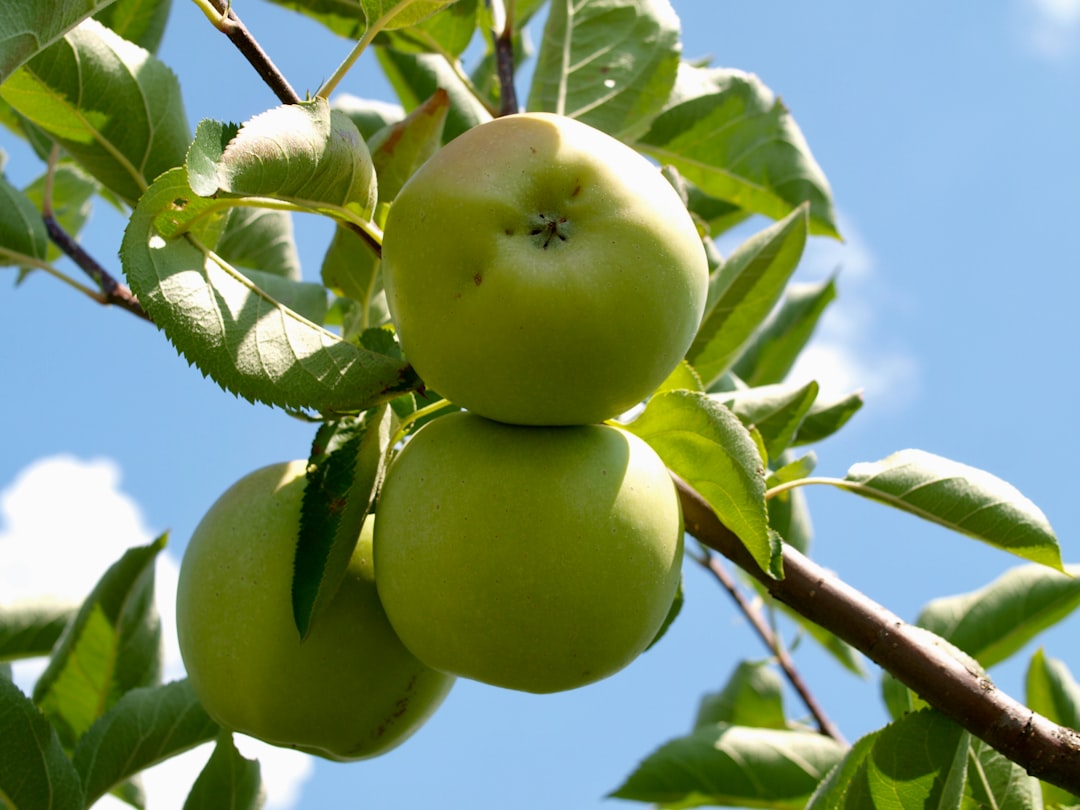
Edible gardening is a rewarding endeavor, and growing fruit trees, especially pear trees, can bring a bountiful harvest to your garden. However, pruning is a crucial aspect that often confuses many gardeners. In this article, we'll take the guesswork out of pruning pear trees with these must - know tips, including when and how to prune, and the right tools to use.
First and foremost, let's talk about the importance of pruning. Pruning pear trees serves several purposes. It helps to maintain the tree's shape, promotes healthy growth, and increases fruit production. By removing dead, diseased, or damaged branches, you prevent the spread of diseases and pests. Additionally, proper pruning allows more sunlight and air circulation to reach the inner parts of the tree, which is essential for the development of high - quality fruit.
When to Prune Pear Trees
The best time to prune pear trees is during the dormant season, which is typically in late winter or early spring before new growth begins. Pruning during this time minimizes stress on the tree and reduces the risk of disease. It also allows you to clearly see the tree's structure without the foliage getting in the way. However, light pruning can be done throughout the year to remove any broken or diseased branches as soon as you notice them.
If you prune too early in the winter, the tree may be more susceptible to cold damage. On the other hand, pruning too late in the spring can cause excessive sap bleeding, which can weaken the tree. So, it's important to find the right balance.
How to Prune Pear Trees
Before you start pruning, it's important to have a clear plan. Begin by removing any dead, diseased, or damaged branches. These branches can be identified by their lack of foliage, discoloration, or signs of pests. Use sharp pruning shears or a saw to make clean cuts close to the branch collar, which is the swollen area at the base of the branch where it meets the trunk or another branch.
Next, thin out the branches to improve air circulation and sunlight penetration. Remove any branches that are crossing or rubbing against each other, as this can cause damage and create entry points for diseases. Aim to create an open - centered or modified central leader shape for your pear tree. An open - centered tree has a vase - like shape with a central opening, while a modified central leader tree has a single main trunk with evenly spaced branches.
When pruning, make sure to cut at a 45 - degree angle to prevent water from pooling on the cut surface, which can lead to rot. Also, avoid leaving stubs, as they can become a breeding ground for pests and diseases.
The Right Tools for Pruning
Having the right tools is essential for successful pruning. Here are some of the tools you'll need:
- Pruning Shears: These are used for cutting small branches up to about ¾ inch in diameter. Look for sharp, bypass pruning shears for clean cuts.
- Loppers: Loppers are designed for cutting larger branches, typically between ¾ inch and 2 inches in diameter. They have long handles that provide extra leverage.
- Pruning Saw: A pruning saw is necessary for cutting branches larger than 2 inches in diameter. Choose a saw with a sharp, curved blade for easy cutting.
- Gloves: Wear thick gloves to protect your hands from thorns, sharp branches, and potential pests.
- Eye Protection: Safety glasses or goggles will protect your eyes from flying debris while pruning.
After using your tools, make sure to clean and disinfect them to prevent the spread of diseases. You can use a solution of one part bleach to nine parts water to clean the blades.
In conclusion, pruning pear trees is an important part of edible gardening. By following these tips on when and how to prune, and using the right tools, you can ensure the health and productivity of your pear trees. With a little practice and patience, you'll be able to master the art of pruning and enjoy a delicious harvest of pears for years to come.
New