Edible gardening is a rewarding endeavor that allows you to enjoy fresh, home - grown produce right from your backyard. One of the most crucial aspects of vegetable gardening is knowing when to pick your vegetables and using the best harvesting techniques. In this article, we'll explore how to tell when your garden vegetables are ready to be plucked and share some tips on the most effective harvesting methods.
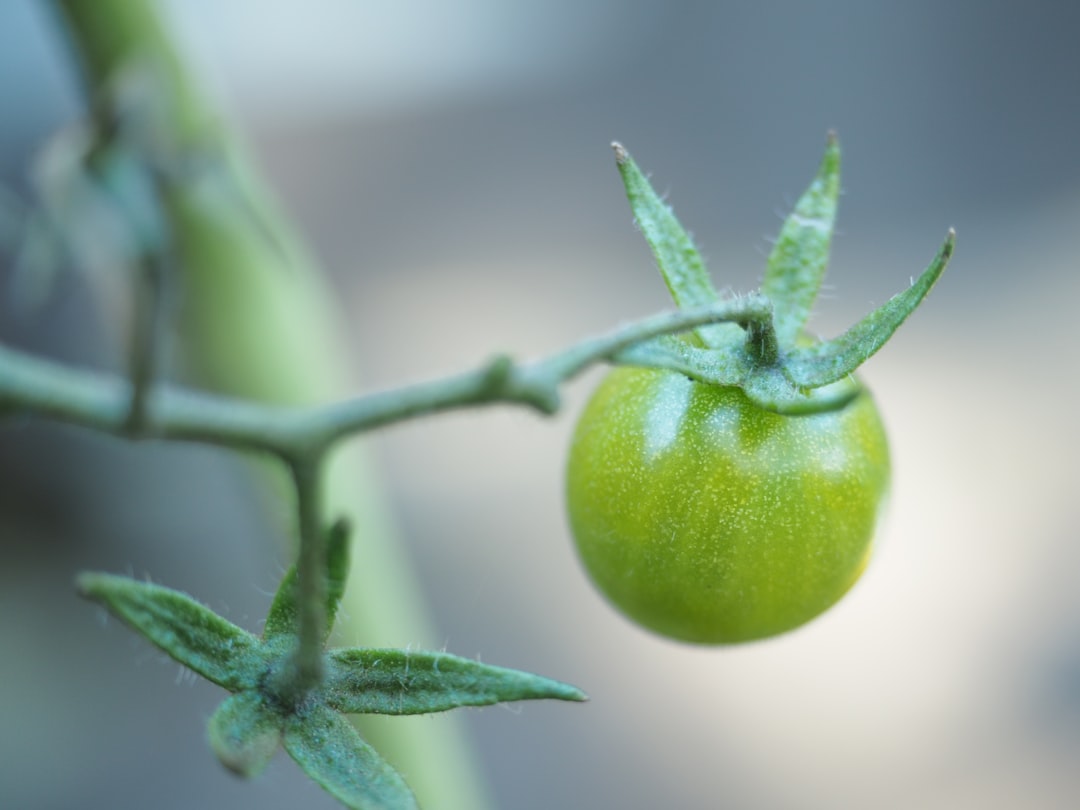
Let's start with tomatoes. These versatile vegetables come in a variety of shapes, sizes, and colors. Determining the right time to harvest tomatoes is relatively straightforward. A ripe tomato will have a vibrant color, whether it's red, yellow, orange, or even purple. Gently squeeze the tomato; it should give slightly under pressure but not be too soft. If it's too firm, it's not fully ripe. For slicing tomatoes, wait until they are fully colored and slightly soft. Cherry tomatoes can be harvested when they easily come off the vine with a gentle tug. When harvesting tomatoes, use a pair of sharp pruning shears or simply twist the tomato off the vine. This helps prevent damage to the plant and ensures a clean break.
Next up are cucumbers. Cucumbers are best harvested when they are still young and tender. For slicing cucumbers, aim to pick them when they are about 6 - 8 inches long. Pickling cucumbers can be harvested at a smaller size, around 3 - 4 inches. A ripe cucumber will have a bright green color and a firm texture. Avoid letting cucumbers grow too large, as they can become bitter and seedy. To harvest cucumbers, use a sharp knife or pruning shears to cut the stem about an inch above the fruit. This reduces the risk of damaging the plant and keeps the cucumber fresh.
Peppers are another popular garden vegetable. Bell peppers are typically harvested when they reach their full size and have a glossy appearance. Green bell peppers can be picked at any stage, but they will turn red, yellow, or orange if left on the plant longer. Hot peppers, such as jalapeños and habaneros, can be harvested when they are firm and have a deep color. When harvesting peppers, use pruning shears to cut the stem close to the fruit. This helps prevent the pepper from being pulled off the plant, which can cause damage.
Leafy greens, like lettuce, spinach, and kale, are a staple in many gardens. Lettuce can be harvested in a few different ways. You can do a 'cut - and - come - again' harvest, where you simply cut the outer leaves about an inch above the soil. This allows the plant to continue growing and producing more leaves. For a full - head harvest, wait until the lettuce head is firm and well - formed. Spinach can be harvested when the leaves are large enough to eat, usually about 3 - 4 inches long. Use scissors to cut the leaves at the base. Kale is a hardy green that can be harvested throughout the growing season. Pick the outer leaves as needed, starting from the bottom of the plant. This encourages new growth and keeps the plant productive.
Root vegetables, such as carrots, radishes, and beets, require a bit more patience. Carrots are ready to harvest when the tops are about half an inch in diameter at the soil line. Gently pull on the carrot to see if it comes out easily. If it resists, it may need more time to grow. Radishes are usually ready to harvest within 3 - 4 weeks after planting. They should be firm and have a bright color. To harvest radishes, grasp the top of the plant and gently pull. Beets can be harvested when the roots are about 1 - 3 inches in diameter. Use a garden fork to loosen the soil around the beet before pulling it out. This helps prevent the root from breaking.
Now, let's talk about some general harvesting tips. Always harvest your vegetables in the morning when they are at their freshest. The cool temperatures and high moisture content make the vegetables more crisp and flavorful. Use clean, sharp tools to avoid damaging the plants and spreading diseases. After harvesting, immediately wash your vegetables to remove any dirt or debris. Store them in the refrigerator to keep them fresh for longer. If you have an abundance of vegetables, consider preserving them through canning, freezing, or drying.
In conclusion, knowing when to pick your garden vegetables and using the right harvesting techniques is essential for a successful edible garden. By following these guidelines, you can enjoy a bountiful harvest of fresh, delicious vegetables all season long. Whether you're a seasoned gardener or just starting out, these tips will help you make the most of your vegetable garden.
New