Edible gardening is a rewarding endeavor, and growing herbs like basil can add a fresh and flavorful touch to your culinary creations. However, to ensure that your basil plants thrive and continue to produce an abundance of leaves, it's essential to learn the art of pruning. In this article, we'll explore how to prune basil correctly to delay flowering, encourage more leaves to grow, and take cuttings for propagation.
Why Prune Basil?
Basil is a fast - growing herb that has a natural tendency to flower as it matures. Once basil starts to flower, its energy is redirected from leaf production to seed production. This means that the leaves may become smaller, less flavorful, and the plant's overall productivity decreases. By pruning basil, you can delay the flowering process and keep the plant focused on growing lush, healthy leaves.
When to Prune Basil
You can start pruning your basil plant when it has at least 6 - 8 sets of true leaves. This usually occurs a few weeks after germination. Regular pruning throughout the growing season, which is typically from spring to early fall, will help maintain the plant's health and productivity. Avoid pruning too early, as the young plant needs time to establish a strong root system.
How to Prune Basil
Pinching the Tips
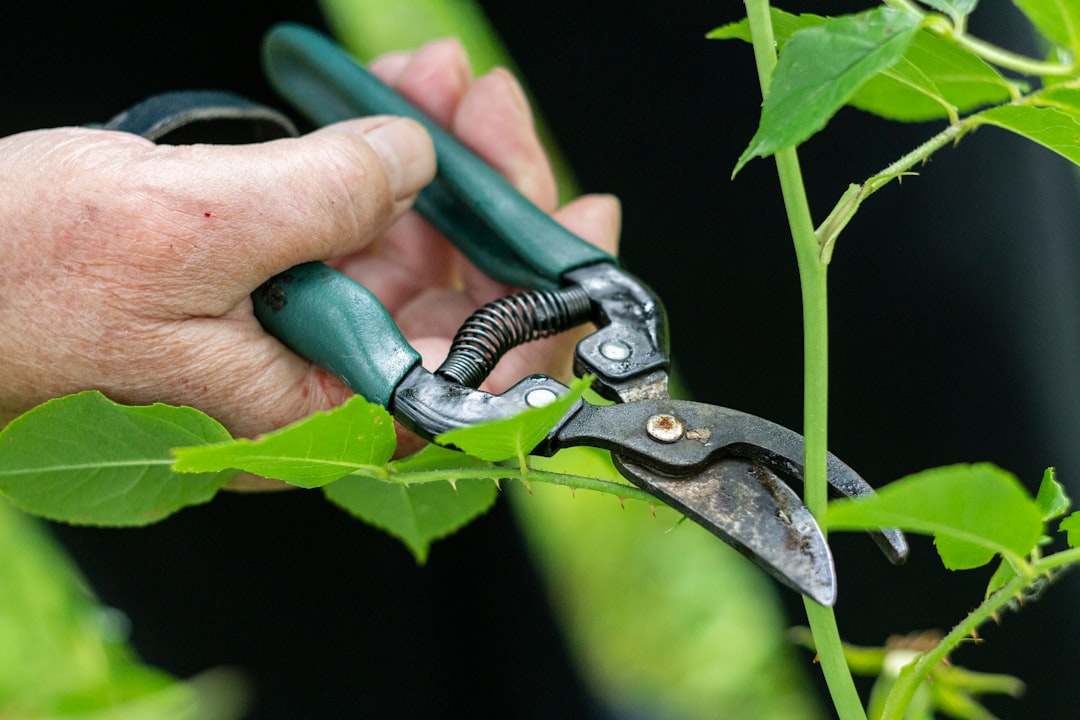
The first step in pruning basil is to pinch off the tips of the main stems. Use your fingers or a pair of clean, sharp scissors to remove the top two sets of leaves just above a set of lateral leaves. This encourages the plant to branch out and produce more side shoots, resulting in a bushier plant with more leaves. Make the cut at a 45 - degree angle to prevent water from pooling on the cut surface and causing rot.
Removing Flower Buds
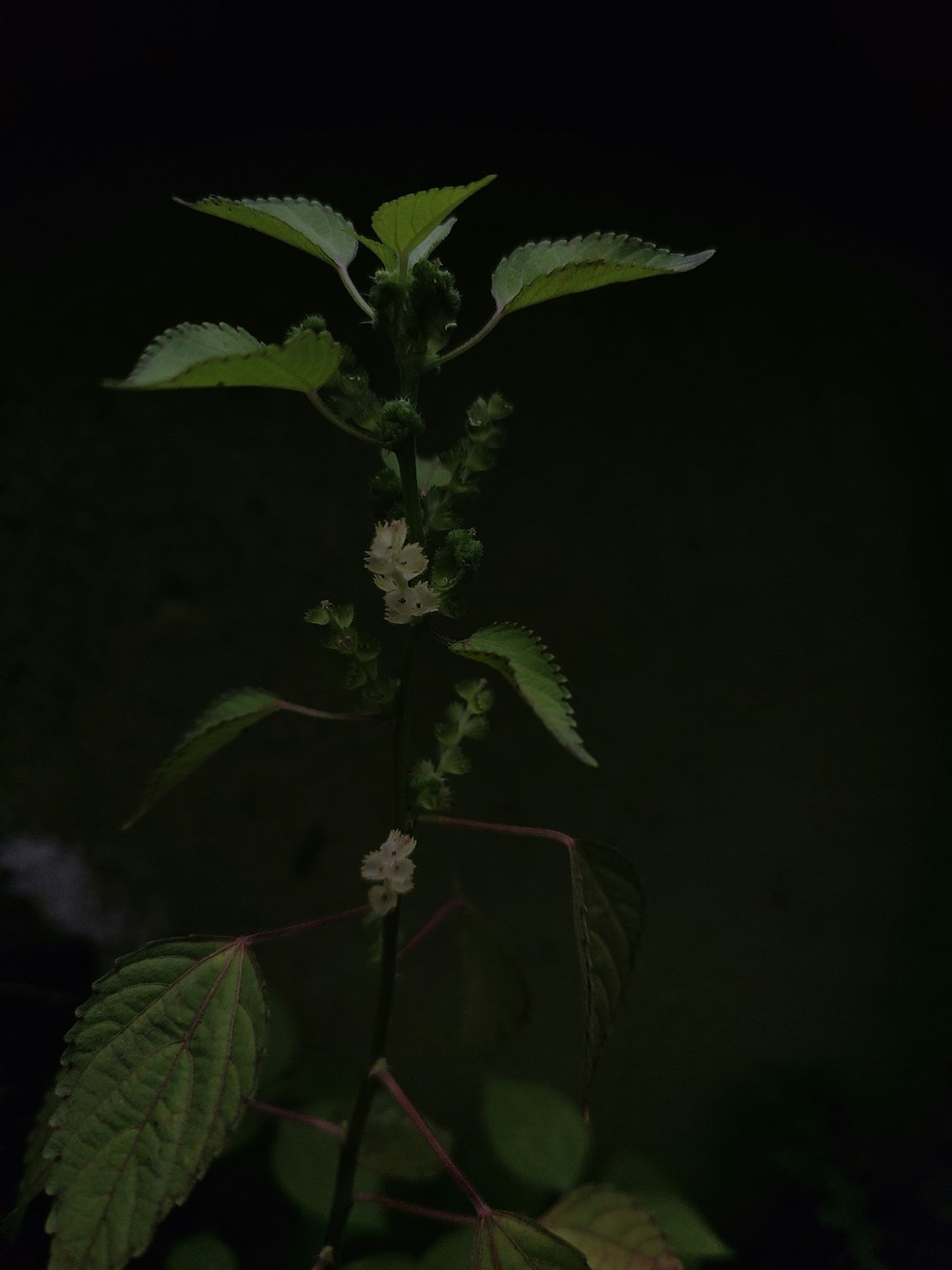
As soon as you notice flower buds forming on your basil plant, it's crucial to remove them immediately. Pinch off the flower buds at the base where they meet the stem. This will redirect the plant's energy back to leaf production. If you let the flowers develop, the plant will start to decline in terms of leaf quality and quantity.
Cutting Back Large Stems
If your basil plant has some large, woody stems, you can cut them back to about half their length. This will stimulate new growth from the base of the plant. However, be careful not to over - prune, as this can shock the plant. Only remove about one - third of the plant's foliage at a time.
Taking Cuttings from Basil
Pruning also provides an excellent opportunity to take cuttings from your basil plant for propagation. To take a cutting, select a healthy stem that is about 4 - 6 inches long. Cut the stem just below a leaf node using a sharp, clean knife or scissors. Remove the lower leaves, leaving only the top 2 - 3 sets of leaves. Place the cutting in a glass of water, making sure that the bottom of the stem is submerged. Keep the glass in a bright, warm location but out of direct sunlight. Change the water every few days. After about 1 - 2 weeks, roots will start to form. Once the roots are about an inch long, you can transplant the cutting into a pot filled with well - drained potting soil.
Caring for Pruned Basil
After pruning your basil plant, it's important to provide it with proper care. Water the plant regularly, keeping the soil moist but not waterlogged. Basil prefers full sun, so make sure it gets at least 6 - 8 hours of sunlight per day. You can also fertilize the plant every few weeks with a balanced, water - soluble fertilizer to promote healthy growth.
In conclusion, pruning basil is a simple yet effective technique that can significantly improve the health and productivity of your basil plants. By following these pruning methods, you can enjoy a continuous supply of fresh, flavorful basil leaves throughout the growing season. Whether you're using basil in your homemade pasta sauces, pesto, or salads, a well - pruned basil plant will ensure that you have an abundant harvest.
New