As the leaves start to change color and the air turns crisp, fall is a magical time in the yard. However, instead of the traditional intense fall cleanup, there are numerous ways to create a more eco - friendly yard that benefits both the environment and your garden's long - term health. Let's explore these methods in detail.
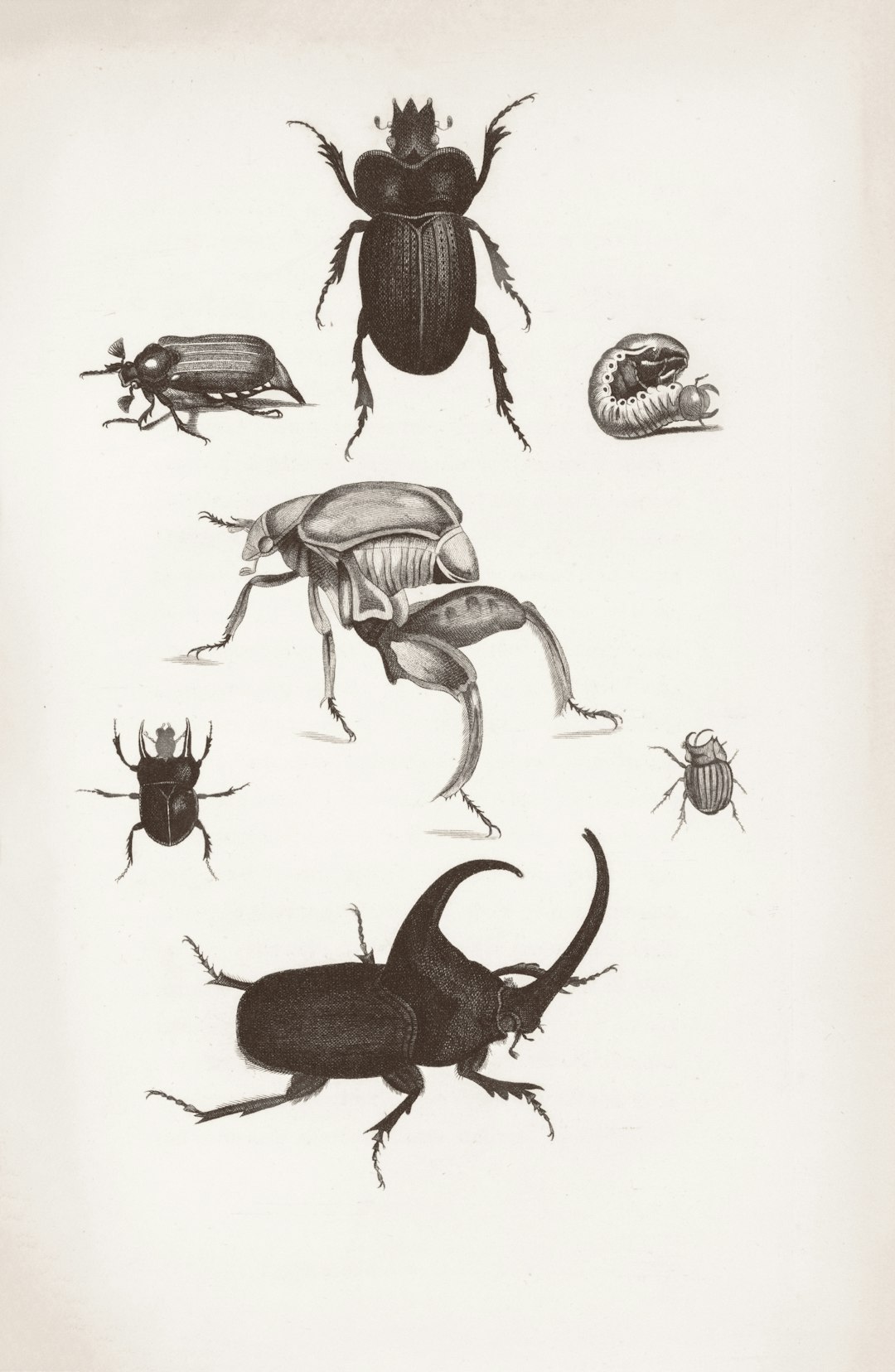
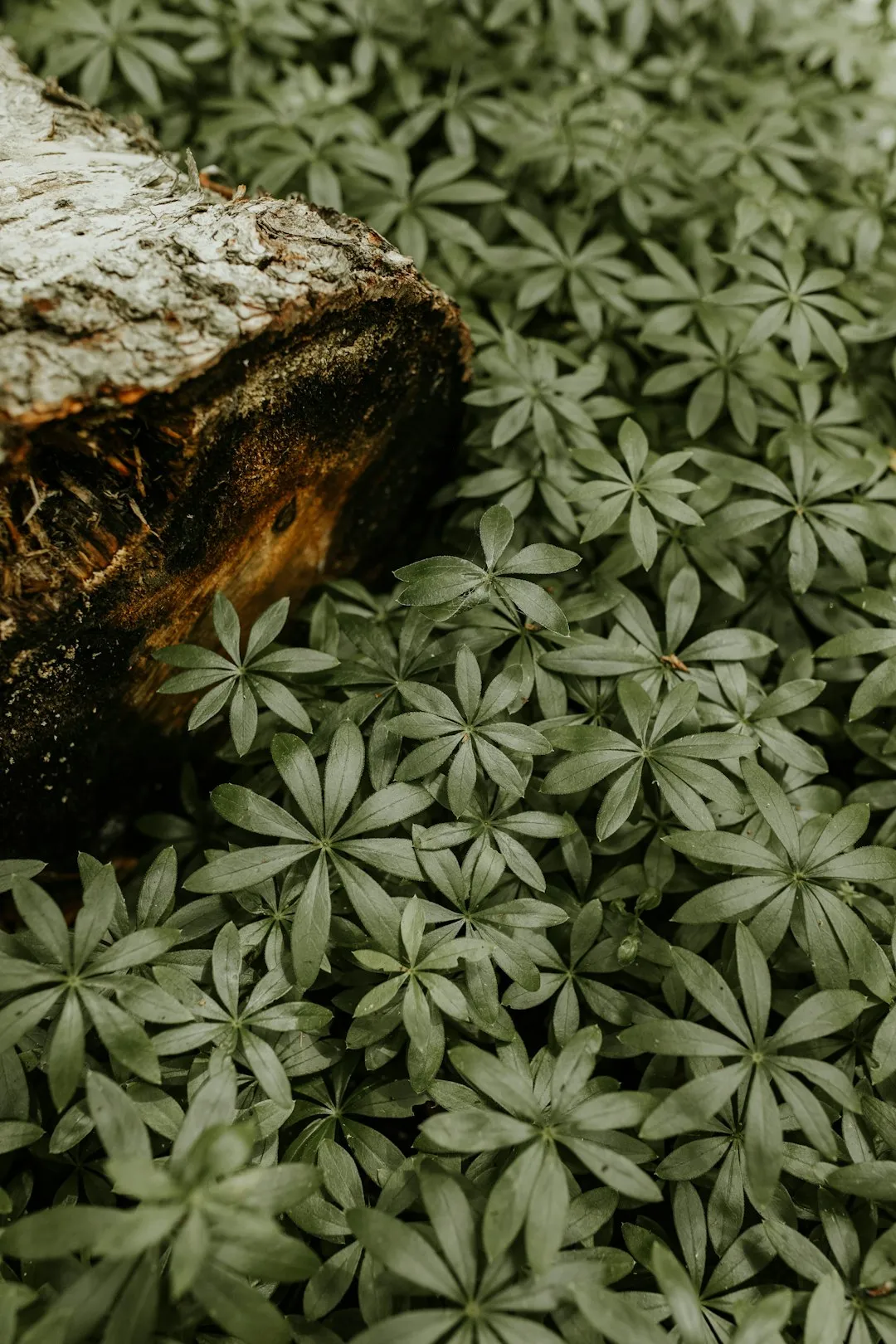
One of the simplest yet most impactful steps is leaving the leaves. Many homeowners are accustomed to raking up every last leaf and bagging them for disposal. But leaves are nature's mulch. They decompose over time, adding valuable nutrients to the soil. As they break down, they release nitrogen, phosphorus, and potassium, which are essential for plant growth. Moreover, leaves provide a cozy habitat for beneficial insects like ladybugs, ground beetles, and earthworms. These insects play a crucial role in controlling pests and aerating the soil. For example, ladybugs are voracious aphid - eaters, and earthworms help to improve soil structure by burrowing through it.
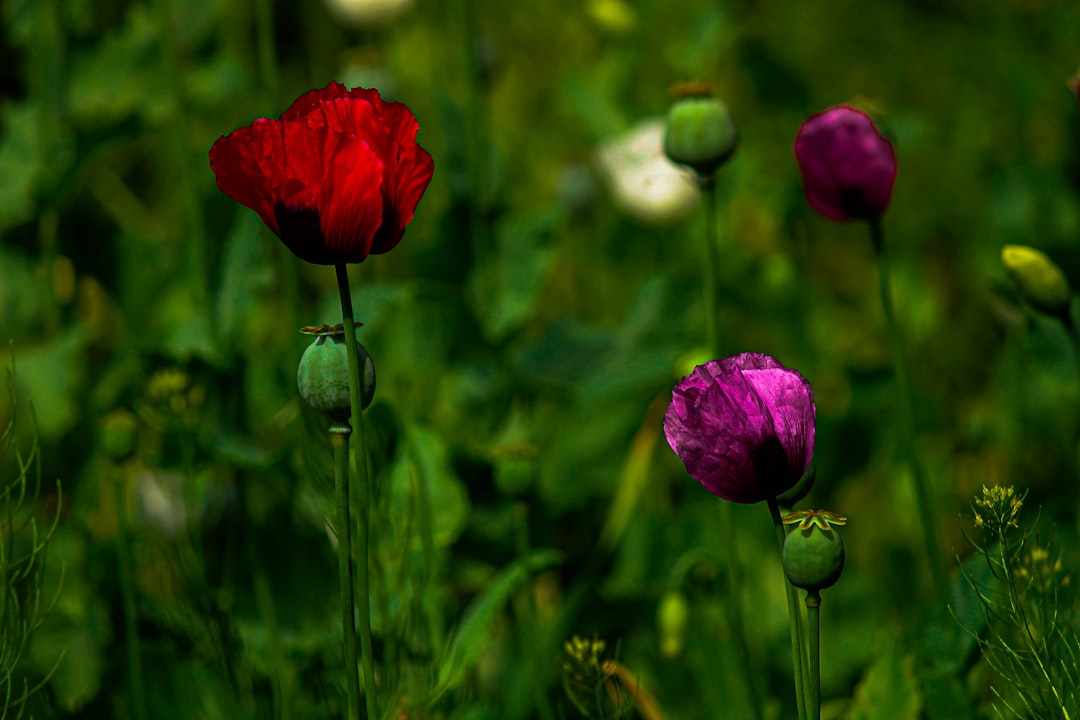
Another aspect of an eco - friendly fall yard care is letting the stems stand over winter. Perennial plants that have finished blooming may look a bit unkempt, but leaving their stems intact offers several advantages. The hollow stems of plants such as coneflowers and black - eyed Susans can serve as shelters for solitary bees. These bees are important pollinators, and providing them with a place to overwinter can significantly boost the pollination in your garden come spring. Additionally, the standing stems can catch snow, which acts as an insulating blanket for the soil and plant roots. This protection helps the plants survive the cold winter months and emerge stronger in the spring.
Reducing the use of chemical fertilizers and pesticides is also a key part of creating an eco - friendly yard. Chemical fertilizers can disrupt the natural balance of the soil ecosystem. They may lead to an over - growth of certain plants at the expense of others and can also contaminate groundwater. Instead, opt for organic fertilizers like compost and manure. Compost is rich in organic matter and beneficial microorganisms. It improves soil fertility, water - holding capacity, and drainage. Manure, when properly aged, provides a slow - release source of nutrients for plants. Similarly, chemical pesticides can harm beneficial insects along with the pests. Consider using natural pest control methods such as introducing predator insects, using neem oil, or creating physical barriers like row covers to protect your plants.
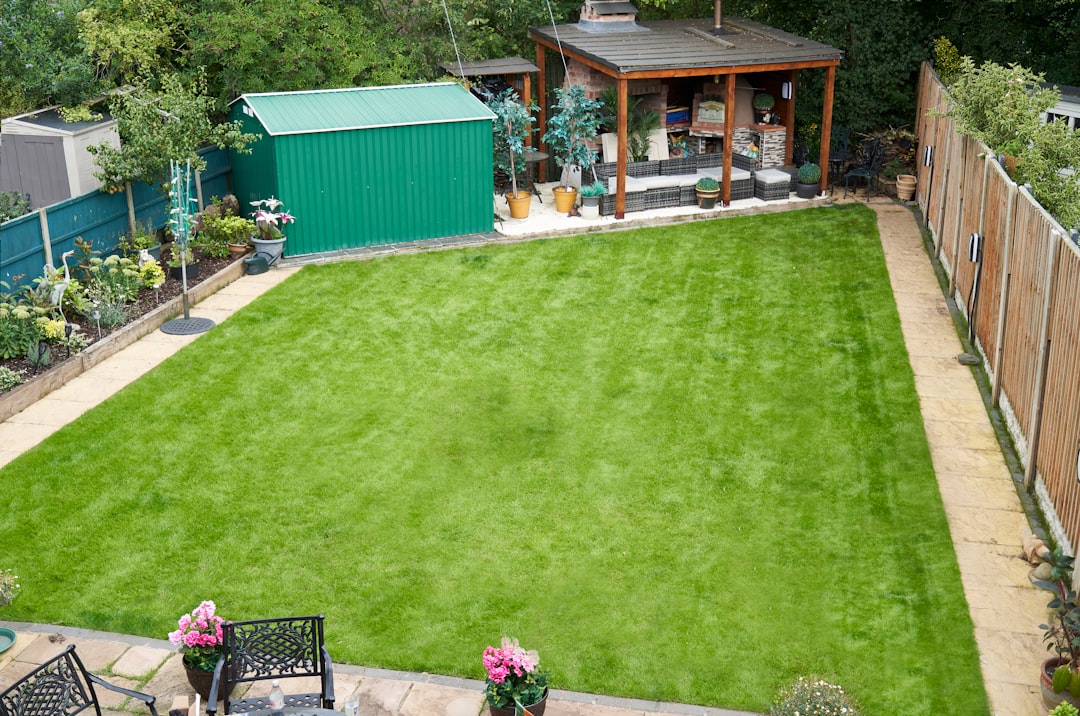
When it comes to mowing the lawn, adjust your mower height. In the fall, raise the blades of your mower slightly. Longer grass blades help to shade the soil, reducing moisture evaporation. This is especially important as the weather gets drier in the fall. Longer grass also has a deeper root system, which makes it more resilient to drought and cold. Additionally, leaving grass clippings on the lawn can act as a natural fertilizer. The clippings break down quickly, returning nutrients to the soil.
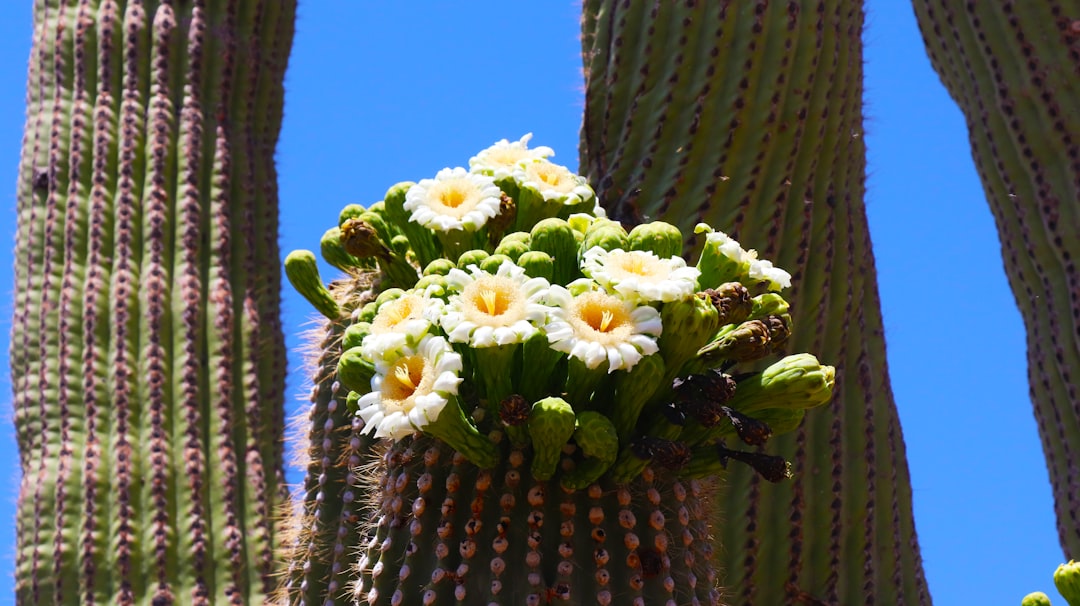
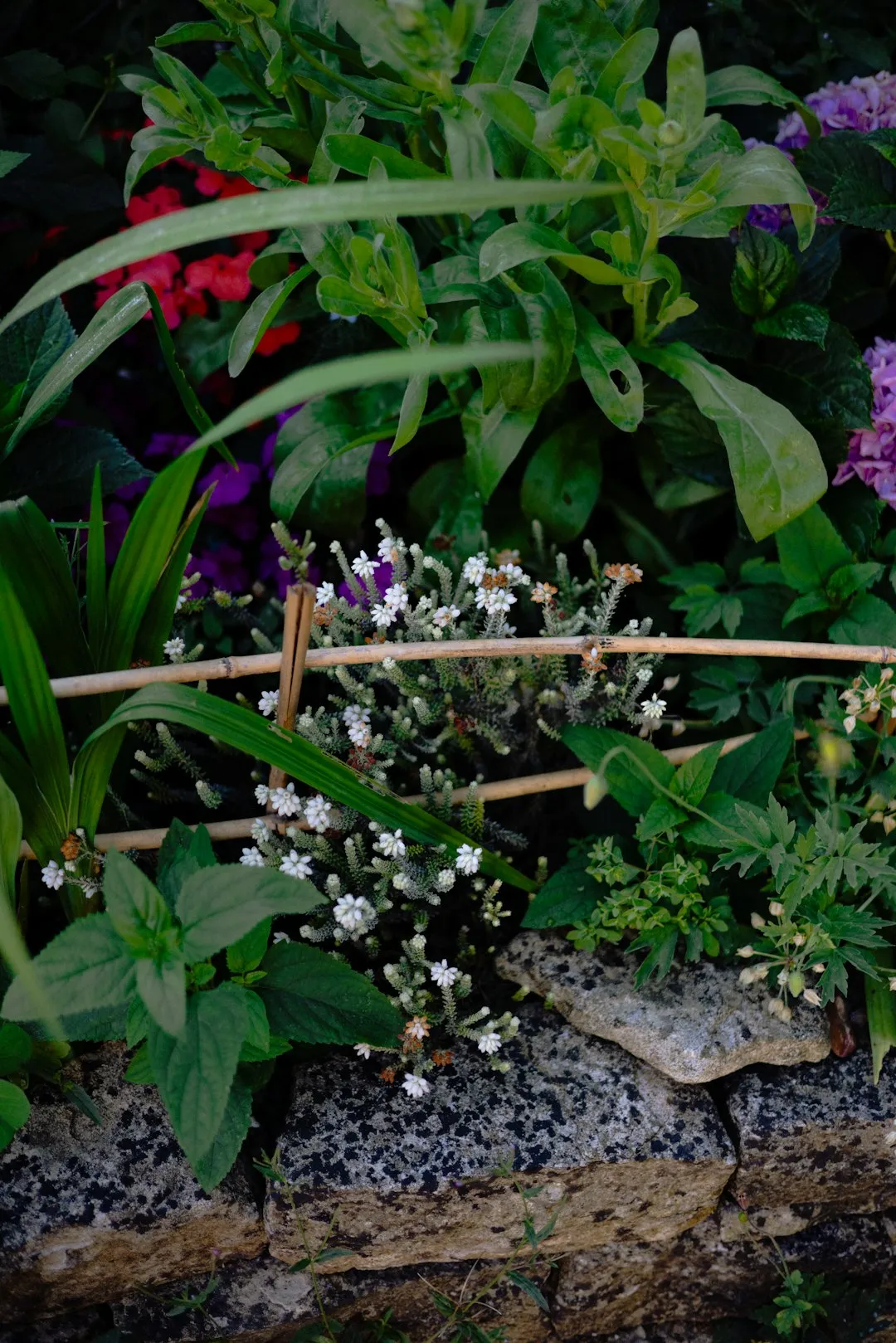
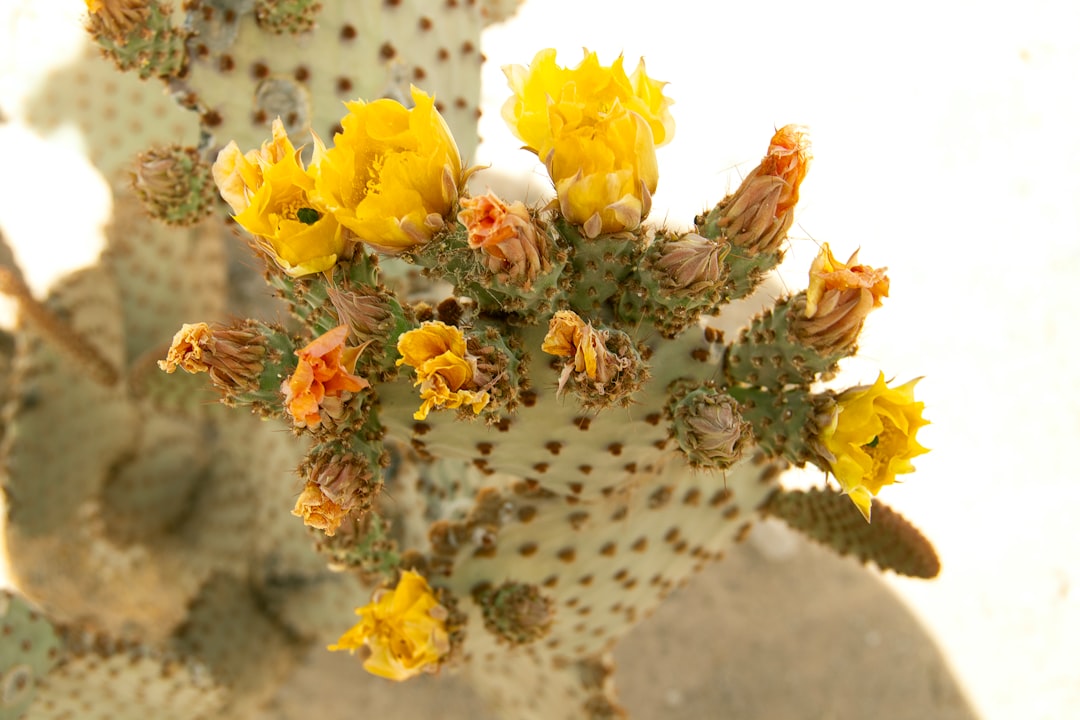
Planting native species in your yard is another excellent way to make it more eco - friendly. Native plants are adapted to the local climate, soil conditions, and pests. They require less water, fertilizer, and pesticides compared to non - native plants. For example, in a region with a dry climate, native succulents can thrive with minimal watering. Native plants also provide food and habitat for local wildlife, such as birds and butterflies. They are an essential part of the local ecosystem and can help to maintain biodiversity.
Finally, consider creating a rain garden. A rain garden is a shallow depression in the yard that collects rainwater runoff. It is planted with water - loving plants that can absorb and filter the water. This helps to reduce stormwater runoff, which can carry pollutants into rivers and streams. Rain gardens also recharge groundwater and provide a beautiful and functional addition to your yard.
In conclusion, by implementing these eco - friendly yard care practices, you can transform your yard into a sustainable and thriving ecosystem. From leaving the leaves and letting stems stand to reducing chemical use and planting native species, every small step counts towards creating a more environmentally friendly outdoor space. So this fall, embrace these changes and watch your yard flourish in a more natural and eco - conscious way.
New