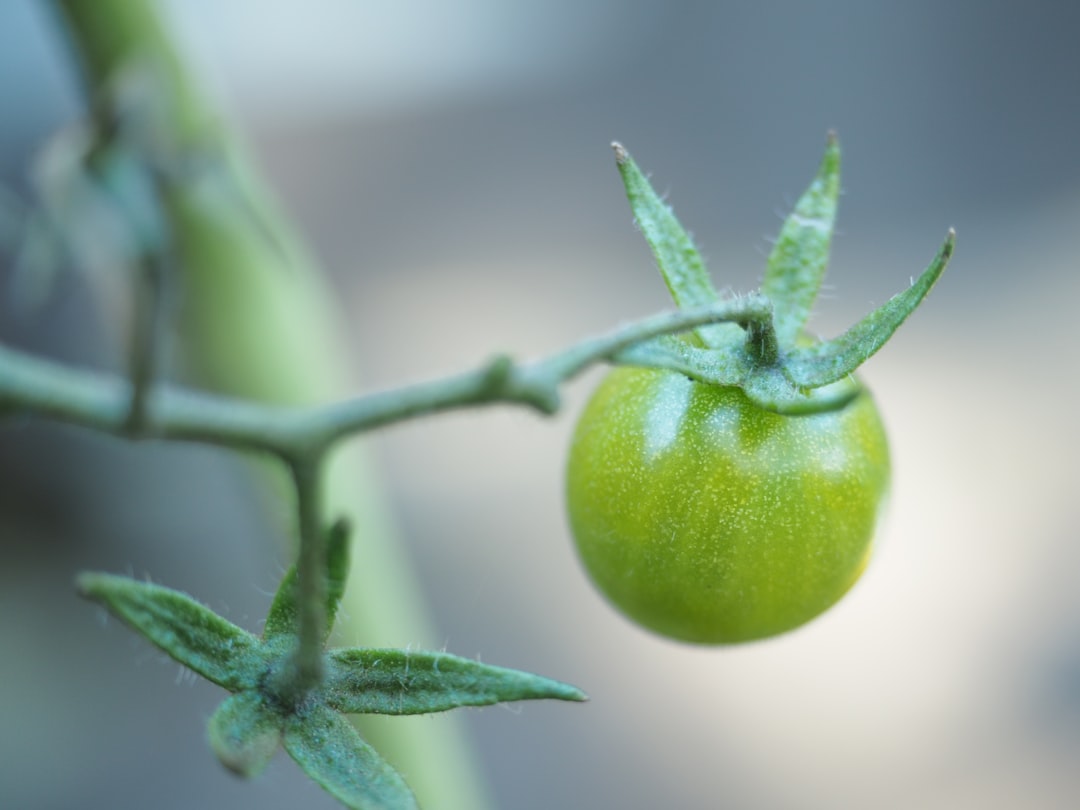
Extreme weather is a gardener's nemesis. Heat waves, droughts, and powerful storms can turn a once - thriving garden into a desolate landscape. But fear not! With the right strategies, you can help your plants not just survive but thrive in the face of these challenges.
Let's start with heat waves. When the sun beats down relentlessly, plants can quickly become stressed. One of the first steps you can take is to provide adequate shade. You can use shade cloths, which are readily available at gardening stores. These cloths can be easily installed over your plants, reducing the intensity of the sunlight they receive. For example, if you have a vegetable garden, placing a shade cloth over it during the hottest part of the day can prevent the vegetables from wilting and getting sun - burned.
Watering is also crucial during heat waves. However, it's not just about the quantity but also the timing. Water your plants early in the morning or late in the evening. This way, the water has a chance to soak into the soil before the heat of the day causes it to evaporate. Deep watering is better than shallow sprinkling. A soaker hose is an excellent tool for this. It allows water to seep slowly into the soil, reaching the roots where it's needed most. For instance, if you have a flower bed, a soaker hose can ensure that the water penetrates deeply, keeping the flowers hydrated even in extreme heat.
Drought is another major threat to your garden. During a drought, water conservation becomes essential. One effective way to conserve water is by using mulch. Mulch acts as a barrier, reducing evaporation from the soil. Organic mulches like wood chips or shredded leaves are great options. They not only help retain moisture but also add nutrients to the soil as they decompose. Spread a layer of mulch around your plants, about 2 - 3 inches thick. This will keep the soil cool and moist, even when water is scarce.
You can also choose drought - tolerant plants for your garden. Succulents, lavender, and yarrow are just a few examples. These plants have adapted to survive with less water, making them ideal for drought - prone areas. Incorporating them into your garden can reduce your water consumption and still provide a beautiful and vibrant landscape.
Now, let's talk about strong storms. High winds and heavy rain can damage your plants and even uproot them. To protect your garden from strong winds, you can install windbreaks. These can be made of fences, hedges, or even rows of tall plants. A well - placed windbreak can deflect the wind, reducing its impact on your plants. For example, if you have a small fruit tree in your garden, a windbreak on the side where the wind usually comes from can prevent the tree from being damaged.
Staking is another important technique for protecting plants during storms. For tall or top - heavy plants, use stakes to support them. Secure the plant to the stake with soft ties, allowing it some flexibility while still providing stability. This will prevent the plant from being blown over by strong winds. For instance, tomato plants often need staking to keep them upright during storms.
After a storm, it's important to assess the damage to your garden. Remove any broken branches or plants that are beyond repair. Prune damaged plants to encourage new growth. If there is standing water in your garden, make sure to drain it as soon as possible. Standing water can lead to root rot and other diseases.
In addition to these specific strategies for extreme weather, general garden care is also essential. Regularly fertilize your plants to keep them healthy and strong. Use a balanced fertilizer that provides the necessary nutrients like nitrogen, phosphorus, and potassium. Follow the instructions on the fertilizer package for the correct application rate.
Weeding is another important aspect of garden care. Weeds compete with your plants for water, nutrients, and sunlight. Remove weeds regularly by hand or use a hoe. This will give your plants the best chance to grow and thrive.
By following these smart tips, you can protect your garden from the ravages of extreme weather and ensure that it remains a beautiful and productive space. Whether it's a heat wave, drought, or strong storm, your plants will have the best chance of survival with your careful attention and proper care.
New