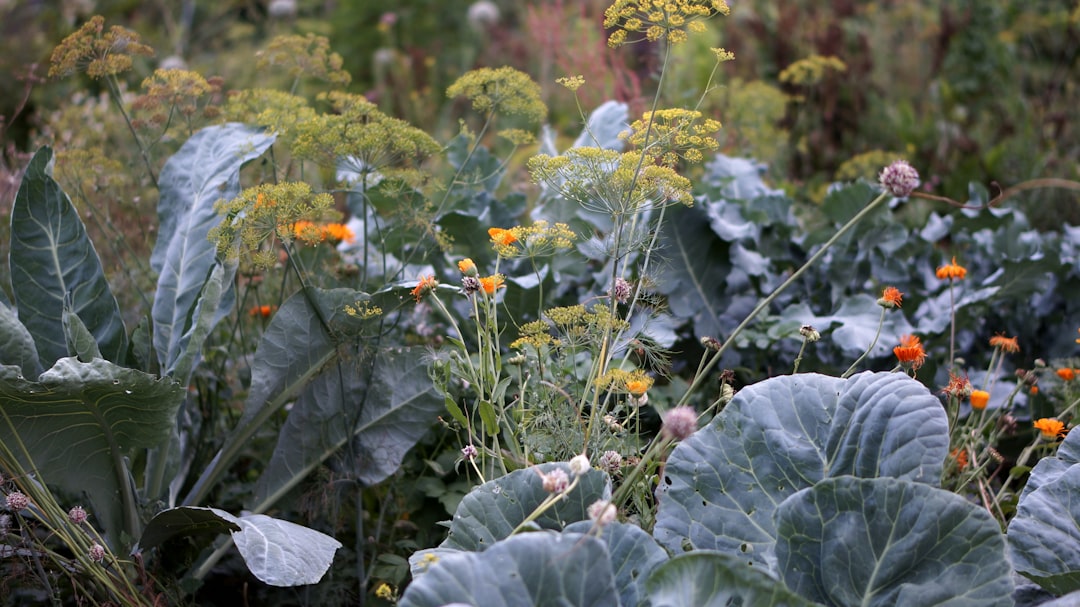
When it comes to gardening and yard care, one often overlooked aspect is the impact of plants on pollen allergies. Many people love the idea of having a beautiful yard filled with colorful flowers and lush greenery, but for those with pollen allergies, it can turn into a nightmare of sneezing and sniffling. In this article, we'll explore which types of plants are more likely to trigger pollen allergies and how you can minimize your exposure.
First, let's understand the nature of pollen allergies. Pollen is a fine powder produced by plants as part of their reproductive process. When the wind blows, pollen grains are carried through the air and can be inhaled by humans. For some individuals, their immune systems over - react to these pollen grains, causing allergic reactions. Symptoms can range from mild, such as a runny nose and itchy eyes, to more severe, like difficulty breathing and asthma attacks.
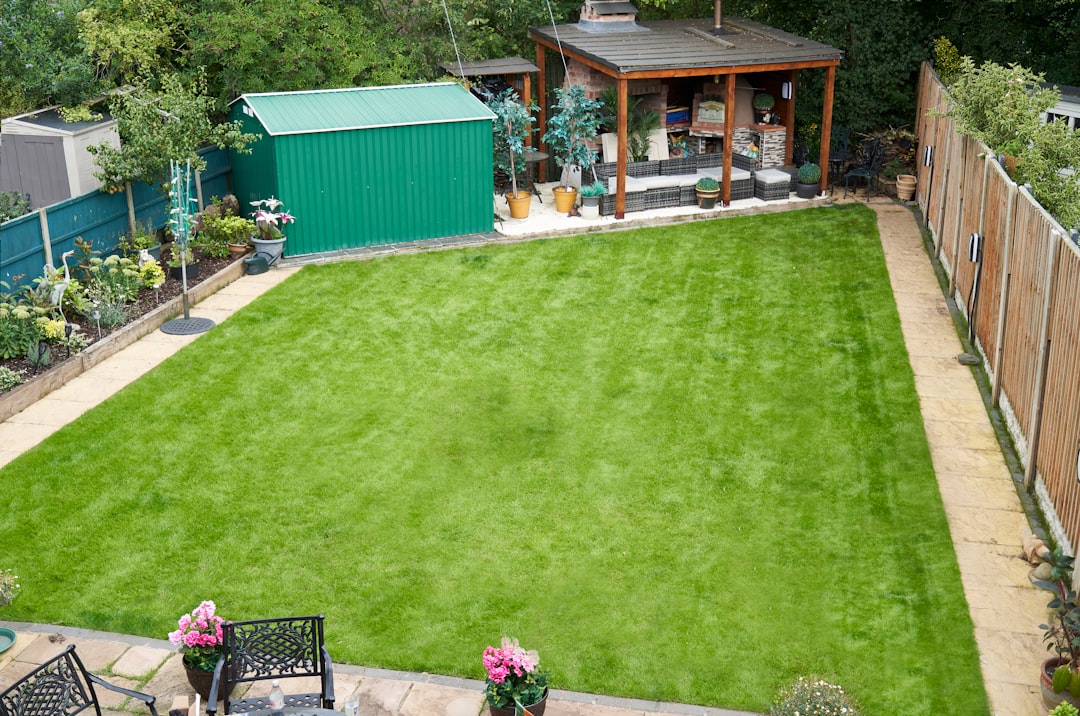
Some plants are well - known for producing large amounts of allergenic pollen. Grasses are a major culprit. Common lawn grasses like Bermuda grass, Timothy grass, and Kentucky bluegrass release a significant amount of pollen into the air during their flowering seasons. These grasses are often used in lawns across the country, and if you have a grassy yard, you may be at a higher risk of pollen exposure. Another group of plants that can cause problems are trees. Oak, birch, and cedar trees are among the top pollen producers. Oak trees, in particular, are widespread in many regions and can release large clouds of pollen in the spring. Cedar trees, on the other hand, are common in the southwestern United States and their pollen can be a major irritant during the winter and early spring.
Weeds are also notorious for causing pollen allergies. Ragweed is perhaps the most well - known allergenic weed. It produces large amounts of lightweight pollen that can travel long distances in the air. Ragweed typically blooms in late summer and early fall, and its pollen can cause severe allergic reactions in many people. Other weeds like pigweed and lamb's quarters can also contribute to pollen allergies.
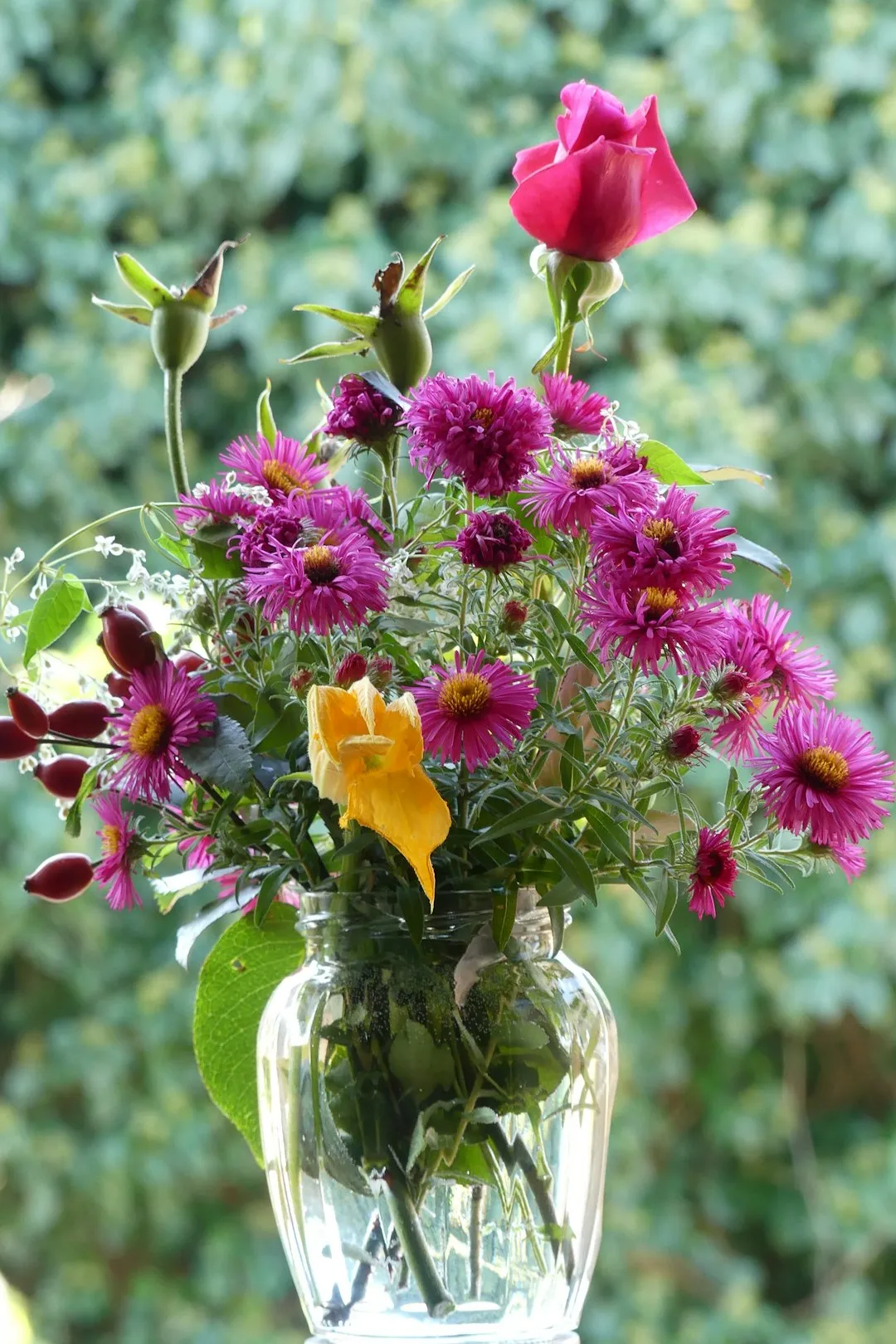
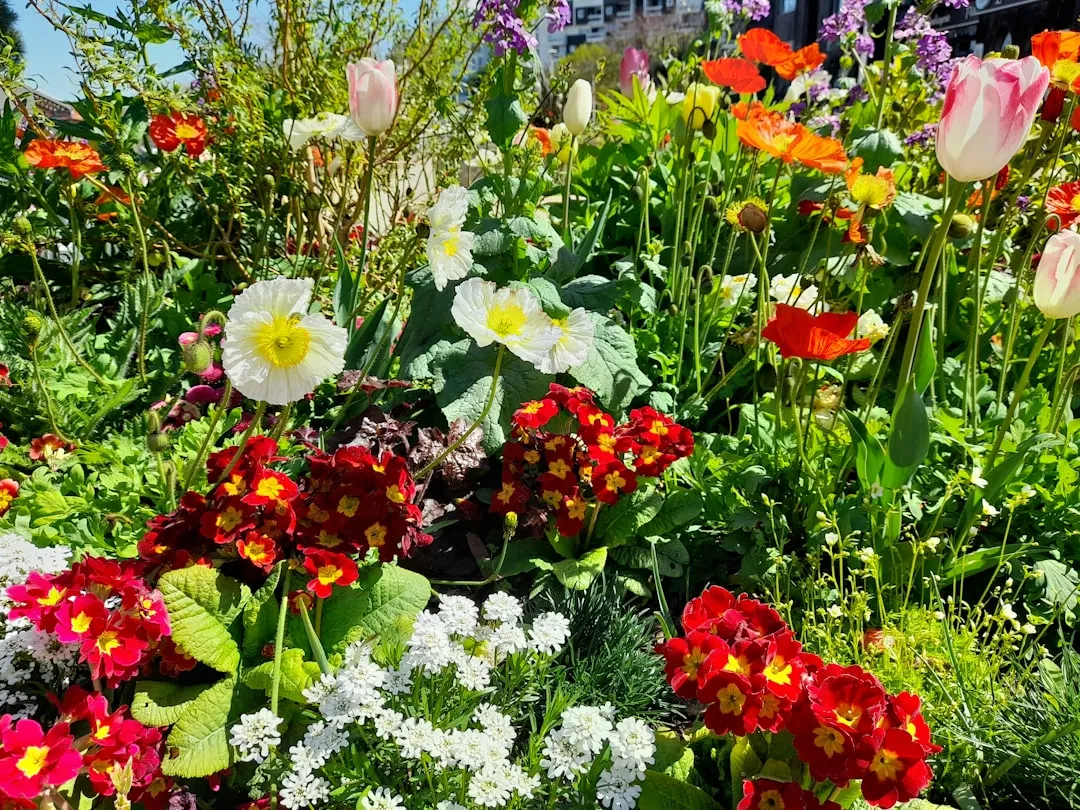
So, how can you minimize your exposure to these allergenic plants in your yard? One option is to choose low - pollen plants for your garden. There are many beautiful and low - allergenic plants available. For example, many types of roses are relatively low in pollen. Hybrid tea roses and floribunda roses are popular choices for gardens. They come in a wide variety of colors and have a lovely fragrance. Another great option is daylilies. These hardy plants produce large, showy flowers and do not produce much pollen. Hostas are also a good choice. They are known for their attractive foliage and are not major pollen producers.
If you already have allergenic plants in your yard, you can take steps to reduce their pollen production. For grasses, mowing regularly can help. By cutting the grass before it has a chance to flower and release pollen, you can significantly reduce the amount of pollen in the air. For trees, pruning can be effective. Removing dead or diseased branches can improve the tree's health and may also reduce pollen production. When dealing with weeds, it's important to remove them before they have a chance to bloom. This can be done by hand - pulling or using herbicides, but be sure to follow the instructions carefully.
In addition to choosing the right plants and taking care of existing ones, you can also create barriers to reduce pollen exposure. For example, you can plant a row of evergreen shrubs around the perimeter of your yard. These shrubs can act as a filter, trapping some of the pollen before it enters your yard. You can also use air purifiers in your home, especially during the peak pollen seasons. This can help remove pollen from the indoor air and reduce your allergic symptoms.
Finally, it's important to stay informed about pollen levels in your area. Many weather websites and apps provide pollen forecasts. By checking these forecasts regularly, you can plan your outdoor activities accordingly. On days when the pollen count is high, it's best to stay indoors as much as possible, especially during the early morning and late afternoon when pollen levels are typically at their peak.
In conclusion, caring for your yard doesn't have to mean suffering from pollen allergies. By being aware of which plants are likely to trigger allergies and taking appropriate steps to minimize your exposure, you can enjoy a beautiful and allergy - free yard. Whether you're a seasoned gardener or just starting out, these tips can help you create a more comfortable outdoor environment for yourself and your family.
New