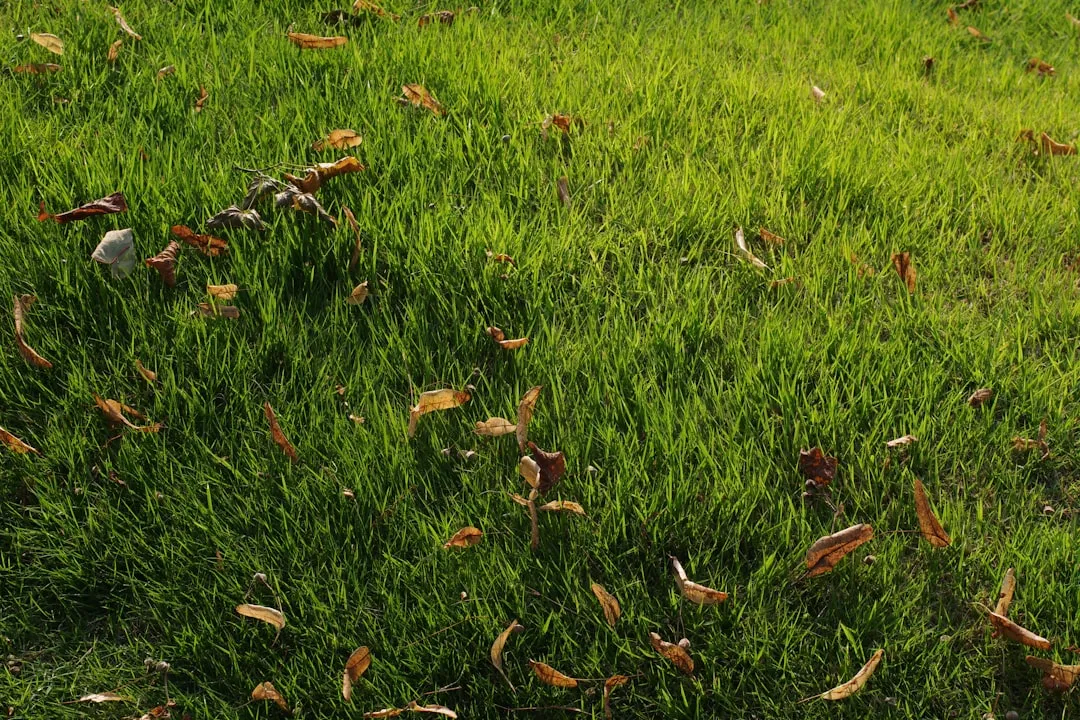
As the leaves start to change and the air turns crisp, many homeowners are tempted to turn off their irrigation systems and put away the lawn sprinklers. However, a healthy lawn actually needs water in the fall, and knowing when to stop watering is crucial for its overall well - being. In this article, we'll explore the importance of fall lawn watering and how to determine the right time to stop.
### Why Water Your Lawn in the Fall?
Fall is a critical time for your lawn. The grass is still actively growing, although at a slower pace compared to the spring and summer. Watering your lawn in the fall helps the grass develop a strong root system. A well - hydrated lawn can better withstand the cold winter months, and it will also bounce back more quickly in the spring. Additionally, fall watering helps prevent the grass from going dormant prematurely, which can lead to a patchy and unhealthy lawn come next year.
### How Much Water Does Your Lawn Need?
The amount of water your lawn needs in the fall depends on several factors, such as the type of grass, soil conditions, and local climate. Generally, your lawn should receive about 1 inch of water per week, including rainfall. You can use a rain gauge to measure the amount of natural precipitation and then supplement with irrigation as needed. To ensure even watering, it's best to water deeply and infrequently. This encourages the grass roots to grow deeper into the soil, making them more resilient.
### When to Start Reducing Watering
As the temperatures start to drop and the days get shorter, you'll need to start reducing the amount of water you give your lawn. A good rule of thumb is to start cutting back on watering when the average daily temperature consistently falls below 60°F (15.5°C). At this point, the grass growth slows down, and it doesn't require as much water. However, don't stop watering completely right away. Gradually reduce the frequency of watering over a few weeks.
### Signs That It's Time to Stop Watering
There are several signs that indicate it's time to stop watering your lawn. One of the most obvious signs is when the grass stops growing. You can tell if the grass has stopped growing if you don't need to mow it as often. Another sign is when the soil starts to freeze. Once the ground freezes, water can no longer penetrate the soil, so there's no point in watering. You can check the soil temperature with a soil thermometer. If the soil temperature drops below 40°F (4.4°C), it's time to stop watering.
### The Dangers of Over - watering in the Fall
Over - watering your lawn in the fall can be just as harmful as under - watering. Excess water can lead to fungal diseases, such as brown patch and snow mold. These diseases thrive in wet and cool conditions, and they can quickly spread across your lawn, causing significant damage. Over - watering can also lead to shallow root growth, as the grass doesn't need to grow deep roots to find water. Shallow - rooted grass is more susceptible to drought and cold stress.
### Tips for a Healthy Fall Lawn
To keep your lawn healthy in the fall, here are some additional tips:
- Mow Your Lawn Properly: Keep your mower blades sharp and set the mower at the appropriate height for your grass type. As the fall progresses, gradually lower the cutting height, but don't cut the grass too short. A good rule of thumb is to never remove more than one - third of the grass blade at a time.
- Fertilize Your Lawn: Fall is a great time to fertilize your lawn. A slow - release fertilizer can provide the nutrients your grass needs to develop a strong root system and stay healthy throughout the winter. Look for a fertilizer with a high percentage of potassium, which helps the grass tolerate cold temperatures.
- Remove Leaves: Rake up leaves regularly to prevent them from smothering the grass. Leaves can block sunlight and air circulation, which can lead to fungal diseases and other problems.
In conclusion, a healthy fall lawn requires careful watering. By understanding the needs of your lawn and knowing when to stop watering, you can ensure that your lawn stays healthy and vibrant throughout the winter and into the next growing season. So, don't be too hasty to turn off your irrigation system. Take the time to monitor your lawn's condition and make the right decisions about watering.
New