When it comes to gardening, finding the right balance of nutrients for your plants is crucial. One often - overlooked substance that can play a significant role in garden care is wood ash. But the question remains: Is wood ash good for the garden? Let's delve into its potential advantages, risks, and effective usage.
### Advantages of Using Wood Ash in the Garden
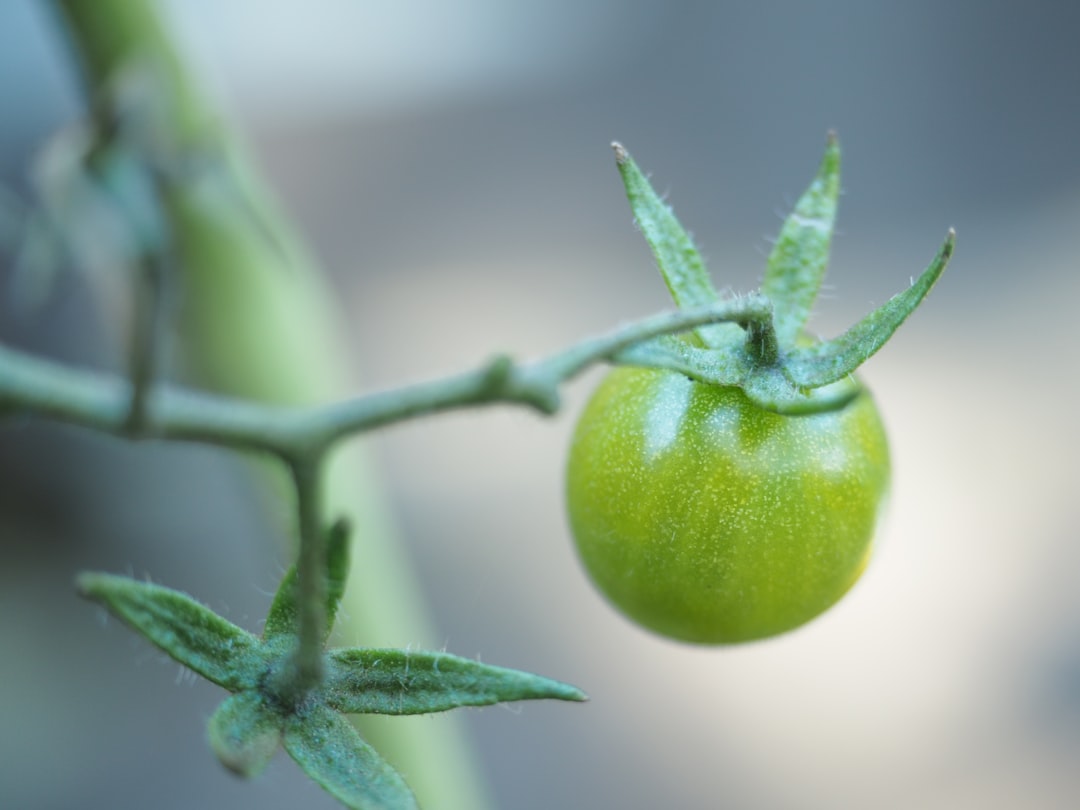
Wood ash is a rich source of several essential minerals that plants need to grow and thrive. One of the primary benefits is its high potassium content. Potassium is vital for plant health as it helps in the formation of strong cell walls, improves disease resistance, and enhances the overall quality of fruits and vegetables. For example, in tomato plants, sufficient potassium can lead to larger, juicier tomatoes with better flavor.
Another important mineral found in wood ash is calcium. Calcium is essential for root development and helps in preventing diseases such as blossom - end rot in tomatoes and peppers. It also plays a role in maintaining the pH balance of the soil. By adding wood ash to acidic soils, you can gradually raise the pH level, making the soil more alkaline. This is beneficial for plants that prefer a more alkaline environment, like lilacs and asparagus.
Wood ash also contains small amounts of other trace elements such as magnesium, phosphorus, and iron. These elements, although required in smaller quantities, are still essential for various plant functions. Magnesium, for instance, is a key component of chlorophyll, the pigment that allows plants to carry out photosynthesis.
### Risks Associated with Wood Ash
While wood ash has many benefits, it also comes with some risks. One of the main concerns is over - liming. If too much wood ash is added to the soil, it can raise the pH level too high, making the soil overly alkaline. This can lead to nutrient deficiencies in plants, as some nutrients become less available in highly alkaline soils. For example, iron and manganese are less soluble in alkaline conditions, which can result in yellowing leaves (chlorosis) in plants.
Another risk is the presence of heavy metals in wood ash. Wood from treated or painted sources may contain heavy metals such as lead, arsenic, and cadmium. These heavy metals can accumulate in the soil over time and pose a threat to both plant and human health. Therefore, it's crucial to only use wood ash from untreated, clean sources.
### How to Use Wood Ash Effectively
Before adding wood ash to your garden, it's important to test the soil pH. You can purchase a soil testing kit from a garden center or send a soil sample to a professional laboratory. If the soil is acidic, wood ash can be a great addition. However, if the soil is already neutral or alkaline, it's best to use wood ash sparingly or not at all.
When applying wood ash, it's recommended to spread it evenly over the soil surface and then work it into the top few inches of soil. A general guideline is to apply no more than 10 to 15 pounds of wood ash per 1,000 square feet of garden area per year. You can also use wood ash around individual plants, but be careful not to let it come into direct contact with the plant stems or leaves, as it can cause burning.
Wood ash can be used in different parts of the garden. In flower beds, it can help improve the health and color of flowers. In vegetable gardens, it can enhance the yield and quality of vegetables. You can also add wood ash to compost piles. The alkaline nature of wood ash can help balance the acidity of other compost materials, such as leaves and grass clippings, and speed up the decomposition process.
In conclusion, wood ash can be a valuable addition to your garden when used correctly. By understanding its advantages, risks, and proper usage, you can harness its benefits to create a healthy and thriving garden. So, the next time you have some wood ash from your fireplace or wood - burning stove, consider giving your garden a little boost with this natural fertilizer.
New