As the seasons transition and the first whispers of fall chill the air, gardeners must gear up for the impending first fall frost. This natural phenomenon can be quite harsh, causing significant damage to delicate plants, crops, and even watering equipment. To safeguard your yard and ensure a healthy garden come spring, there are several key tasks you need to complete before the temperatures drop.
One of the primary concerns is protecting your delicate plants. Frost can be particularly damaging to tender annuals and tropical plants that are not accustomed to cold temperatures. Begin by identifying these vulnerable plants in your garden. You can start by making a list of all the plants that are sensitive to frost. Some common examples include impatiens, begonias, and hibiscus. Once you've identified them, you have a few options for protection.
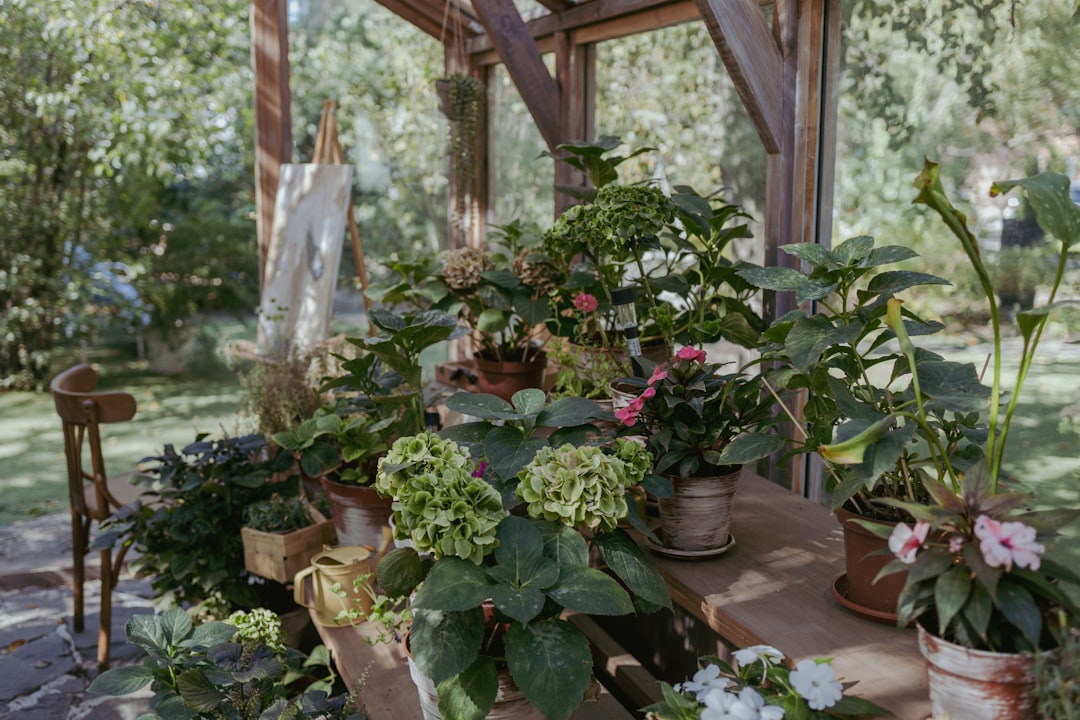
For smaller potted plants, you can simply move them indoors. Find a sunny spot near a window where they can continue to receive adequate light. If you don't have enough indoor space, you can also group the potted plants together and cover them with a frost cloth or an old bedsheet. This will help trap some of the heat radiating from the ground and protect the plants from the cold air. Make sure to secure the covering tightly around the pots to prevent cold air from seeping in.
For larger plants in the ground, you can use a similar approach. Construct a simple frame around the plant using stakes and then drape a frost cloth over it. This creates a mini - greenhouse effect, shielding the plant from the frost. Another option is to apply a layer of mulch around the base of the plant. Mulch acts as an insulator, helping to keep the soil and roots warm. You can use materials such as straw, shredded leaves, or wood chips for mulch. Apply a layer that is about 2 - 3 inches thick.
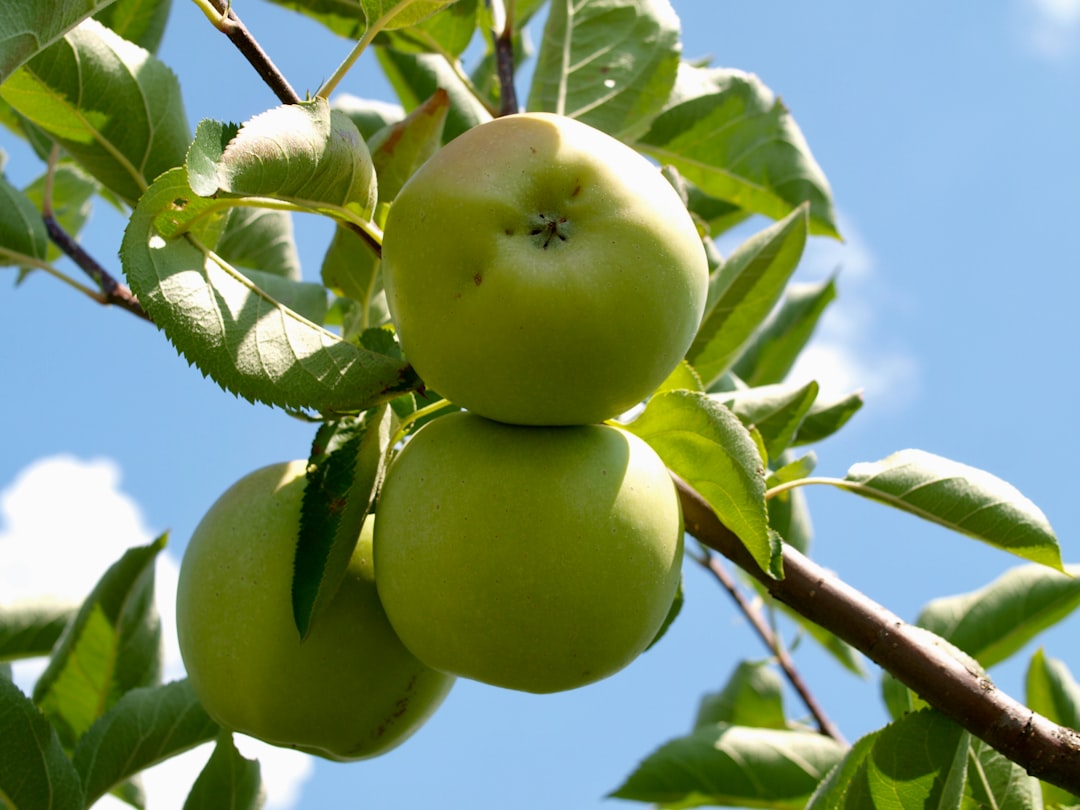
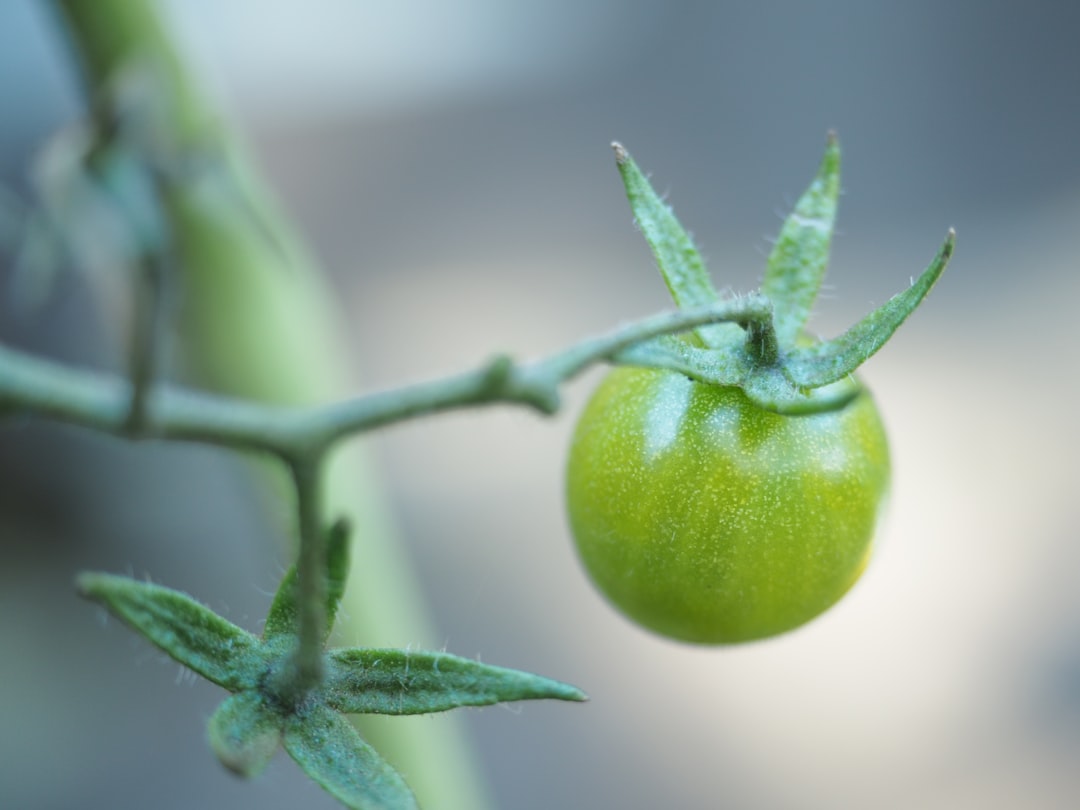
When it comes to your crops, it's important to harvest them before the frost hits. Many vegetables, such as tomatoes, peppers, and cucumbers, are highly susceptible to frost damage. Check your garden regularly for ripe produce. Harvest any fruits or vegetables that are ready. If you have some that are still green, you can pick them and ripen them indoors. Place the green tomatoes, for example, in a paper bag with a ripe banana. The ethylene gas produced by the banana will help speed up the ripening process.
It's also a good time to clean up your garden beds. Remove any dead or dying plants, as they can harbor pests and diseases over the winter. Rake up fallen leaves and debris. This not only keeps your garden looking tidy but also reduces the risk of fungal diseases. You can compost the organic material, which will create nutrient - rich soil for the next growing season.
Don't forget about your watering equipment. Frost can cause water in hoses and sprinklers to freeze and expand, leading to cracks and damage. Drain all the water from your hoses and store them in a dry place. If you have an in - ground irrigation system, you may need to hire a professional to winterize it. This typically involves blowing out the water from the pipes to prevent freezing.
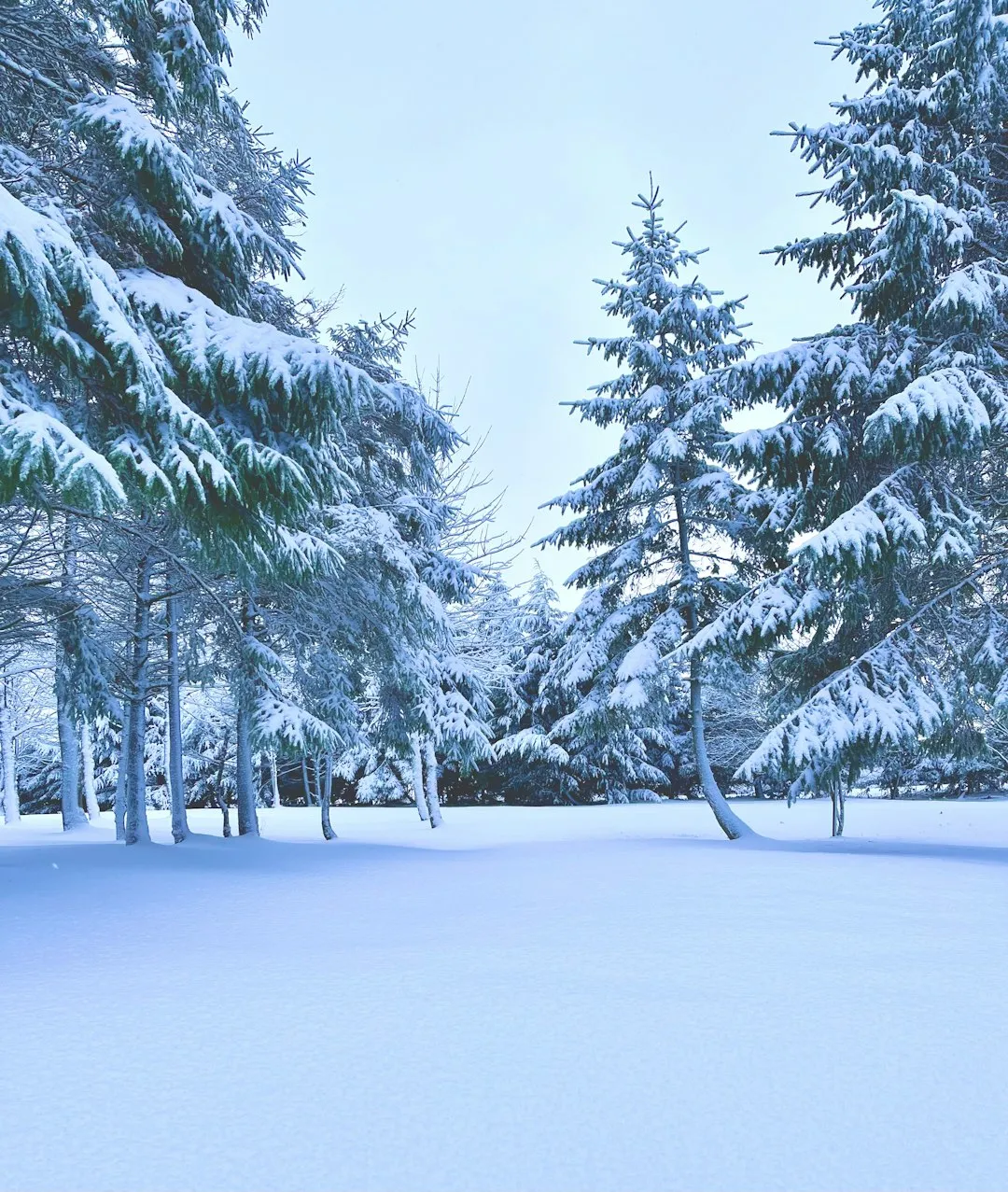
Finally, consider adding some winter - friendly plants to your garden. Evergreen shrubs and trees can add color and structure to your yard during the cold months. Some popular choices include boxwood, holly, and juniper. These plants are hardy and can withstand the winter weather.
In conclusion, preparing your yard for the first fall frost is a crucial part of garden care. By taking these steps to protect your plants, harvest your crops, clean up your garden, and winterize your equipment, you can ensure that your garden remains healthy and vibrant year - round. So, don't wait until the frost is on the doorstep. Start your pre - frost preparations today and enjoy a beautiful yard in the seasons to come.
New