Fall is a crucial season for yard gardening, and there are certain tasks on your to - do list that can be carefully timed to ensure the health and beauty of your garden. These particular gardening tasks are best left until after the first frosts, but it's essential not to procrastinate until the ground begins to freeze.
One of the key aspects of fall gardening is understanding the impact of frosts on your plants. The first frosts act as a natural signal in the garden's lifecycle. They can help in preparing some plants for dormancy and also play a role in controlling pests. For instance, many insects that have been active during the warmer months are killed off by the cold temperatures of the first frosts. This means that if you wait until after the first frosts to perform certain tasks, you can avoid disturbing the natural pest - control process that the cold is providing.
Among the tasks that can wait until after the first frosts is the removal of spent annuals. Annual plants complete their life cycle within a single growing season. Once the first frosts hit, these plants are usually dead or dying. At this point, removing them from your garden beds not only tidies up the area but also reduces the risk of diseases overwintering in the plant debris. You can simply pull out the dead annuals and add them to your compost pile if they are disease - free. This way, you are recycling the plant material and creating nutrient - rich compost for future use in your garden.
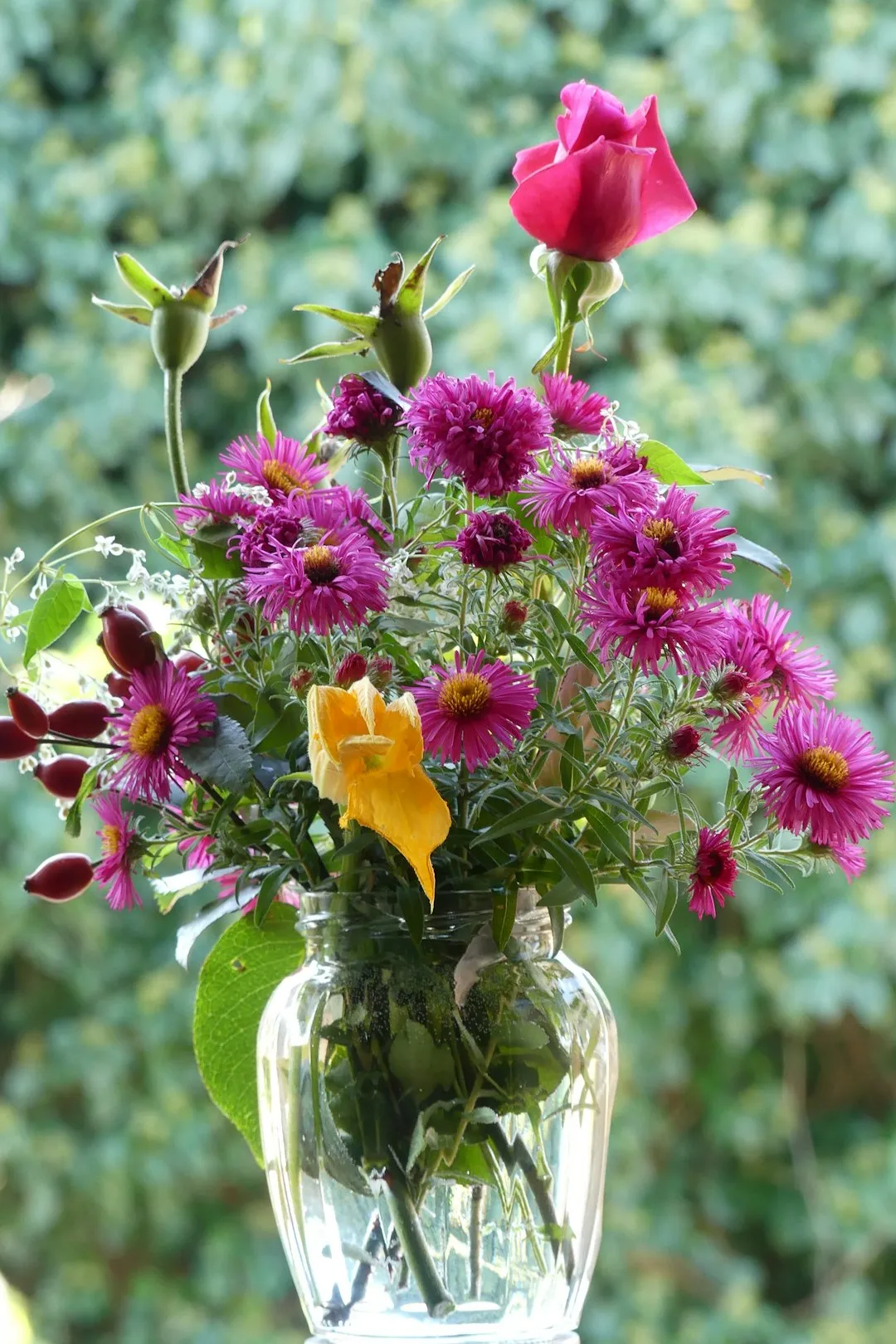
Another important task is the pruning of certain shrubs and trees. Some plants benefit from a post - frost pruning. For example, roses can be pruned after the first frosts. Pruning at this time helps to shape the plant and remove any diseased or damaged branches. However, it's important to note that not all plants should be pruned in the fall. Some plants, like spring - blooming shrubs, should be pruned right after they finish blooming in the spring. This is because they form their flower buds on old wood, and fall pruning could remove these buds and reduce the next year's bloom.
Leaf management is also a significant part of fall gardening. Raking up leaves can wait until after the first frosts. Leaves that fall before the first frosts can still contribute nutrients to the soil as they decompose. Once the first frosts have occurred, you can start collecting the leaves. You can use them as mulch in your garden beds. A layer of leaves around your plants can help to insulate the soil, protect the roots from cold temperatures, and suppress weed growth. Additionally, you can shred the leaves and add them to your compost pile to speed up the decomposition process.
Soil preparation is another task that can be done after the first frosts. You can add organic matter such as compost, well - rotted manure, or leaf mold to your garden beds. This enriches the soil with nutrients and improves its structure. The cold temperatures after the first frosts can help to break down the organic matter further over the winter months, making it more readily available for your plants in the spring. However, you should avoid tilling the soil when it's too wet, as this can damage the soil structure.
It's crucial not to delay these tasks until the ground starts to freeze. Once the ground freezes, it becomes difficult to perform many gardening tasks. For example, it's nearly impossible to dig holes for planting bulbs or to turn over the soil for soil preparation. Frozen ground also makes it challenging to remove dead plants and manage leaves effectively. Moreover, if you wait too long, the cold temperatures can cause damage to your tools, such as making metal parts brittle and more likely to break.
In conclusion, fall gardening offers a unique set of tasks that require careful timing. By waiting until after the first frosts to perform certain tasks, you can take advantage of the natural processes in your garden and ensure the long - term health of your plants. But always keep an eye on the weather and make sure to complete these tasks before the ground freezes. This way, you'll be well - prepared for a successful gardening season in the coming year.
New