When it comes to maintaining a beautiful and healthy garden, there are many choices to make, and one of the decisions you might face is whether to use landscape fabric. While landscape fabric is often touted as a solution for weed control, there are specific situations where it can do more harm than good. In this article, we'll explore why you should avoid using landscape fabric in certain cases and what alternatives you can turn to for effective weed management.
First, let's understand what landscape fabric is. Landscape fabric, also known as weed barrier fabric, is a synthetic material that is placed on the ground in gardens and landscapes. Its primary purpose is to prevent weeds from growing by blocking sunlight and preventing weed seeds from reaching the soil. It's commonly used in flower beds, around shrubs, and in vegetable gardens.
However, there are several reasons why landscape fabric might not be the best choice in all situations. One of the main issues is that landscape fabric can impede water infiltration. When it rains or you water your garden, the fabric can act as a barrier, preventing water from reaching the soil and the plant roots. This can lead to dry soil conditions, especially in areas with heavy clay soil or poor drainage. Over time, this can cause stress to your plants and even lead to their death.
Another problem with landscape fabric is that it can create a breeding ground for pests. Weeds that manage to grow through the fabric can become trapped, providing a hiding place for insects and other pests. Additionally, the fabric can prevent beneficial organisms, such as earthworms, from moving freely through the soil. Earthworms play a crucial role in soil aeration and nutrient cycling, and their absence can have a negative impact on the health of your garden.
Landscape fabric can also break down over time, especially when exposed to sunlight and the elements. As it deteriorates, it can become a tangled mess, making it difficult to remove and replace. This can be a time-consuming and frustrating process, especially if you have a large garden.
So, in what specific situations should you avoid using landscape fabric? One such situation is in areas where you plan to plant perennials or shrubs. These plants have deep root systems that need room to grow and spread. Landscape fabric can restrict the growth of these roots, leading to stunted plants and poor performance. Instead, consider using a layer of organic mulch, such as wood chips or shredded bark, around your perennials and shrubs. Organic mulch not only helps to suppress weeds but also improves soil structure and fertility as it decomposes.
Another situation where landscape fabric is not recommended is in vegetable gardens. Vegetables require a lot of water and nutrients, and landscape fabric can interfere with the delivery of these essential elements. Instead, use a combination of hand weeding and mulching to keep weeds at bay. You can also plant cover crops, such as clover or vetch, between your vegetable rows to help suppress weeds and add nitrogen to the soil.
If you have a sloped garden, landscape fabric can also be a problem. The fabric can slide down the slope, especially during heavy rain or when the soil is wet. This can expose the soil and create erosion issues. In this case, it's better to use a combination of terracing and mulching to prevent soil erosion and control weeds.
So, what are the alternatives to landscape fabric for weed control? As mentioned earlier, organic mulch is a great option. Organic mulches, such as straw, leaves, or grass clippings, not only suppress weeds but also add organic matter to the soil as they decompose. This helps to improve soil structure, retain moisture, and provide nutrients for your plants.
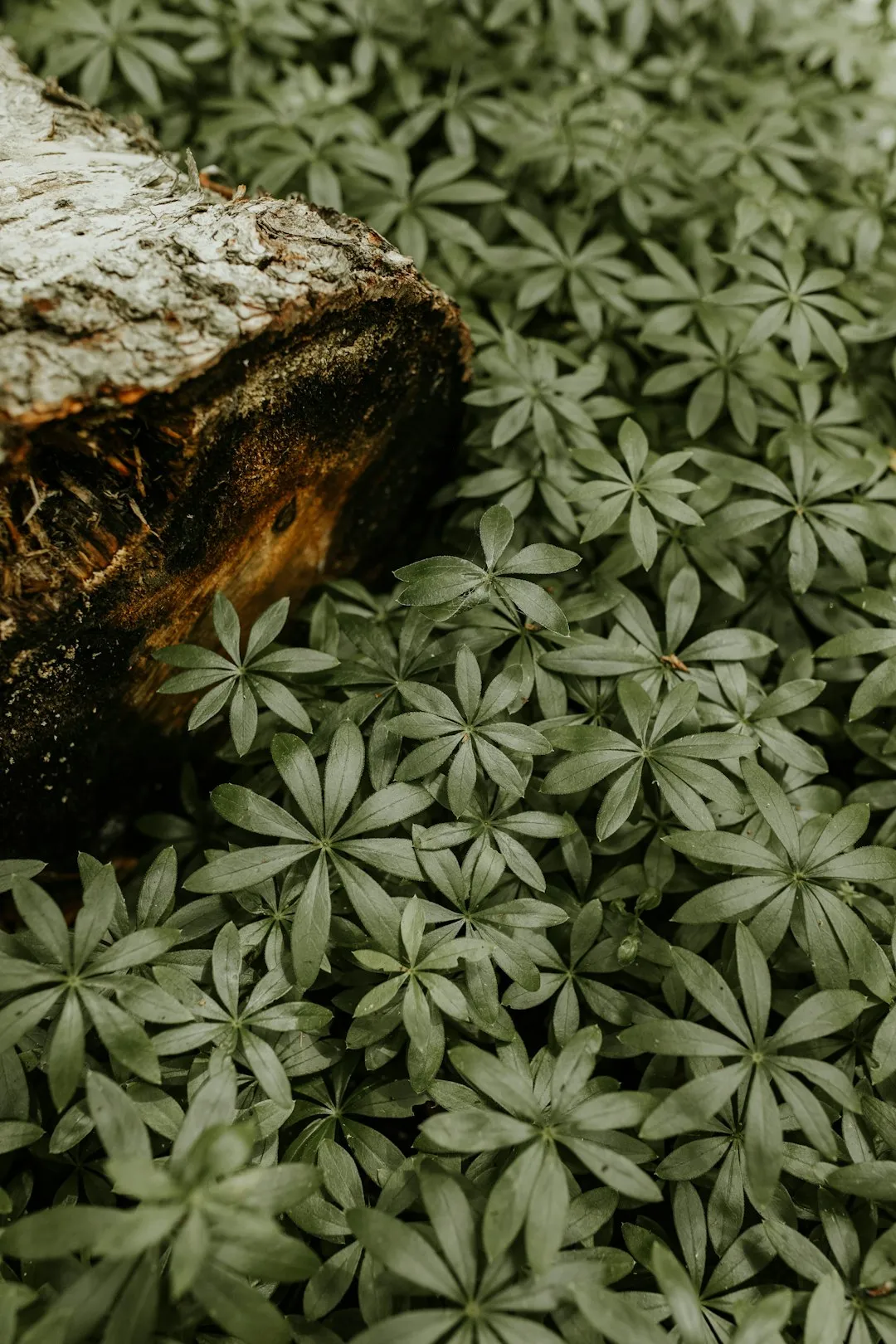
Another alternative is to use a living mulch, such as ground cover plants. Ground cover plants, such as thyme, sedum, or ajuga, can spread quickly and form a dense mat that suppresses weeds. They also add beauty and color to your garden and can attract beneficial insects.
You can also try using natural weed killers, such as vinegar or salt solutions. These solutions can be sprayed directly on weeds to kill them. However, be careful when using these solutions, as they can also harm your plants if not used properly.
In conclusion, while landscape fabric can be a useful tool in some situations, there are specific cases where it should be avoided. By understanding the potential problems associated with landscape fabric and exploring alternative weed control methods, you can create a healthier and more beautiful garden. Remember, a little bit of research and planning can go a long way in ensuring the success of your garden.
New